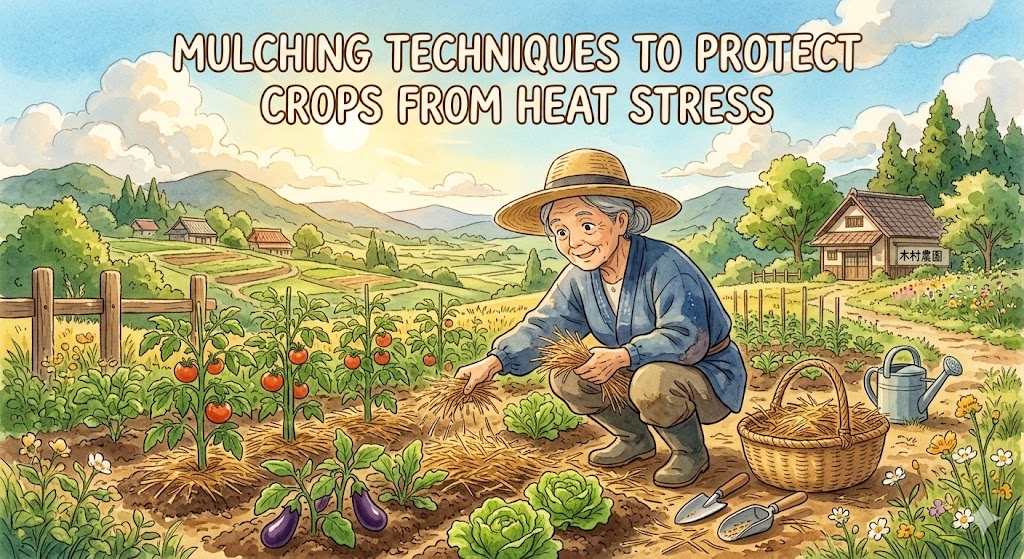
Did you know that bare agricultural soil exposed to direct summer sunlight can easily reach temperatures exceeding 140°F (60°C), literally cooking delicate plant roots alive beneath the surface?
Extreme heat stress is a silent and devastating killer in modern agriculture. When the summer sun beats down relentlessly, unprotected soil moisture evaporates into the atmosphere within hours. As the ground turns into cracked, baking clay, plant roots enter a desperate survival mode. They immediately halt all vegetative growth, drop their delicate fruit blossoms, and begin to wilt rapidly. For commercial farmers and passionate home gardeners, this creates a massive financial and emotional “Pain Point.” You are forced into an expensive, exhausting, and endless cycle of constant overwatering just to keep your struggling fields on life support.
The ultimate, nature-approved solution to this blistering problem is the strategic application of mulching techniques. By intentionally covering the bare earth with a protective, insulating layer, you can dramatically alter the microclimate of your soil, rendering the harshest heatwaves virtually harmless to your crops.
In this comprehensive guide, we will explore the core science behind agricultural mulching, break down its immense economic and environmental benefits, provide a step-by-step practical implementation guide for beginners, and discuss the technological future of climate-resilient soil protection.
Understanding Mulching Techniques: Key Concepts and Importance
At its core, mulching is the agricultural practice of covering the surface of the topsoil with a protective layer of organic or synthetic material. Long before modern irrigation systems or commercial fertilizers existed, ancient forest floors naturally mulched themselves. Layers of fallen autumn leaves, pine needles, and decaying organic matter created a perfect, sponge-like barrier that regulated the earth’s temperature and retained deep moisture year-round. Today, as global temperatures shatter historical records and summer heat domes become more frequent, replicating this natural protective barrier is no longer an optional gardening trick; it is a critical baseline for agricultural survival.
Think of bare soil under the summer sun like a steaming hot cup of coffee or an ice-cold glass of water left on a patio table. Without a lid, the extreme temperature of the environment quickly ruins the drink, and the liquid evaporates rapidly. Mulch acts exactly like a high-quality, heavy-duty thermos lid. It traps the vital, cool moisture deep inside the earth while physically blocking the external, scorching solar radiation from ever reaching the delicate root zone.
Why It Matters: The Top Benefits of Mulching for Heat Stress
Applying a high-quality soil cover does much more than just make your garden beds look tidy. It triggers a cascade of biological and financial advantages that completely transform how your crops handle extreme weather. Here is why prioritizing this technique matters:
- Extreme Temperature Regulation: A thick layer of organic mulch acts as a massive thermal shield. It can keep the underlying topsoil up to 10 to 15 degrees cooler than the exposed, baking dirt right next to it, completely preventing root shock and stress-induced blossom drop.
- Massive Water Conservation: By completely blocking direct sunlight from hitting the earth, mulch stops surface evaporation dead in its tracks. This allows commercial growers to slash their irrigation frequency by up to 50%, significantly lowering monthly utility bills and preserving local water tables.
- Aggressive Weed Suppression: Mulch starves dormant, opportunistic weed seeds of the sunlight they desperately need to germinate. Fewer weeds mean zero competition for your crops’ water and nutrients, which drastically reduces your manual labor and weeding costs.
- Continuous Soil Enrichment: Organic mulches, like clean wheat straw or shredded hardwood, slowly break down over the intense summer season. As they decompose, they constantly feed the microscopic soil biome, building rich, fertile humus for your next planting cycle.
Pro Fact: Studies in arid climates have proven that a properly mulched agricultural field retains up to 80% more moisture during a severe, multi-week heatwave compared to bare, tilled soil. This allows the covered plants to actively photosynthesize even when ambient temperatures exceed 95°F (35°C)!
How to Get Started: A Practical Guide for Beginners
Protecting your fields from the heat requires the right materials and proper application timing. Follow this 5-step actionable plan to ensure your crops are fully insulated before the next heatwave hits.
1. Select the Right Reflective Material
For extreme summer heat, you must choose light-colored organic mulches that naturally reflect solar radiation rather than absorbing it. Clean wheat straw, dried grass clippings, pine needles, and shredded light hardwood bark are phenomenal choices. Avoid heavy, dense materials that can trap heat and suffocate the soil.
2. Weed and Water Deeply First
Never apply mulch over dry, parched, or weedy soil. First, pull any existing weeds by the roots. Then, deeply and thoroughly saturate the earth with water. Mulch locks in the existing conditions of the ground beneath it, so you want to ensure you are locking in a deeply hydrated, clean environment.
3. Apply the Correct Thickness
Spread your chosen mulch evenly across the planting beds and between your crop rows. Aim for a consistent 3 to 4-inch layer. Anything thinner will allow the scorching sun to penetrate and dry the soil; anything thicker may restrict essential oxygen flow to the root system.
4. Protect the Plant Crowns
This is a critical step. As you lay the mulch down, ensure you pull the material at least 2 to 3 inches away from the main central stems or trunks of your crops. Piling wet mulch directly against the stem of a plant traps stagnant moisture against the bark and instantly invites deadly fungal rot and stem girdling.
5. Refresh and Replenish Mid-Season
Organic mulch naturally decomposes as the soil microbes consume it. Halfway through the brutal summer season, check the thickness of your protective layer. Add an extra inch or two of fresh straw to any thin, degrading spots to maintain the absolute integrity of your thermal barrier.
Beginner’s Tip: Avoid using dark-colored mulches, such as black-dyed wood chips or heavy dark compost, as your top layer during the summer. Dark colors absorb solar radiation like a magnet and can actually bake the soil, making your heat stress problem significantly worse!
To execute this properly, you will need a sturdy pitchfork, a high-capacity wheelbarrow, access to bulk clean straw or dried leaves, and a reliable drip-irrigation water source.
Overcoming Challenges and Looking into the Future
Implementing heavy mulching systems comes with a few specific hurdles that growers must manage. A common challenge when using fresh wood-based mulches is nitrogen tie-up. As raw wood chips begin to break down, they temporarily pull vital nitrogen out of the topsoil to aid in their decomposition, which can cause your crop leaves to turn pale yellow. You can easily solve this by lightly sprinkling a nitrogen-rich organic fertilizer (like blood meal or pelleted poultry manure) onto the soil directly before laying down the wood mulch.
Another hurdle is pest harboring. A thick, cool layer of mulch can sometimes become a cozy summer hideout for slugs, snails, or field mice. Managing this involves spacing your plants correctly to ensure adequate wind airflow and utilizing organic, pet-safe slug baits if populations begin to spike.
Looking to the future, the agricultural industry is revolutionizing how we protect the soil on a massive commercial scale. We are seeing a major global shift towards biodegradable agricultural films. Instead of pulling up miles of standard black plastic at the end of the year, farmers are using high-tech films made from plant starches that reflect UV rays, cool the earth, and then melt harmlessly into the soil as organic matter by autumn. Additionally, the use of drone-assisted “living mulch” seeding allows commercial farmers to precisely plant low-growing, heat-tolerant ground covers (like white clover) directly between their main cash crops, creating a permanent, living thermal shield.
Conclusion
Protecting your valuable crops from severe heat stress does not require complex machinery, massive water budgets, or expensive chemical interventions. By understanding the thermal dynamics of the earth, leveraging the incredible water-saving benefits of soil covers, and following a strict, step-by-step application plan, you can shield your harvest from the most brutal summer sun.
Your Next Step: Walk your garden or farm today and identify the driest, most sun-baked patch of soil on your property. Purchase a single bale of clean wheat straw and thoroughly mulch just that one specific area this weekend to witness the miraculous difference in moisture retention for yourself.
Don’t let the scorching summer cook your hard work and steal your profits—cover up your soil, lock in the vital moisture, and watch your resilient crops thrive through the heat!
Frequently Asked Questions (FAQs)
1. Can I use fresh grass clippings directly from my lawnmower as mulch? You should never use thick layers of fresh, wet grass clippings. They will immediately mat together, creating a slimy, anaerobic barrier that blocks water and oxygen from reaching the soil, and they can generate immense heat as they rot. Always spread your clippings out in the sun to dry completely into “hay” before using them as summer mulch.
2. Is standard black plastic mulch good for extreme summer heat? Absolutely not. While black plastic is fantastic in the early spring for warming up cold soil, leaving it on during a summer heatwave will literally cook your plant roots. If you must use plastic in the summer, utilize white or silver reflective agricultural plastics that bounce the sun’s rays away.
3. Does using wood mulch attract destructive termites to my farm? Termites are generally attracted to large, solid pieces of decaying wood (like old stumps or housing frames) rather than thinly spread, shredded mulch that dries out frequently. However, to be perfectly safe, always keep wood-based mulches at least six inches away from the physical foundation of your home or wooden barns.
4. How often should I water a heavily mulched garden during a heatwave? Because mulch stops surface evaporation, you will need to water far less often. Instead of a quick daily sprinkle, switch to a deep, heavy soaking every 3 to 4 days. Always use your finger or a moisture meter to check the soil beneath the mulch before turning the water on; if it feels damp two inches down, do not water.