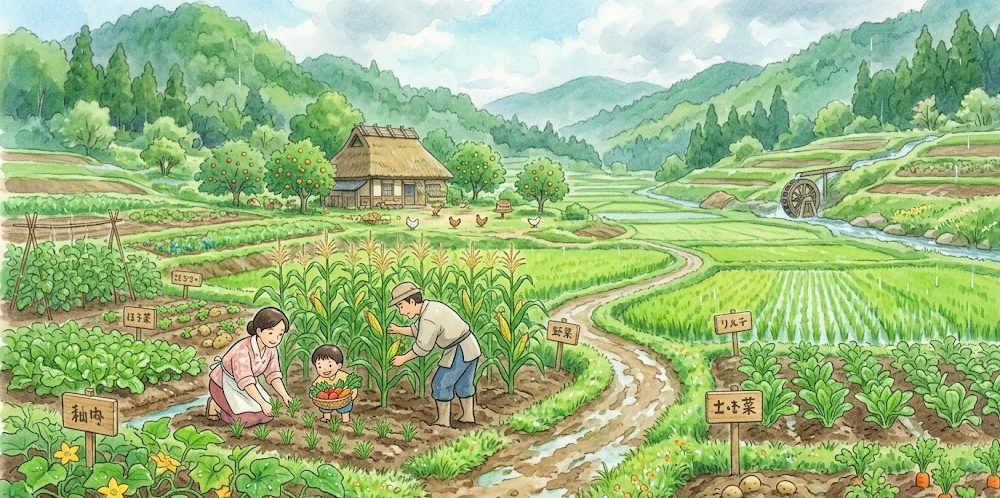
The arrival of the monsoon is a turning point for farmers across the globe. After the scorching heat of summer, the rains bring life back to the soil, replenishing groundwater and providing the essential hydration needed for a lush harvest. However, rainy season farming—often called Kharif farming in many regions—comes with its own set of unique challenges.
Excessive moisture, high humidity, and limited sunlight can lead to waterlogging, fungal diseases, and pest infestations. To maximize your harvest, you must select crops that are naturally resilient to heavy rainfall and high humidity.
Here is your definitive guide to the best crops for the rainy season and how to manage them for maximum productivity.
1. Rice (Paddy): The King of the Monsoon
Rice is the quintessential rainy season crop. It is a “water-thirsty” plant that thrives in flooded or semi-flooded conditions, making it the perfect choice for the monsoon months.
Why it Thrives:
- Water Tolerance: Most rice varieties require standing water during their early growth stages, which the monsoon provides naturally.
- Humidity: The high humidity during the rainy season promotes the rapid vegetative growth of paddy.
Management Tip:
Ensure proper drainage systems are in place. While rice loves water, stagnant water that is “dead” (not flowing or being refreshed) can sometimes lead to root rot in specific high-yield hybrid varieties.
2. Maize (Corn): The Versatile Performer
Maize is one of the most versatile crops to grow during the rains. It is highly efficient at converting sunlight and water into biomass, and it can be harvested for grain, fodder, or sweet corn.
Why it Thrives:
- Fast Growth: Maize grows quickly, allowing it to establish a strong root system before the heaviest rains arrive.
- Drainage Resilience: As long as the soil is well-drained, maize can handle heavy downpours with ease.
Management Tip:
Maize is highly sensitive to waterlogging. Always plant maize on raised beds or ridges to ensure that the “feet” of the plant aren’t sitting in water for extended periods.
3. Soybeans: The Nitrogen Fixer
Soybeans are an excellent choice for farmers looking to scale their productivity while maintaining soil health. As a legume, soybeans fix nitrogen in the soil, reducing the need for synthetic fertilizers for the next crop cycle.
Why it Thrives:
- Moisture Loving: Soybeans require significant moisture during the germination and flowering stages, which aligns perfectly with the monsoon schedule.
- Short Duration: Many varieties can be harvested within 90 to 110 days, allowing for a quick turnover.
Management Tip:
Watch out for “Yellow Mosaic Virus,” which can spread in humid conditions. Choose resistant varieties and ensure your seeds are treated with bio-fungicides before sowing.
4. Ginger and Turmeric: The High-Value Spices
If you are looking for high-profit margins, ginger and turmeric are the “Gold” of the rainy season. These crops stay in the ground for a long time and love the humid, tropical environment.
Why They Thrive:
- Shade Tolerance: These crops can grow under partial shade, which is helpful during the cloudy days of the monsoon.
- Rhizome Growth: The consistent moisture of the rainy season allows the underground rhizomes to expand and gain weight.
Management Tip:
These are highly susceptible to “Rhizome Rot” if the water stays stagnant. Planting them on steep ridges is mandatory for a successful harvest.
5. Green Chillies and Peppers
While many vegetables struggle in the rain, chillies are remarkably hardy. They are a staple in markets year-round, ensuring a steady cash flow for the farmer.
Why They Thrive:
- Heat & Moisture: Chillies thrive in the warm, humid transition between summer and rain.
- Continuous Harvest: You can pick chillies multiple times throughout the season, providing a regular income.
Management Tip:
Humidity can lead to “Leaf Curl” or fungal spots. Use organic neem oil sprays or copper-based fungicides to keep the foliage healthy during the peak monsoon.
6. Pulses (Pigeon Pea, Black Gram, Green Gram)
Pulses are the backbone of sustainable agriculture. They require less intervention than cereal crops and are vital for food security.
Why They Thrive:
- Low Water Requirement: While they grow during the rains, pulses like Pigeon Pea (Arhar) are drought-tolerant once established, making them safe if the rains are inconsistent.
- Soil Health: They improve soil structure and fertility for the following winter (Rabi) season.
Best Vegetables for Monsoon Kitchen Gardens
If you are doing small-scale or terrace farming, focus on these “climbing” vegetables. Because they grow on trellises, the fruit stays off the wet ground, preventing rot.
- Cucumber: Grows rapidly and loves the humidity.
- Bitter Gourd: Naturally pest-resistant and thrives in wet weather.
- Bottle Gourd & Ridge Gourd: Extremely high-yielding during the monsoon.
- Okra (Ladyfinger): Very easy to grow and can handle heavy rains if the soil is well-drained.
Critical Management Strategies for Monsoon Success
Scaling your productivity during the rains requires more than just the right seeds; it requires the right water-tech mindset.
| Challenge | Solution Strategy |
|---|---|
| Waterlogging | Implement Raised Bed Farming and clear all drainage channels before the first rain. |
| Fungal Disease | Increase spacing between plants to allow for better air circulation and use bio-fungicides like Trichoderma. |
| Soil Erosion | Use Cover Crops or mulching to prevent the heavy rain from washing away the fertile topsoil. |
| Nutrient Leaching | Apply fertilizers in multiple small doses (Split Application) rather than one large dose, as rain can wash nutrients away. |
Export to Sheets
5 Pro-Tips for a High-Yield Monsoon
- Seed Treatment: Always treat your seeds with fungicides before planting. Fungal spores thrive in the wet monsoon soil and can kill seedlings before they even emerge.
- Raised Bed Planting: This is the #1 secret for rainy season success. It ensures that the root zone remains aerated even during a deluge.
- Timely Weeding: Weeds grow faster than crops during the monsoon. Remove them early, or they will steal all the nutrients and sunlight from your plants.
- Monitor Soil pH: Heavy rains can sometimes increase soil acidity. Test your soil and add lime if necessary to maintain a neutral balance.
- Pest Scouting: High humidity is the “Golden Era” for slugs, snails, and caterpillars. Inspect your fields daily to catch infestations early.
Final Thoughts: Turning Rain into Revenue
The rainy season is a period of immense potential. By choosing resilient crops like Rice, Maize, and Spices, and implementing smart management techniques like raised beds and proper drainage, you can turn a challenging season into your most productive time of the year.
Modern farming is about working with nature, not against it. Use the monsoon’s gift of water to your advantage, protect your soil from erosion, and watch your farm’s productivity scale to new heights.
“The farmer who waits for the perfect weather never plants; the successful farmer learns to plant in the rain.”