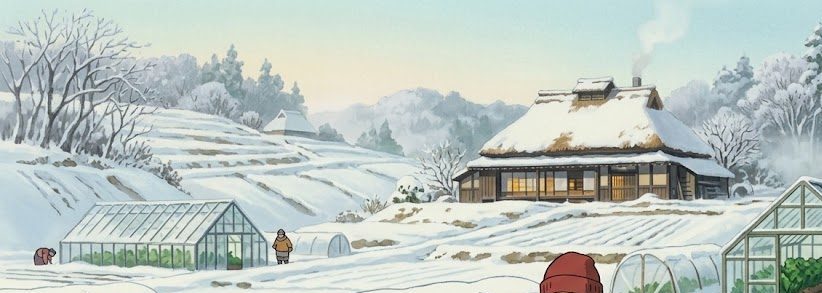
In the traditional agricultural calendar, the “Almanac” was a book of whispers—predictions based on folklore and lunar cycles. Today, the Smart Farmer’s Almanac has been rewritten. It is now a digital, data-driven strategy that replaces guesswork with Climate Intelligence.
To achieve maximum yields in the modern era, a farmer must master the duality of the seasons. Summer and Winter are no longer just periods of heat and cold; they are distinct biological windows that require specialized logic, precision technology, and adaptive management.
1. The Core of Climate Intelligence
Climate-intelligent farming is the practice of using real-time environmental data to synchronize agricultural actions with atmospheric reality. It involves three main pillars:
- Predictive Analytics: Using historical and satellite data to anticipate “freak” weather events.
- Dynamic Resource Allocation: Adjusting water and nutrient flow based on transpiration rates rather than a calendar.
- Phenological Awareness: Timing the life cycle of the crop (flowering, fruiting) to match the most favorable climatic “pockets.”
2. Summer Cultivation: Managing Heat Stress and Water Velocity
Summer is the season of high energy, but it is also the season of maximum stress. The “Smart” approach to summer is centered on Thermal Regulation and Water Efficiency.
A. Strategic Shading and Micro-Climates
In high-heat environments, direct sunlight can often exceed a plant’s light saturation point, leading to “photo-inhibition” where growth actually stops.
- The Smart Move: Use smart-automated shade nets. These nets can be deployed during the peak UV hours (11 AM – 3 PM) to drop the ambient temperature by 5°C to 10°C, keeping the plants in their optimal growth zone.
B. Evapotranspiration (ET) Management
During summer, plants lose water at an incredible rate. Traditional irrigation often leads to surface evaporation before the roots can even drink.
- The Smart Move: Implement Sub-Surface Drip Irrigation (SDI). By delivering water directly to the root zone 6 inches underground, you eliminate surface evaporation. When coupled with soil moisture sensors, the system only activates when the plant actually “asks” for water, saving up to 40% more water than standard drip systems.
C. Heat-Tolerant Specialized Crops
Maximize summer profits by selecting “Heat-Seekers” that thrive when others wither:
- Exotic Melons: High sugar content develops best in high-heat, low-humidity windows.
- Okra and Peppers: These crops have high thermal thresholds and consistent market demand during the summer months.
3. Winter Cultivation: Harvesting the Cold and Protecting the Roots
Winter presents a different set of challenges: low light, frost risk, and dormant soil biology. The Smart Almanac views winter as a season of Protection and Preparation.
A. The “Thermal Battery” Effect
In winter farming, the goal is to trap the heat of the day to survive the night.
- The Smart Move: Use High Tunnels with Thermal Mass. By placing black water barrels inside a greenhouse, the water absorbs solar heat during the day and radiates it back into the structure at night, preventing frost without the need for expensive electric heaters.
B. Low-Light Optimization
Photosynthesis slows down significantly in winter.
- The Smart Move: Supplement with “Top-Up” LED lighting during the twilight hours. Modern “Smart” LEDs can sense the natural light levels and only turn on when the sun dips below a certain intensity, ensuring the crop maintains a 12-to-14-hour growth cycle even in the dead of winter.
C. Winter “Sweeteners”
Many cold-hardy crops, like kale, carrots, and spinach, actually taste better after a frost. This is because the plant converts starches into sugars to act as a natural “anti-freeze.”
- The Smart Move: Market these as “Frost-Kissed” premiums. The high sugar content makes them a favorite for health-conscious urban consumers and high-end chefs.
4. Year-Round Soil Science: The Invisible Almanac
The soil doesn’t sleep, even if the crops do. Smart farmers manage their soil chemistry differently across the seasons.
| Feature | Summer Management | Winter Management |
|---|---|---|
| Mulching | Heavy straw mulch to keep roots cool and retain moisture. | Black plastic mulch to absorb solar heat and warm the soil. |
| Microbial Activity | High; requires frequent “feeding” with organic matter. | Low; requires “bio-stimulants” to keep the root zone active. |
| Fertilization | Liquid-based “fertigation” for rapid uptake. | Slow-release granular compost to build long-term structure. |
Export to Sheets
5. The Role of the “Smart Hub” in Seasonal Planning
A true Climate-Intelligent farm is managed via a central digital dashboard. This hub acts as the modern “Almanac.”
- GDD Tracking: The Hub tracks Growing Degree Days (GDD). Instead of saying “this corn takes 90 days,” the Hub says “this corn needs 1,200 heat units.” This allows for a perfect harvest date prediction regardless of whether the season was unusually hot or cold.
- Frost Alerts: Automated SMS alerts trigger “Emergency Measures”—such as activating misting systems that create a thin layer of protective ice over delicate buds, which ironically protects the plant from freezing solid (the Latent Heat of Fusion).
- Market Integration: The Almanac also tracks price trends. If the data shows a shortage of winter tomatoes due to a regional cold snap, the Smart Farmer can accelerate their greenhouse production to hit that high-price window.
6. Risk Management: The “Stealth” Strategy
Climate intelligence is also about knowing when not to plant.
- The “Gap” Strategy: If the Hub predicts an El Niño or La Niña year with 80% certainty, the smart farmer might choose to leave a portion of the land fallow or plant a highly resilient cover crop instead of risking an expensive cash crop. This preservation of capital is just as important as the maximization of yield.
7. Sustainability: The Permanent Almanac
The ultimate goal of the Smart Farmer’s Almanac is to ensure that the farm is still productive fifty years from now.
- Carbon Sequestration: By using cover crops in the winter and no-till practices in the summer, the farm pulls carbon out of the atmosphere and stores it in the soil.
- Biodiversity: The Almanac encourages “companion planting” across seasons (e.g., planting marigolds in summer to deter pests and nitrogen-fixing clover in winter).
Conclusion: The Logic of the New Era
The Smart Farmer’s Almanac proves that we are no longer at the mercy of the elements. By integrating Climate Intelligence into our summer and winter cultivation strategies, we transform the farm into a resilient, high-output system.
We don’t just “hope” for rain or “pray” for a mild winter. We measure, we predict, and we adapt. The logic is clear: the most successful farmers of the future will be those who can read the data as well as they can read the land.
Final Takeaway: Summer is for velocity; Winter is for resilience. Mastering both through the lens of technology is the only way to maximize the true potential of your land.