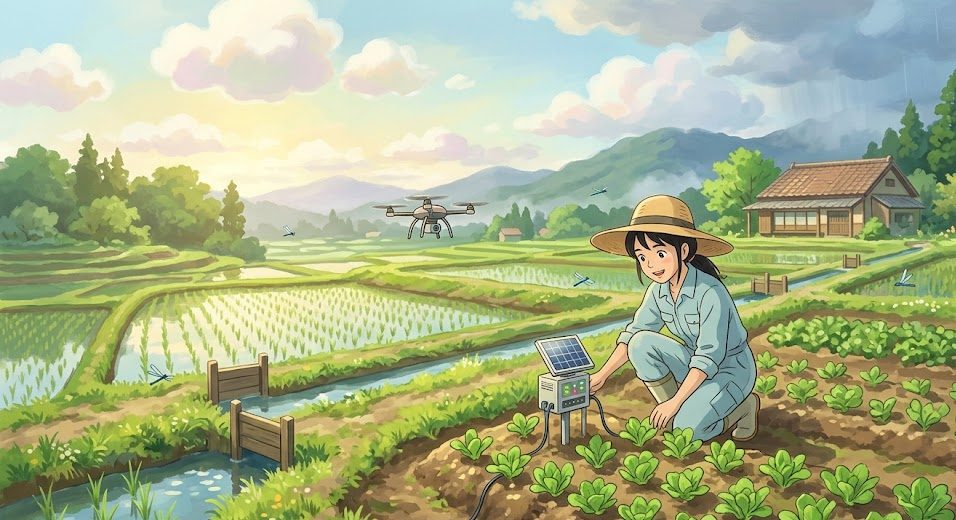
The definition of a “successful farm” has shifted from vast acres of land to high-efficiency, integrated ecosystems. In the modern era, sustainability is the key to profitability. By mastering three distinct yet complementary fields—Hydroponics, Mushroom Farming, and Beekeeping—farmers can create a diversified income stream while actively regenerating the environment.
This guide explores how these three pillars of sustainable agriculture work together to boost yields and promote a healthier planet.
1. Modern Hydroponics: Farming Without Soil
Hydroponics is the practice of growing plants in a nutrient-rich water solution. It is the cornerstone of urban and smart farming because it allows for year-round production with minimal resource consumption.
The Core Systems
To master hydroponics, you must choose the system that fits your crop:
- Deep Water Culture (DWC): Best for leafy greens like lettuce. Plants float on rafts with roots submerged in oxygenated water.
- Nutrient Film Technique (NFT): A constant thin film of nutrient solution flows over the roots. Ideal for strawberries and herbs.
- Dutch Bucket System: Designed for larger plants like tomatoes and cucumbers that require more root support.
Efficiency and Resilience
Hydroponics uses up to 90% less water than traditional soil farming. Since the system is usually indoors or in a controlled greenhouse, it is immune to soil-borne diseases and external climate shocks. For a digital entrepreneur, this means a predictable “factory-like” output of high-quality produce.
2. Mushroom Farming: Turning Waste into Wealth
Mushroom cultivation is the ultimate recycling act. Mushrooms are fungi that grow on organic waste (substrate) like straw, sawdust, or even coffee grounds, turning low-value materials into a high-protein superfood.
Why Mushrooms Fit Sustainability
- Vertical Space Utilization: Mushrooms grow in bags or trays stacked vertically, making them perfect for small-scale entrepreneurs.
- Low Energy Requirements: Unlike most crops, mushrooms thrive in dark, humid environments, reducing the need for expensive lighting systems.
- Substrate Recycling: Once the mushrooms are harvested, the leftover “spent mushroom substrate” (SMS) becomes a world-class organic fertilizer for your other crops.
High-Demand Varieties
To succeed in the market, focus on varieties like Oyster mushrooms (easiest for beginners), Shiitake (high market value), and Lion’s Mane (popular in the health and wellness niche).
3. Beekeeping (Apiculture): The Silent Engine of Growth
Beekeeping is often the “missing link” in sustainable farming. While mushrooms and hydroponic greens don’t always require bees, beekeeping provides a secondary income and protects local biodiversity.
The Role of Pollinators
Bees are responsible for pollinating one-third of the food we eat. Even in a modern farm setup, having a beehive nearby increases the yields of surrounding fruit and vegetable crops by up to 30%.
Products Beyond Honey
A master beekeeper doesn’t just sell honey; they tap into high-margin products like:
- Beeswax: Used in cosmetics and eco-friendly candles.
- Propolis: A natural antibiotic sold in health stores.
- Royal Jelly: A premium supplement that commands a high price point.
- Pollination Services: Renting out hives to nearby farms for their flowering seasons.
4. The Synergy: How They Work Together
The true magic happens when you integrate these three systems into a single “Smart Farm” loop.
- Waste to Growth: The carbon dioxide ($CO_2$) exhaled by mushrooms can be piped into a hydroponic greenhouse to speed up plant photosynthesis.
- Nutrient Cycling: Spent mushroom substrate can be composted and the liquid extract (compost tea) can be filtered and used as a natural supplement in hydroponic reservoirs.
- Climate Control: Beekeeping requires flowering plants; a hydroponic setup can provide year-round forage for bees in a controlled environment, ensuring the colony survives even in harsh winters.
5. Technical Mastery and Monitoring
To maintain these systems at a professional level, data is your best friend. This is where “Smart Farming” innovations come into play.
- Automation: Use sensors to monitor the pH of your hydroponic water, the humidity of your mushroom grow room, and the internal temperature of your beehives.
- Pest Management: In a sustainable setup, chemical pesticides are forbidden. Instead, use “Beneficial Insects” and essential oil sprays that are safe for your bees and mushrooms.
- Logistics: Because these products (fresh greens, mushrooms, and raw honey) are perishable, having a “Direct-to-Consumer” digital platform is essential for maximizing profit.
6. The Economic Outlook (ROI)
For an entrepreneur like Yagnik, the numbers are encouraging. While the setup cost for a high-tech hydroponic system is higher than traditional farming, the turnover is much faster.
| Component | Harvest Cycle | Market Demand |
| Hydroponics | 25-45 Days | Very High (Urban Centers) |
| Mushrooms | 20-30 Days | High (Restaurants/Health) |
| Beekeeping | Seasonal (1-2 per yr) | Consistent (Global) |
7. Conclusion: Building a Legacy
Sustainable agriculture is about more than just food; it is about building a system that can last for generations. By mastering Hydroponics, Mushroom Farming, and Beekeeping, you are creating a diversified business model that is resilient to climate change and market fluctuations.
This holistic approach is the future of farming—clean, tech-driven, and deeply connected to the natural world.