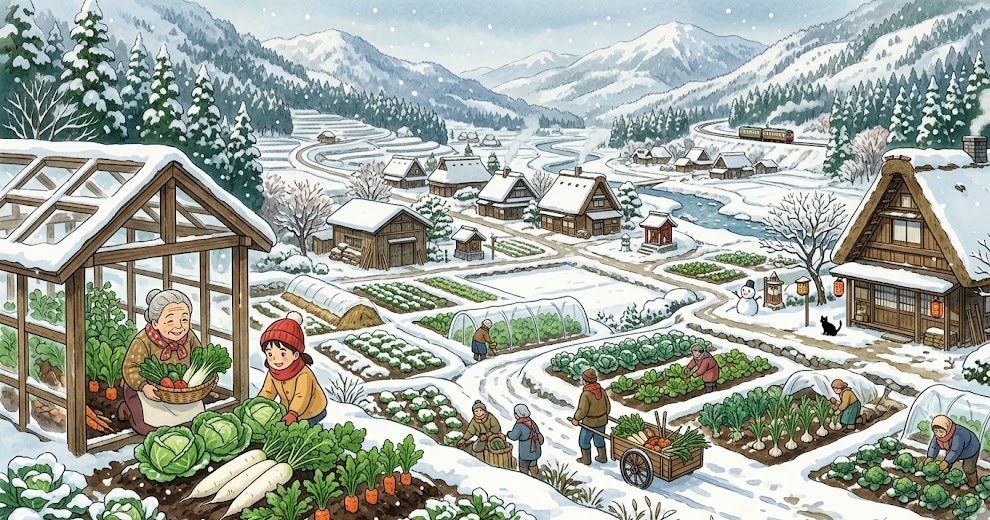
Introduction: The Winter Agronomy Frontier
For generations, traditional agriculture treated the onset of winter as a period of forced dormancy. As temperatures plummeted and frost set in, fields were left bare, causing agricultural income streams to freeze alongside the soil. However, the modern agricultural landscape demands year-round productivity. Driven by shifting consumer preferences for fresh local produce in all seasons and the necessity for consistent farm cash flow, winter farming has emerged as a highly profitable agronomic frontier.
Successful cold-weather cultivation requires moving away from the paradigm of fighting the elements to understanding the biology of cold-tolerant crops and soil thermal dynamics. By implementing structured protective shields, managing sub-surface moisture with precision, and selecting specialized cold-hardy genetics, growers can run highly productive winter operations. This comprehensive guide outlines the operational blueprints and practices required to establish a high-yield winter farming enterprise.
1. Thermal Microclimates: Engineering the Winter Shield
The primary challenge of winter farming is not the ambient cold air itself, but the sudden, sharp fluctuations in temperature that cause frost damage to plant tissues. Building a successful cold-weather operation relies on creating localized thermal shields to trap ground heat.
High and Low Tunnel Infrastructure
Passive solar structures are the most cost-effective tool for winter season extension. High tunnels (unheated hoophouses) act as a structural buffer, absorbing solar radiation during the day and preventing it from radiating back into the atmosphere at night. Inside a well-designed high tunnel, the microclimate can remain 4°C to 7°C warmer than the outside air.
For extreme cold snaps, growers deploy double-layer protection by installing low tunnels (miniature hoops covered with floating row covers) directly over the crop beds inside the high tunnel. This nested framework traps a insulating layer of dead air, protecting delicate foliage from freezing winds and heavy frost blankets.
Thermal Mass Water Barrels
A highly effective, zero-energy method to stabilize indoor tunnel temperatures involves utilizing water as a thermal battery. Large, dark-colored plastic barrels filled with water are stacked along the northern wall of the greenhouse or high tunnel. During peak sunlight hours, these water masses absorb solar heat energy. At night, as ambient temperatures drop, the water slowly releases this stored heat back into the structure, keeping the surrounding air temperature above critical freezing thresholds.
+------------------------------------------------------------------------+
|                       THE WINTER MICROCLIMATE SHIELD                   |
+------------------------------------+-----------------------------------+
| 1. Double-Layer Insulation         | 2. Passive Thermal Batteries      |
| - High tunnel exterior structures  | - Dark water mass storage units   |
| - Interior low tunnel row covers   | - Multi-point solar heat release  |
+------------------------------------+-----------------------------------+
| 3. Sub-Surface Management          | 4. Biotic Frost Defense           |
| - High-biomass straw mulching      | - High-brix sugar monitoring      |
| - Targeted dormant-stage drainage  | - Microbial soil heat activation  |
+------------------------------------+-----------------------------------+
2. High-Yield Cold-Hardy Crop Selection
Not all crops can withstand sub-zero temperatures. Winter farming success depends entirely on selecting species that have evolved natural physiological mechanisms—such as concentrating internal sugars—to survive freeze-thaw cycles.
- Kale and Collard Greens: These cruciferous vegetables are the undisputed champions of winter cultivation. Exposure to frost triggers a natural defense mechanism where the plant converts its stored starches into sugars to act as an internal antifreeze. This physiological shift not only preserves the leaves but significantly enhances the sweetness and texture of the harvest, commanding premium market prices.
- Winter Spinach (Spinacia oleracea): Spinach is exceptionally cold-hardy, capable of surviving temperatures as low as -10°C when established correctly. Winter-grown spinach develops thicker, crisper leaves with elevated nutrient profiles, making it a highly sought-after commodity for high-end winter culinary markets.
- Root Vegetables (Carrots, Parsnips, Radishes): When protected by a thick layer of mulch, root crops can be stored directly in the frozen ground and harvested throughout the winter months. Freezing temperatures cause the starches in carrots to convert to sugars, turning a standard crop into an ultra-sweet “candy carrot” specialty product.
- Garlic and Shallots: Planted in late autumn, these alliums use the winter period to undergo vernalization—a cold-exposure process necessary for the bulbs to split into distinct, high-yield cloves the following spring.
3. Soil and Moisture Management in Cold Ecosystems
Managing water and soil biological activity during cold months requires completely different protocols than warm-season farming. Mistaking winter moisture needs can result in root rot or systemic crop failure.
Precision Winter Hydrology
While plants transpire significantly less water in winter due to lower evaporation rates, moisture management remains critical. Dry soil loses heat far faster than moist soil because water has a high specific heat capacity. Growers must keep soil evenly damp—but never saturated.
Irrigation should be executed exclusively during the warmest part of the day (late morning) using drip lines. This timing ensures that water sinks into the root zone and excess moisture evaporates from the plant surfaces before evening temperatures plummet, preventing ice crystals from forming on the root base or lower stalks.
Organic Insulating Mulches
Applying a thick, loose layer of organic mulch—such as clean straw, shredded leaves, or wood chips—acts as a physical blanket for the soil matrix. A 10 to 15 cm mulch layer stabilizes sub-surface ground temperatures, keeping the root zone from freezing solid even when the top foliage is exposed to frost. Furthermore, as this organic matter slowly decomposes at the soil interface, microscopic biological activity releases small amounts of metabolic heat, warming the root zone from underneath.
4. Maximizing Winter Feed Conversion & Biological Brix Tech
To maximize yield efficiency during low-light winter months, progressive growers focus on optimizing the plant’s internal biological efficiency.
Monitoring and Elevating Brix Levels
Brix is a measurement of the sugar content in a plant’s sap. Plants with high Brix levels possess a significantly lower freezing point, making them highly resistant to frost damage.
Growers use handheld refractometers to monitor sap quality regularly. If Brix levels are low, targeted foliar applications of liquid seaweed, humic acids, or trace minerals are sprayed on the leaves during sunny hours. This input stimulates immediate photosynthetic activity, boosting sugar production and fortifying the crop against sudden nighttime temperature drops.
Dormant-Phase Crop Rotation
Winter farming should not push the land to exhaustion. Integrating cold-tolerant green manures like winter rye or Austrian winter peas into the cropping sequence protects bare plots from soil erosion caused by winter snow melt. These crops quietly stabilize nitrogen levels underneath the snow, ensuring that when spring arrives, the soil matrix is organically charged, highly fertile, and structurally prepared for the high-intensity summer crops ahead.
Conclusion: Activating the Winter Revenue Loop
Transitioning to cold-weather cultivation demands a deep understanding of microclimate engineering and cold-tolerant plant biology. Winter farming is not about fighting the cold; it is about creating strategic, multi-layered microclimates that allow nature’s internal defenses to thrive.
By combining high-tunnel passive solar protection, insulating organic mulches, precision winter drip hydrology, and frost-sweetened crop varieties, growers can establish a highly dependable, year-round production loop. This methodology eliminates seasonal income drops, keeps market supply chains continuous, and maximizes the long-term financial return of your agricultural land. Ultimately, activating this winter cultivation blueprint ensures that your farm enterprise remains profoundly resilient, environmentally balanced, and highly profitable through every season of the year.