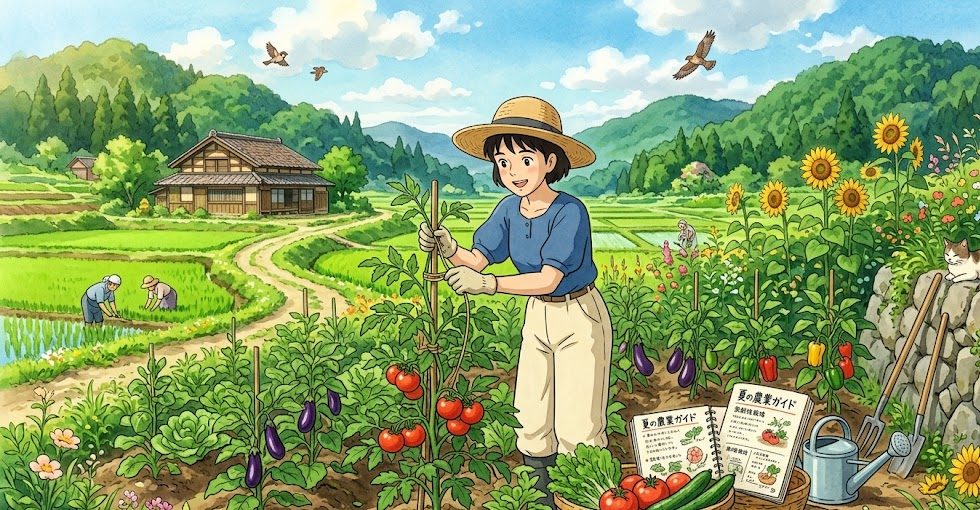
Summer is a season of incredible energy, long daylight hours, and rapid plant growth. For many growers, it represents the peak of the agricultural calendar. However, the mid-summer months also bring serious challenges. Scorching heatwaves, drying winds, and prolonged droughts can quickly put your crops under intense stress, turning a promising season into a struggle for survival.
To run a successful farm or homestead when the thermometer spikes, you have to adapt. Traditional planting schedules and standard watering routines simply won’t cut it when the ground is baking. Success during the hottest months comes down to choosing the right plant genetics and using smart, resource-saving protective strategies.
This practical summer farming guide breaks down beginner-friendly strategies to keep your soil damp, protect your plants from sunburn, and introduce heat-tolerant crops that thrive when other varieties wither.
Understanding Heat Stress in Plants
Just like humans, plants can get overwhelmed by extreme heat. When temperatures climb past a certain threshold, a plant’s internal systems begin to slow down to conserve moisture.
During a heatwave, crops lose water rapidly through their leaves in a process called transpiration. If the roots cannot pull moisture from the dirt fast enough to replace what is lost, the plant experiences heat stress. This shows up as wilting leaves, dropped blossoms, poor pollination, and sunscalded fruit. By shifting your focus to heat-tolerant cultivation, you give your farm an insurance policy against harsh seasonal shifts.
1. Top Heat-Tolerant Crops to Plant This Summer
The absolute easiest way to secure a summer harvest is to work with nature rather than fighting it. Swap out delicate, cool-season leafy greens for rugged, sun-loving crops that naturally handle high temperatures with ease.
High-Yield Summer Vegetables
- Okra: Okra is an absolute champion of the summer garden. It features a deep taproot that reaches moisture hidden far below the surface, allowing it to produce abundant green pods even during dry spells.
- Sweet Potatoes: Unlike regular potatoes, which prefer cool soil, sweet potatoes require long, hot summer days to develop their sweet, starchy tubers. Their dense, vine-like leaves also spread across the ground, acting as a living mulch that keeps the soil cool.
- Peppers and Eggplants: Members of the nightshade family love the sun. While heavy tomatoes might split or drop flowers in extreme heat, hot peppers, bell peppers, and eggplants will keep growing vigorously as long as they get consistent root moisture.
Summer Legumes and Grains
If you want to maintain your soil fertility while generating cash flow, look to cowpeas (black-eyed peas) and amaranth. Cowpeas are exceptional drought-hardy legumes that naturally fix nitrogen into the soil. Amaranth is an ancient grain with striking red or green seed heads that tolerates poor soil conditions and minimal rainfall while providing nutrient-dense grains and edible leaves.
2. Smart Irrigation and Moisture Retention Strategies
When farming in the summer, how and when you water your crops is just as vital as how much water you use. Pouring water over fields in the middle of a hot afternoon is wasteful, as a huge percentage evaporates into the air before ever touching a plant root.
+-------------------+---------------------------------------------------+
| Summer Watering   | Why It Works                                      |
+-------------------+---------------------------------------------------+
| Early Morning     | Allows leaves to dry, preventing fungal diseases.  |
| Drip Lines        | Delivers water straight to roots, avoiding waste. |
| Thick Mulching    | Blocks direct sun, cutting evaporation by 50%.   |
+-------------------+---------------------------------------------------+
The Magic of Deep Mulching
Never leave your summer soil naked and exposed to the harsh sun. Covering your crop beds with a 3-to-4-inch layer of organic mulch—such as clean wheat straw, shredded leaves, or wood chips—completely transforms your farm’s efficiency. Mulch acts like a protective blanket. It blocks direct sunlight, drops soil temperatures by several degrees, prevents weed growth, and seals in moisture so you can water your crops less frequently.
3. Protective Systems: Shade Cloths and Micro-Climates
Sometimes, providing water isn’t enough to save delicate crops from intense afternoon ultraviolet (UV) rays. That is where physical infrastructure comes into play.
Using Shade Cloths Efficiently
Temporary shade structures are a lifesaver for summer farming. Suspended over your crop rows on simple metal hoops or wooden stakes, a 30% to 50% shade cloth filters out the harshest midday glare without blocking the air exchange. This minor reduction in light intensity is often exactly what tomatoes, peppers, and summer lettuces need to prevent flower drop and keep producing premium fruit.
Creating Windbreaks
Hot summer winds act like a giant hair dryer, stripping moisture from your fields at an alarming rate. Planting tall, structural plants—like sunflowers, sorghum, or native shrubs—along the windward borders of your fields creates a natural shield. These windbreaks slow down the drying air, creating a calmer, more humid micro-climate for your main production zones.
Practical Tips for Managing Summer Farm Labor
Summer farming isn’t just tough on your plants; it is equally exhausting for you and your workers. To keep your operation safe and productive, shift your manual labor schedules completely.
Handle heavy physical tasks—like harvesting, weeding, and setting up irrigation lines—between 5:00 AM and 9:00 AM, or late in the evening after the sun begins to set. Take a long break during the intense midday heat to clean tools, pack produce in a shaded cooler, or handle your digital marketing and farm bookkeeping in an air-conditioned office.
Conclusion
Summer farming doesn’t have to be a stressful battle against the elements. By studying practical summer farming guides, adjusting your plant selections to include rugged, heat-tolerant varieties, and protecting your precious soil moisture with thick organic mulches and shade cloth networks, you can build a highly resilient agricultural ecosystem. Approach the hot season with a clear plan, protect your resources wisely, and enjoy a highly profitable summer harvest.
Frequently Asked Questions (FAQs)
1. Why do my tomato plants stop setting fruit in the middle of summer?
When daytime temperatures consistently rise above 95°F (35°C) and nighttime temperatures stay above 75°F (24°C), tomato pollen becomes sterile. The flowers will fall off the plant without developing into fruit. Providing a 30% shade cloth can lower temperatures just enough to keep pollination active.
2. Can I grow lettuce or spinach during the summer?
Traditional lettuce and spinach will rapidly bolt (go to seed) and turn bitter in the summer. However, you can grow heat-tolerant alternatives like Malabar spinach, New Zealand spinach, or specific bolt-resistant loose-leaf lettuce varieties under a heavy shade cloth.
3. How do I know if my plants are suffering from heat stress or lack of water?
Plants suffering from heat stress will often wilt in the blazing afternoon sun to conserve moisture, but their leaves will perk up naturally in the evening once the air cools down. If a plant remains completely wilted and dry during the cool early morning hours, it is experiencing a severe lack of root water.
4. What type of mulch is best for summer vegetable crops?
Clean, weed-free wheat straw or chopped alfalfa are excellent choices for summer vegetable beds. They are lightweight, reflect sunlight beautifully due to their light golden color, and break down naturally over winter to add organic nutrients back into your soil.
5. How often should I run drip irrigation during a heatwave?
Instead of watering for 10 minutes every day, it is far better to water deeply for 45 to 60 minutes every 2 to 3 days. Deep watering encourages plant roots to grow downward into the cooler, damper layers of soil, making them much more resilient against dry spells.