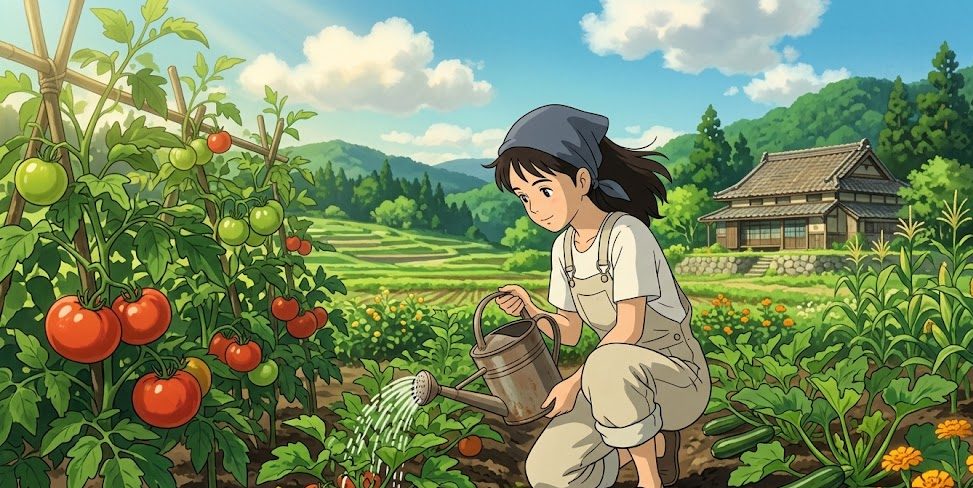
There is nothing quite like the initial energy of the spring planting season. The weather is mild, the soil is damp, and tiny green seedlings push through the earth with absolute ease. But as the seasons shift, gardeners and small-scale farmers face their ultimate annual test: the brutal, scorching arrival of peak summer.
When summer temperatures skyrocket, your garden transitions from a peaceful sanctuary into a high-stress survival zone. Extreme heatwaves, blistering sunbeams, and drying winds place immense physiological stress on your crops. Without a proactive management strategy, plants quickly show signs of distress. Leaves curl and wilt, delicate blossoms drop off before setting fruit, growth grinds to a halt, and high-yield dreams quickly evaporate into dry, dusty soil.
Managing crops through a harsh summer requires a major shift in how you care for your soil and water your plants. You cannot simply throw a little extra water at your garden on a hot afternoon and hope for the best. In fact, improper watering during a heatwave can actually do far more harm than good.
To keep your food crops, herbs, and flowers thriving when the mercury climbs, you need to understand how plants manage moisture and implement a strategic defense system. This comprehensive guide will take you through the best practical, organic methods to keep your garden deeply hydrated, structurally cool, and highly productive through the most intense summer heat.
Phase 1: Understanding Heat Stress in Plants
Before grabbing your garden hose, it helps to understand what actually happens to a plant when temperatures breach its comfort zone. Plants do not sweat like humans, but they do have a built-in cooling mechanism called transpiration.
1. How Transpiration Works
On the underside of almost every leaf are microscopic pores called stomata. The plant absorbs water through its roots, pulls it up through the stem, and releases it as water vapor through these tiny pores into the air. This continuous movement of water keeps the plant structurally cool and crisp, mimicking a tiny, natural evaporative air conditioner.
2. The Tipping Point
When the surrounding air becomes excessively hot and dry, the plant loses water through its leaves much faster than its roots can pull it from the ground. To prevent itself from drying out completely, the plant enters survival mode. It closes its stomata to lock in remaining moisture. While this action saves its life, it stops transpiration. As a result, the plant’s internal temperature rises, photosynthesis shuts down, and the leaves begin to droop and wilt.
If a plant stays in this closed-down state for too long, the heat permanently damages its cellular structure, leading to scorched leaf edges, dropped blossoms, and severely stunted yields.
Phase 2: Mastering the Summer Watering Routine
Watering during a summer heatwave is all about timing, depth, and placement. Giving your garden a quick, shallow sprinkle every afternoon is the worst way to manage summer crops. It creates a shallow root system that is incredibly vulnerable to heat.
1. The Golden Rule: Water Early, Water Deeply
The absolute best time to water your garden during the summer is early in the morning, ideally before or just as the sun rises.
- Why Morning Matters: Watering early gives the soil ample time to soak up moisture before the heat of the day arrives. It allows the plants to fill their cells with water, ensuring they are fully hydrated and structurally prepared to face the scorching midday sun.
- Avoid Midday Watering: Watering under a blazing afternoon sun is highly inefficient. A massive percentage of the water will evaporate into the hot air before it ever reaches the root zone.
- The Problem with Late Evening: While evening watering avoids evaporation, it leaves plant foliage damp overnight. Cool, wet leaves in the dark create an ideal breeding ground for devastating fungal diseases like powdery mildew.
2. Focus on Root-Zone Delivery
Never water your garden from above using a handheld nozzle or an overhead sprinkler. Wetting the leaves does nothing to hydrate the plant and actively invites fungal spores to take hold. Always apply water directly to the soil at the absolute base of the plant.
For the highest efficiency, invest in a drip irrigation system or soaker hoses connected to a simple mechanical timer. Drip irrigation delivers water at a slow, steady drip directly to the soil surface, allowing it to sink deep into the earth without causing surface runoff or wasting water through evaporation.
   [ Water Droplets ]
         |
    ===========   <-- Ground Level (Dry Surface)
       |   |
      /     \     <-- Water sinks deep, creating a
     /  Root \        cool, hydrated underground oasis
    /  System \
Phase 3: Creating an Underground Oasis with Mulch
If drip irrigation is the engine of your summer watering strategy, mulch is the shield that protects it. Leaving your garden soil completely bare during a summer heatwave is an open invitation for disaster. Bare soil bakes under the sun, forming a hard, crusty layer that repels water, kills off beneficial soil microbes, and accelerates moisture loss.
1. The Power of a 3-Inch Barrier
Applying a thick layer of organic mulch across your garden beds is the single most effective action you can take to combat extreme summer heat. Mulch acts as an insulation blanket for the earth. It keeps the underground soil temperature up to 10°C cooler than the ambient air temperature, drastically reduces surface water evaporation, and keeps the soil soft and loose.
2. Selecting the Best Summer Mulches
Choose lightweight, light-colored organic mulches that naturally reflect sunlight rather than absorbing it:
- Clean Straw or Shredded Leaves: Exceptional choices for vegetable garden beds. They are easy to spread, insulate perfectly, and slowly break down over time to enrich the soil with organic matter.
- Compost: A thick layer of rich compost topped with straw provides a double layer of nutrient delivery and moisture retention.
- Grass Clippings: If you use lawn clippings, ensure they are completely free of chemical weed-killers. Apply them in thin layers so they don’t mat together and block oxygen from reaching the soil.
Phase 4: Utilizing Shade Cloths and Microclimates
When temperatures soar past 35°C, even the most well-watered plants can suffer from sunburn and heat exhaustion. This is especially true for sensitive crops like tomatoes, peppers, eggplants, and leafy greens. Providing structural shade can mean the difference between a bountiful harvest and a dead crop.
1. Choosing the Right Shade Cloth
A shade cloth is a specially woven fabric designed to block a specific percentage of sunlight. For agricultural use, a 30% to 50% shade cloth is the ideal sweet spot. It diffuses the harsh, burning intensity of the midday sun while still allowing plenty of ambient light through so the plants can photosynthesize normally.
2. Strategic Installation
You do not need to build a permanent, expensive greenhouse structure to use shade cloths. You can easily construct temporary summer shade structures using simple PVC pipes, wooden stakes, or metal hoops arched over your garden beds.
Secure the shade cloth over the top of the frame, ensuring it provides shade during the peak heat hours of the day (typically between 11:00 AM and 4:00 PM). Keep the sides of the structure open to allow wind to pass through freely, preventing hot air from getting trapped underneath.
Phase 5: Summer Nutrition and What to Avoid
A common mistake many well-meaning beginners make during a summer heatwave is trying to save a struggling, heat-stressed plant by giving it a heavy dose of fertilizer. This can quickly prove fatal.
1. The Danger of Summer Fertilizing
When a plant is fighting to survive extreme heat, it intentionally slows down its growth and diverts all its internal energy toward water transport and survival. If you apply a high-nitrogen chemical fertilizer during a heatwave, you force the plant to suddenly try to grow new flush green leaves and stems.
This unexpected growth spurt places an immense strain on an already exhausted root system, causing severe chemical burn to the roots and pushing the plant over the edge into total collapse. Save your heavy fertilizing routines for the cooler spring and autumn seasons.
2. Gentle Organic Support
If you must feed your plants during the summer, stick to a highly diluted, gentle liquid organic supplement like seaweed extract. Liquid seaweed does not force aggressive growth; instead, it delivers trace minerals and natural hormones that actively strengthen the plant’s cellular walls, helping it naturally resist environmental stress and heat shock.
Summer Heat Management Quick Checklist
| Management Focus | Core Action | Major Pitfall to Avoid |
|---|---|---|
| Watering Time | Deeply soak soil between 5:00 AM and 8:00 AM. | Avoid evening watering to prevent overnight mold. |
| Soil Protection | Maintain a 3-inch layer of clean straw mulch. | Never leave garden soil bare and exposed. |
| Sun Defense | Erect a 40% shade cloth over sensitive crops. | Do not fully enclose the beds; keep sides open for breeze. |
| Feeding Routine | Apply diluted liquid seaweed extract occasionally. | Avoid high-nitrogen fertilizers during a heatwave. |
Frequently Asked Questions (FAQs)
Q1: My plants look completely wilted in the afternoon. Should I immediately water them?
Not necessarily. Check the soil first by sticking your finger two inches deep. If the soil feels damp, do not add more water. Many large-leafed crops like zucchini, pumpkins, and tomatoes will intentionally droop their leaves in the afternoon heat to minimize surface area and conserve moisture, even if the soil is wet. If they recover completely and stand up straight by the following morning, they are fine. Only water if the soil feels bone-dry beneath the surface.
Q2: Can I grow leafy salad greens during peak summer?
Yes, but you have to modify your setup. Leafy greens like lettuce and spinach tend to bolt (go to seed and turn incredibly bitter) when exposed to intense summer heat. To grow them successfully, plant them in a naturally shaded microclimate—such as directly underneath tall, vining tomato plants—and keep them strictly protected under a 50% shade cloth.
Q3: Why are my tomato blossoms falling off without growing any fruit?
This is a classic symptom of heat stress known as blossom drop. When daytime temperatures consistently stay above 32°C and night temperatures remain above 24°C, tomato pollen becomes sterile. The plant realizes it cannot successfully reproduce, so it drops the flowers to conserve energy. Keep the plants healthy, hydrated, and shaded; as soon as the extreme heatwave breaks, new flowers will appear and set fruit normally.
Q4: How do I manage potted container plants during a heatwave?
Container plants are incredibly vulnerable to summer heat because their roots are trapped above ground in small pockets of soil that heat up and dry out rapidly. Move your potted plants out of the direct afternoon sun and place them on a shaded porch or patio. Water them thoroughly twice a day—once in the early morning and once in the late afternoon—and apply a thin layer of mulch to the top of each pot.
Conclusion
Managing a successful garden through the peak of summer is entirely about working with your plants’ natural biology. By adjusting your watering schedule to the early morning hours, delivering moisture directly to the roots, insulating the earth with a generous layer of organic mulch, and setting up simple shade structures, you give your crops the ultimate defense system against the elements.
Be observant and responsive. Watch how your plants behave as the afternoon heat peaks, keep your soil covered like a precious resource, and don’t panic when things slow down temporary. With a little strategic planning and consistent care, your summer garden will stay beautifully green, hydrated, and ready to deliver a bountiful harvest well into the autumn season!