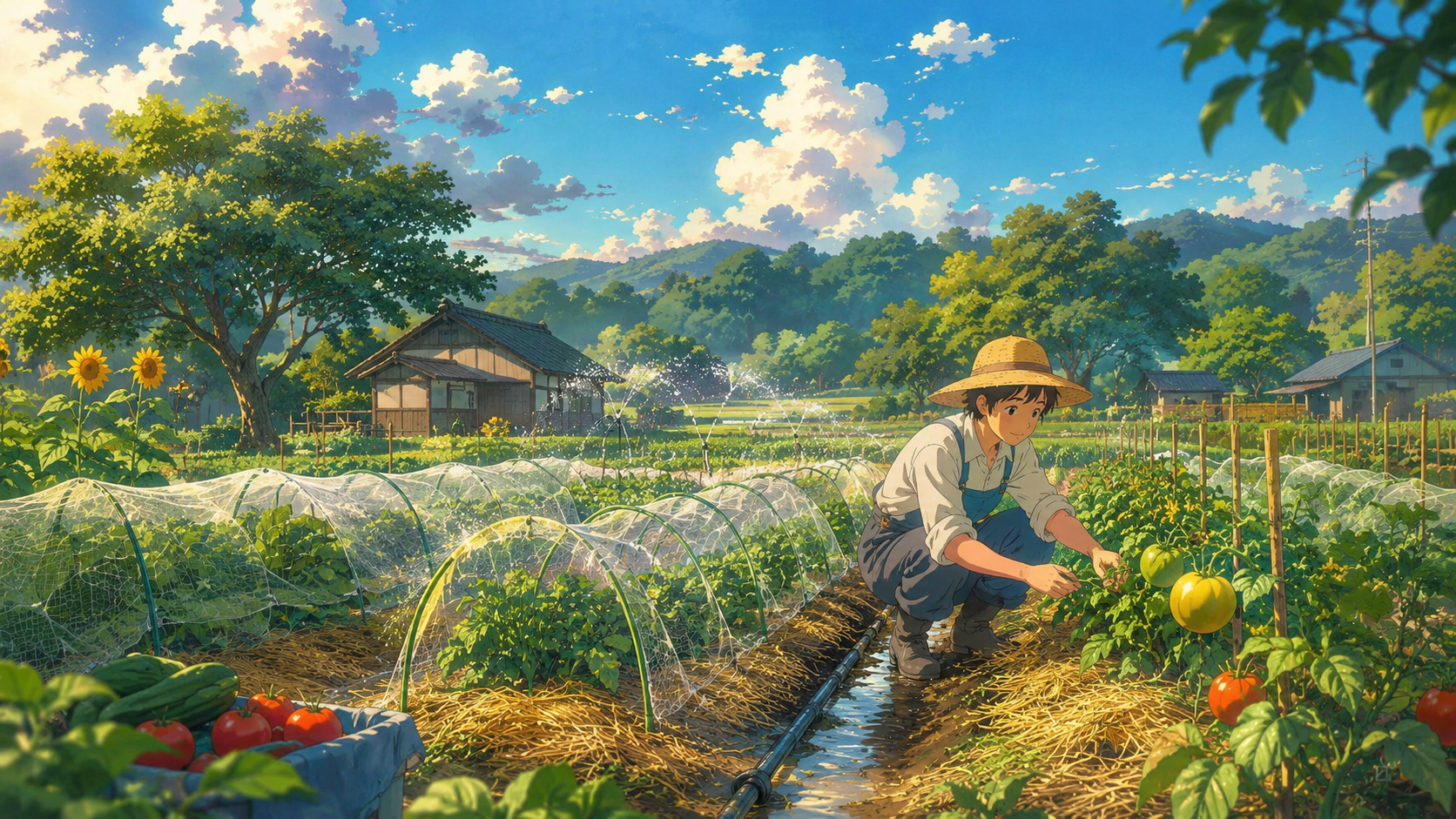
Summer brings the abundant sunshine that crops need to thrive, but it also introduces one of the greatest challenges a farmer can face: extreme heat. When temperatures skyrocket and rain stops falling, a once-lush field can quickly turn dry, stressed, and unproductive. Every experienced grower knows the anxiety of watching a healthy crop struggle under the intense midday sun.
However, severe summer weather does not have to mean a season of losses. Farming successfully through the hottest months of the year is all about adaptation. By shifting your focus from aggressive growth to moisture retention and temperature management, you can shield your plants from the worst of the heat. With a few practical, proactive adjustments, you can protect your harvest, conserve precious water, and actually improve your overall production.
Understanding the Hidden Threat of Heat Stress
Before applying solutions, it is helpful to understand what happens to plants during a heatwave. When temperatures push past a certain threshold, plants enter a state of survival. They close their stomata—tiny pores on their leaves—to prevent moisture from escaping. While this stops them from drying out completely, it also stops them from taking in carbon dioxide, meaning photosynthesis grinds to a halt. The plant stops growing.
Simultaneously, the hot sun bakes the topsoil. This causes rapid evaporation and raises the soil temperature, which can literally cook delicate root systems. If the soil becomes a hard crust, any water you do apply will simply run off the surface instead of soaking down to the roots where it is desperately needed.
Practical Tips for Summer Crop Protection
Beating the summer heat requires a combination of smart soil management and strategic watering. Here are highly effective, field-tested methods to keep your farm productive when the temperature rises.
Master the Art of Mulching
If there is one golden rule for summer farming, it is to never leave your soil bare. Applying a thick layer of organic mulch is like putting a protective blanket over your fields. Straw, shredded leaves, wood chips, or dried grass clippings work perfectly. A good layer of mulch blocks direct sunlight from hitting the soil, which drastically lowers the ground temperature. It also acts as a barrier that slows down water evaporation, keeping the root zone moist for days longer than exposed dirt. As an added bonus, organic mulch slowly breaks down over the season, feeding the soil microbiome.
Rethink Your Watering Schedule
Watering in the middle of a hot summer day is highly inefficient. Up to half of the water can evaporate into the air before it ever penetrates the ground. Worse, water droplets left on the plant leaves can act like tiny magnifying glasses, causing the sun to burn the foliage.
Always irrigate in the early morning or late evening. Morning is generally best, as it gives the plants a deep drink before the heat of the day sets in, and allows the leaves to dry off before nightfall, which prevents fungal diseases.
Implement Shade Strategies
Not all plants love relentless sunshine. Leafy greens, certain varieties of tomatoes, and peppers can suffer from sunscald if exposed to direct afternoon light. You can protect them using shade nets. A standard 30% to 50% agricultural shade cloth suspended over the crop rows can drop the ambient temperature beneath it by several degrees.
If buying shade cloth is not in the budget, you can use companion planting. Plant tall, heat-loving crops like field corn or sunflowers on the western edge of your sensitive crops. As the afternoon sun sets, these tall plants will cast a natural, cooling shadow over the shorter vegetables.
Increase Organic Matter in the Soil
Soil that is rich in organic compost acts like a giant sponge. It can hold vast amounts of water and release it slowly to the plant roots as needed. Sandy soils drain too fast, and heavy clay soils bake into concrete during the summer. By continuously working well-rotted manure and compost into your fields, you improve the soil structure, making it much more resilient against sudden dry spells.
A Real-Life Example: The Tomato Rescue
Consider a local vegetable farmer who traditionally grew a large field of heirloom tomatoes. A sudden, early-summer heatwave hit, with temperatures staying exceptionally high for two straight weeks. The farmer noticed the tomatoes were developing white, blistered patches on their skins—a classic sign of sunscald—and the soil was drying out faster than the irrigation system could run.
Instead of panic-watering, he took two distinct actions. First, he immediately brought in round bales of straw and laid a four-inch layer of mulch heavily around the base of every plant. Second, he installed an inexpensive 30% white shade cloth over the most exposed rows using simple wooden stakes.
The results were immediate. The thick straw dropped the soil temperature by nearly ten degrees, allowing the roots to absorb water efficiently again. The shade cloth protected the developing fruit from direct sunburn. While neighboring farms lost large portions of their tomato crops to the heat, this farmer secured a massive, high-quality harvest, simply by managing the microclimate of his field.
Step-by-Step Guide: Transitioning to Drip Irrigation
One of the smartest upgrades you can make for summer farming is switching from overhead sprinklers to drip irrigation. It saves water and delivers moisture precisely where the plants need it.
- Step 1: Map Your Rows. Measure the length of your crop rows and the distance between your plants to determine how much drip tape or tubing you need to purchase.
- Step 2: Connect to the Source. Attach a backflow preventer, a water filter, and a pressure regulator to your main water spigot. The filter prevents tiny dirt particles from clogging the system, and the regulator ensures the water pressure does not burst the delicate tape.
- Step 3: Run the Mainline. Lay out a solid mainline hose perpendicular to your crop rows.
- Step 4: Attach the Drip Tape. Punch holes into the mainline and attach your drip tape lines using barbed connectors. Run the tape down the length of each row, keeping it as close to the base of the plants as possible.
- Step 5: Cap the Ends. Fold over and cap the ends of the drip tape so the water pressure builds up and forces water out of the tiny emitters.
- Step 6: Test and Cover. Turn the water on and check for leaks. Once everything is working smoothly, cover the drip lines with your layer of mulch to prevent the sun from degrading the plastic and to further reduce evaporation.
Common Mistakes to Avoid
Even seasoned growers can make errors when the weather gets extreme. Watch out for these common summer farming traps:
- Fertilizing Stressed Plants: When plants are wilting in the heat, many farmers assume they need food. Applying high-nitrogen fertilizer during a heatwave forces the plant to try and grow new leaves at a time when it just wants to survive. This can cause severe chemical burns. Wait until the heat breaks before feeding your crops.
- Overwatering out of Panic: Seeing wilted leaves at 2:00 PM is scary, but it is often a natural defense mechanism. The plants temporarily go limp to reduce their surface area to the sun. If you check the soil and it is still damp two inches down, do not add more water. Constantly soggy soil will drown the roots and invite disease.
- Aggressive Weeding in the Sun: Pulling weeds disturbs the topsoil. If you pull weeds in the middle of a hot afternoon, you expose the dark, moist soil underneath to the sun, drying out the entire field. Only do heavy weeding on overcast days or in the early evening.
Natural Conclusion
Summer farming does not have to be a desperate fight against the elements. By understanding how heat impacts your soil and your plants, you can change your daily routines to protect your harvest. Utilizing heavy mulch, watering smartly with drip irrigation, and providing necessary shade can completely transform a struggling field into a highly productive one. The key to summer success is patience and prevention. Set your defenses up early in the season, and your farm will remain green, healthy, and profitable even through the hottest days of the year.
Frequently Asked Questions (FAQs)
1. How do I know if I am watering my crops deeply enough? Instead of guessing, use a simple trowel to dig down about three to four inches into the soil after you water. If the soil is dry at that depth, you are only doing shallow watering. You need the moisture to penetrate deeply to encourage the plant roots to grow downward, away from the hot surface.
2. Can too much sunlight actually kill a plant? Yes. While plants need sunlight for photosynthesis, excessive direct light paired with high heat can destroy plant tissue. This causes sunscald on fruits like peppers and tomatoes, and can cause the edges of leaves to turn brown and crispy, permanently stunting the plant’s growth.
3. Is it safe to apply pest control sprays during the summer? You must be very careful. Never apply oils (like Neem oil) or chemical pesticides when the sun is shining and temperatures are above 85°F (29°C). The heat will cause the liquid to burn the leaves severely. Always apply sprays at dusk so the plants have the entire night to absorb them safely.
4. What is the best type of mulch for a vegetable farm? Clean wheat straw is widely considered the best overall mulch. It is light in color, so it reflects the hot sun rather than absorbing it. It allows water to flow through easily, and it breaks down at a steady rate, adding excellent organic matter back into the earth for the next season.
5. Why do my squash and cucumber leaves look dead every afternoon? Large-leafed plants lose a lot of water through transpiration. On hot afternoons, they purposely let their leaves wilt and droop to reduce the surface area exposed to the sun. If they perk back up by the evening when the temperature drops, they are perfectly healthy and do not need emergency watering.