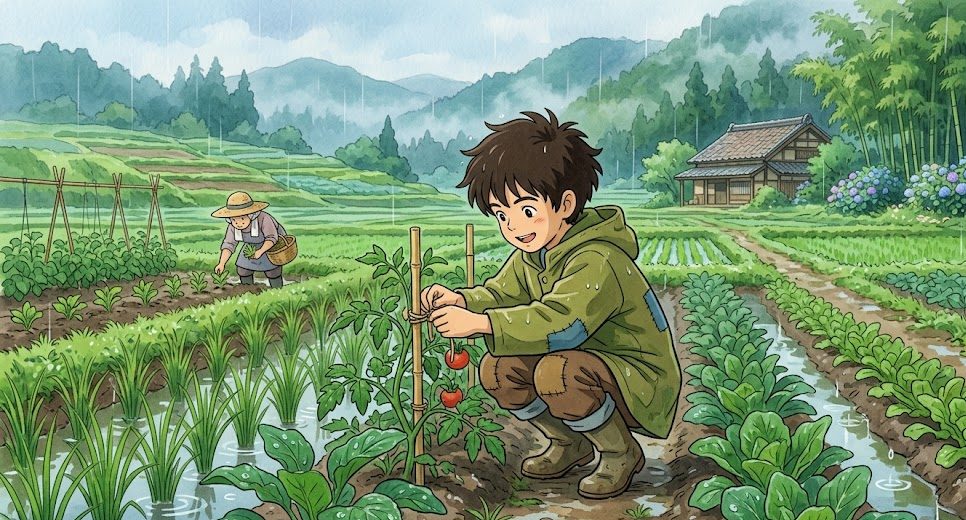
Rain is nature’s greatest gift to agriculture. After months of dry heat, the first few drops of a monsoon or heavy seasonal rain bring life back to the fields. However, any experienced grower knows that while water is essential, too much of it can quickly turn into a disaster. When the skies open up and refuse to close, fields flood, topsoil washes away, and delicate plant roots begin to drown.
Farming successfully during the rainy season requires a different mindset. You are no longer trying to conserve water; you are actively trying to manage and redirect it. The goal is to protect your soil structure, prevent devastating fungal diseases, and ensure your plants can breathe even when the ground is soaked. By preparing your fields early and using smart, sustainable techniques, you can turn heavy rainfall from a massive threat into a powerful advantage for your harvest.
The Dual Nature of Heavy Rain
To protect your crops, you must first understand exactly how excess rain damages them. The most immediate threat is waterlogging. Plant roots need oxygen just as much as they need water. When the soil becomes completely saturated, the air pockets are filled with water, effectively suffocating the roots. This leads to root rot, a condition that can wipe out an entire field in a matter of days.
The second major issue is soil erosion. Heavy raindrops hit the bare earth with surprising force, breaking up the topsoil. As the water flows across the field, it carries this rich, nutrient-dense dirt away, leaving behind poor, exhausted ground. Finally, high humidity and constant moisture create the perfect breeding ground for fungal diseases. Spores multiply rapidly on wet leaves, destroying the plant’s ability to photosynthesize.
Practical Tips for Rainy Season Protection
You cannot stop the rain, but you can control how your farm reacts to it. By implementing a few practical, proactive measures, you can keep your crops healthy and thriving through the wettest months.
1. Switch to Raised Beds If you are growing vegetables or small crops, planting on flat ground during the rainy season is highly risky. Instead, pull the soil up into raised ridges or beds, planting your crops on the top. This simple change ensures that gravity pulls excess water down and away from the delicate root zones. The pathways between the beds act as natural drainage channels.
2. Protect the Soil with Heavy Mulch Never leave your topsoil exposed to heavy rain. Covering the ground around your plants with a thick layer of organic mulch, such as heavy straw or shredded wood, acts like a protective cushion. The mulch absorbs the harsh impact of the falling raindrops, preventing the soil from splashing up onto the plant leaves—which is how many soil-borne diseases spread.
3. Improve Air Circulation When the air is thick with moisture, you must ensure good airflow to prevent fungus. Prune your plants aggressively. Remove the lower leaves that touch the ground and thin out the center of the plants so wind can easily blow through the foliage. The faster the leaves dry after a downpour, the lower your risk of fungal infections.
4. Time Your Fertilization Carefully Adding natural fertilizers right before a massive storm is a waste of money and resources. The heavy water will simply wash the nutrients out of the soil and into local rivers. Instead, apply organic matter in small, frequent doses during dry windows, or use foliar sprays (spraying liquid nutrients directly on the leaves) when the weather is clear.
A Real-Life Example: The Raised Ridge Rescue
Consider a local vegetable farmer who traditionally grew his cabbage and pepper crops on flat, open fields. During a particularly severe rainy season, his entire first planting was wiped out. The water pooled in the center of his fields, suffocating the roots and causing a massive outbreak of leaf blight.
Instead of giving up, he completely changed his field layout for the next planting. He hired a small tractor to pull the earth into high ridges, about a foot above the normal ground level. He planted the new seedlings strictly on the peaks of these ridges and dug a single, deep drainage trench at the lowest edge of his property to catch the runoff.
When the next round of heavy storms hit, the difference was incredible. The water naturally flowed off the ridges and down the pathways, eventually emptying into the main trench. The roots of his peppers stayed damp but well-oxygenated. His plants survived the downpours easily, and he ended up securing a highly profitable harvest while neighboring flat-field farms struggled.
Step-by-Step Guide: Building a Simple Drainage Trench
Proper drainage is the ultimate secret to surviving the rainy season. If your field has a natural slope, you can easily build a trench to guide excess water away safely without causing massive erosion.
Step 1: Identify the Water Flow. Walk your field during a moderate rainstorm. Look closely at where the water naturally pools and the path it takes to flow off your land. You want to work with gravity, not against it.
Step 2: Mark the Trench Line. Use wooden stakes and a long string to mark a straight line along the lowest edge of your planting area. The trench should run slightly downhill toward a safe runoff area, like a ditch or a holding pond.
Step 3: Dig the Main Channel. Using a spade or a small plow, dig a trench along your marked line. For small fields, a trench about one foot deep and one foot wide is usually sufficient. Keep the sides gently sloped rather than straight up and down to prevent the dirt from collapsing inward.
Step 4: Create Feeder Pathways. Dig shallow, narrow pathways between your crop rows that connect directly into your new main trench. These pathways will act as small rivers, feeding the standing water out of the field and into the main drain.
Step 5: Line the Trench (Optional). If your soil is very sandy and washes away easily, line the bottom of your main trench with heavy rocks or gravel. This slows the water down slightly and stops it from cutting the trench deeper over time.
Step 6: Keep it Clear. After every major storm, walk the length of your trench with a shovel. Clear out any mud, fallen branches, or debris that might be blocking the water flow.
Common Mistakes to Avoid
Even experienced growers can make poor decisions when rushing to protect their fields from a storm. Avoid these common traps to keep your land healthy.
- Walking on Wet Fields: When soil is heavily saturated, stepping on it or driving machinery over it compresses the dirt like concrete. This compaction ruins the soil structure, making it impossible for roots to grow once the ground finally dries. Stay off the mud as much as possible.
- Ignoring Weed Growth: Weeds absolutely love the rainy season. They grow rapidly, stealing precious nutrients and blocking airflow around your main crops. Pull weeds early and often, before their roots get deep enough to compete with your harvest.
- Overreacting with Chemicals: When farmers see the first sign of fungus after a rainstorm, many panic and drench the field in heavy chemical fungicides. This often harms the soil’s natural biology. Focus on preventative measures like spacing and airflow first, and use targeted natural sprays like neem oil or baking soda solutions only when necessary.
Conclusion
Farming during the rainy season is undoubtedly a test of patience and preparation. It requires you to be observant and ready to adapt your methods. By understanding how water moves across your land and taking steps to protect the delicate root zones of your plants, you can prevent the heartbreak of a flooded harvest.
Techniques like building raised beds, applying heavy mulch, and digging proper drainage trenches are simple, highly effective ways to keep your crops safe. While the skies may turn dark and the rain may seem relentless, a well-prepared farm will weather the storm. With the right strategies in place, you can turn the challenges of the wet season into a period of robust, healthy growth for your crops.
Frequently Asked Questions (FAQs)
Q: Which vegetables grow best during the heavy rainy season? A: Crops that naturally thrive in high moisture and high humidity do best. Root vegetables generally struggle, but leafy greens, cucumbers, okra, eggplant, and certain varieties of heavy-drinking squashes perform excellently during the wet months.
Q: How can I stop heavy rain from washing away my seeds? A: If you must plant seeds during the rainy season, do not plant them in bare dirt. Cover the freshly planted seedbeds with a light layer of straw or use a breathable row cover. This breaks the force of the raindrops until the seeds germinate and anchor themselves.
Q: Can plants actually drown in heavy rain? A: Yes, they can. Plant roots breathe oxygen. If the soil remains flooded for too long, all the oxygen is pushed out of the dirt, and the roots literally suffocate and rot, killing the plant from the bottom up.
Q: Is it necessary to water plants at all during the rainy season? A: It depends on the weather patterns. If you have several days of intense, hot sun between rainstorms, the topsoil can dry out quickly, especially if it is windy. Always check the soil moisture with your finger before assuming the rain did the job.
Q: How do I handle pests that appear after heavy rains? A: Snails, slugs, and certain beetles multiply rapidly in wet conditions. Hand-picking them in the early morning is highly effective. You can also create physical barriers using crushed eggshells or natural diatomaceous earth around the base of your plants once the rain stops.