Did you know that temperatures exceeding 95°F (35°C) can completely halt photosynthesis in standard garden vegetables, literally starving them to death in the bright sunlight?
As global heat waves become longer and more intense, farmers and home gardeners face a devastating reality. Watching months of hard work shrivel, blossoms drop, and yields plummet under a relentless summer sun is both emotionally and financially draining. Fighting the heat with endless, expensive watering is a frustrating and often losing battle.
The ultimate solution is a strategic pivot to cultivating heat-tolerant crops. By working with nature and intentionally selecting plant varieties genetically adapted to thrive in blistering heat, you can turn the harshest months of the year into a period of massive abundance.
In this comprehensive guide, we will explore the core science behind heat-resistant agriculture, unpack the powerful economic and environmental benefits, provide a step-by-step planting guide for beginners, and look at the future of climate-adaptive farming.
Understanding Heat-Tolerant Crops: Key Concepts and Importance
Cultivating heat-tolerant crops means intentionally growing plant species that have evolved specific biological defense mechanisms against extreme solar radiation and high ambient temperatures. Historically, indigenous cultures in arid regions of Africa, the Middle East, and the Americas cultivated these resilient staples—like sorghum, cowpeas, and amaranth—to survive punishing dry seasons. Today, as climate volatility increases and summer heat domes become the new normal, integrating these ancient, resilient genetics is a modern necessity for global food security.
Think of a traditional cool-weather crop, like spring spinach, as a person wearing a heavy winter parka in the desert. They quickly overheat, sweat profusely, and collapse. A true heat-tolerant crop, however, is like a desert camel.
It has built-in survival tools: deep taproots to find hidden water beneath the parched earth, thick waxy leaves to physically reflect harsh UV rays, and the remarkable ability to close its microscopic leaf pores (stomata) to prevent vital moisture from escaping during the absolute hottest part of the day.
Why It Matters: The Top Benefits of Heat-Tolerant Crops
Shifting your summer planting strategy to embrace extreme weather isn’t just about basic survival; it is a highly profitable and ecologically responsible decision. Here is why prioritizing these resilient plants matters for your agricultural success:
- Massive Water Conservation: Heat-adapted plants require a fraction of the irrigation needed by standard crops. This drastically lowers your monthly utility bills and preserves fragile local aquifers during severe summer droughts.
- Consistent Summer Revenue: While traditional competitors lose their delicate harvests to sudden heat waves, your fields will remain highly productive. This allows commercial growers to dominate the local market and command premium prices when fresh produce is scarce.
- Decreased Pest and Disease Pressure: Sizzling temperatures combined with tough, waxy plant foliage naturally deter many common agricultural pests. Furthermore, the dry heat prevents the damp, humid conditions that typically breed devastating fungal diseases.
- Vital Soil Canopy Protection: Keeping living, sprawling plants (like sweet potato vines) actively growing during the summer acts as a living cover crop. This thick green canopy shades the topsoil, protecting the vital, microscopic soil microbiome from baking into lifeless clay.
Pro Fact: Okra is so biologically efficient in extreme conditions that it can actually continue to actively photosynthesize, flower, and set high-quality fruit even when ambient air temperatures soar past 100°F (38°C)!
How to Get Started: A Practical Guide for Beginners
Transitioning your garden or farm to handle the extreme heat requires the right genetics and smart microclimate management. Follow this 5-step actionable plan to ensure your summer harvest survives.
1. Choose Proven Heat Champions
Stop attempting to force spring greens to survive in July. Pivot entirely to crops that love the fire: Okra, Sweet Potatoes, Eggplant, Cowpeas (Black-eyed peas), Hot Peppers, and Malabar Spinach. These resilient crops do not just tolerate the heat; they actively require it to reach their maximum yield potential.
2. Install Deep Root Irrigation
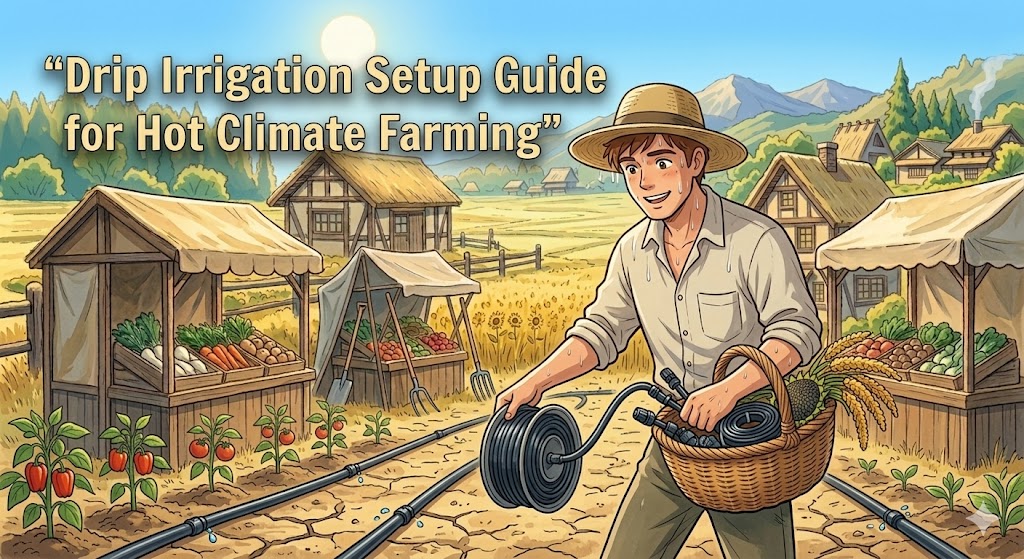
Overhead sprinklers lose massive amounts of water to instant evaporation in the summer heat. Install a drip irrigation system to deliver water directly to the soil level.
This ensures deep saturation, minimizes evaporation waste, and keeps the plant foliage completely dry to prevent sunburn and disease.
3. Apply Heavy Reflective Mulch
Bare dirt absorbs heat like a sponge, baking the roots below. Cover all your planting beds with a thick, 3-inch layer of light-colored organic mulch, such as clean straw or dried grass clippings. This thermal shield acts as insulation, keeping the root zone significantly cooler than the surrounding air.
4. Utilize Strategic Shade Cloth
Even the toughest, most heat-adapted plants appreciate a midday break from the sun. Suspend a 30% to 40% agricultural shade cloth over your most vulnerable rows. This specialized fabric filters out scorching UV rays while still allowing plenty of ambient light to pass through for vigorous photosynthesis.
5. Harvest in the Early Morning
Never pick your vegetables during the blazing afternoon heat. Harvest at dawn when the plant cells are fully hydrated and plump from the cooler night air. This ensures maximum crispness, optimal flavor, and a much longer shelf life for your produce.
Beginner’s Tip: Deep, infrequent watering is far superior to shallow, daily watering. Watering deeply every 2 to 3 days trains the plant’s roots to dig further down into the cooler earth, making them significantly more drought-resistant! You will need a basic drip irrigation kit, clean straw, and UV-rated shade cloth to execute this properly.
Overcoming Challenges and Looking into the Future
Even when utilizing heat-adapted plants, growers face unique environmental hurdles. A major issue during extreme summers is blossom drop, where sustained high nighttime temperatures (staying above 75°F or 24°C) cause plants like tomatoes and peppers to abort their flowers, rendering them barren. You can solve this by planting specific “heat-set” genetic varieties and ensuring the soil never dries out completely to minimize plant stress.
Another serious challenge is the rapid depletion of organic matter, as extreme heat accelerates the breakdown of nutrients in the soil. Counteract this by continuously side-dressing your crops with rich, moisture-retaining compost throughout the season.
Looking to the future, the agricultural sector is rapidly innovating to combat climate change. We are witnessing the rise of AI-driven microclimate sensors that predict localized heat spikes weeks in advance, automatically triggering automated shading and irrigation systems. Furthermore, geneticists are actively isolating “heat-shock” proteins from wild desert flora, using advanced breeding techniques to create a new generation of ultra-resilient global staple crops.
Conclusion
Successfully cultivating a thriving, high-yielding harvest during the hottest months of the year is entirely achievable when you stop fighting the heat and start planting for it. By understanding the unique biology of heat resistance, leveraging the massive economic benefits of drought tolerance, and implementing smart watering and shading strategies, you can conquer the summer sun.
Your Next Step: Take a critical look at your upcoming summer planting schedule today. Swap out just one row of a struggling, heat-sensitive crop for a proven survivor like Sweet Potatoes or Okra to personally test their incredible durability.
Embrace the heat, adapt your strategies, and watch your resilient garden flourish while the rest of the world wilts!
Frequently Asked Questions (FAQs)
1. Can I grow tomatoes in 100-degree weather? Standard heirloom tomatoes will stop producing fruit in extreme heat due to blossom drop. However, if you specifically purchase and plant “heat-set” or “tropical” hybrid varieties, they are bred to successfully pollinate and produce fruit even when temperatures soar.
2. What is the best heat-tolerant leafy green to replace lettuce? Traditional lettuce will bolt (go to seed) and turn incredibly bitter in the summer. Excellent heat-loving replacements include Malabar Spinach, Amaranth leaves, and New Zealand Spinach, all of which thrive in high humidity and scorching temperatures.
3. Does using a shade cloth reduce my overall crop yield? No, it actually improves it! Using a 30% density shade cloth simply takes the stressful “edge” off the blistering sun. By reducing the ambient temperature around the plant by a few degrees, the crop can continue to photosynthesize and grow rather than shutting down to survive.
4. Why do my squash leaves wilt in the afternoon but look fine the next morning? Many large-leafed summer crops naturally wilt in the afternoon as a brilliant biological defense mechanism. Wilting reduces the leaf’s exposed surface area, minimizing moisture loss to the sun. As long as they perk back up by the evening or morning, the plant is perfectly healthy.