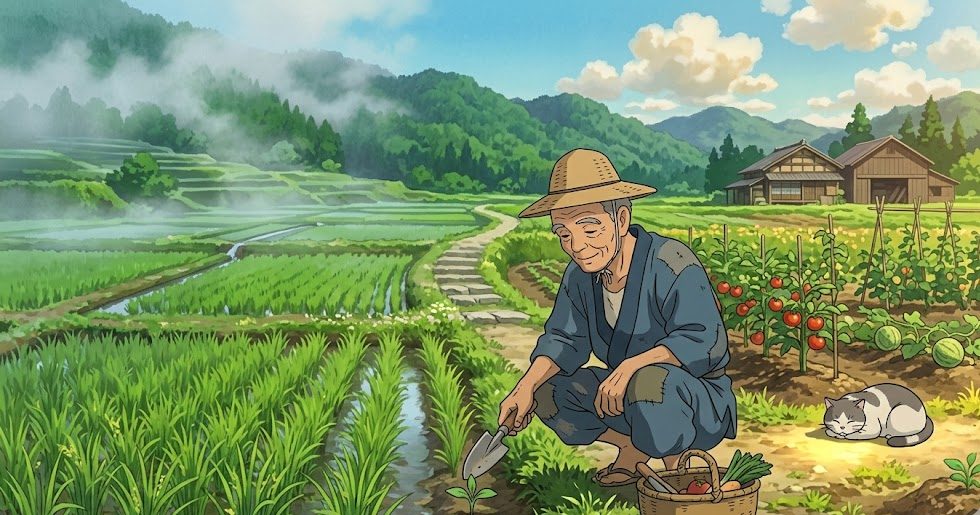
Agriculture is a rhythmic dance with the seasons. As a modern farmer, your ability to adapt your strategies to the specific challenges of the rainy (Kharif) and summer (Zaid/off-season) cycles determines not just your survival, but your profitability. Each season brings unique climatic pressures—from pest outbreaks during the monsoon to water stress during the scorching summer months—that require specialized management.
This guide provides a comprehensive overview of best practices to optimize your crop cycles and ensure year-round productivity.
1. The Rainy Season (Kharif Cycle): Managing Moisture and Pests
The monsoon season provides the most vital resource for agriculture, but it also introduces the highest risks of disease and crop loss.
Soil Drainage and Waterlogging
The biggest threat to Kharif crops is standing water. When soil stays saturated, roots cannot breathe, leading to root rot and fungal infections.
- Raised Bed Planting: Plant your crops on raised beds rather than flat ground. This encourages excess water to drain into the furrows, keeping the root zone aerated.
- Contour Plowing: If your land is sloped, plow along the contours. This prevents soil erosion and stops water from rushing down the field, which would otherwise wash away topsoil and nutrients.
Integrated Pest Management (IPM)
High humidity and warmth create the perfect environment for pest and fungal explosions.
- Proactive Scouting: Don’t wait for damage to be visible. Inspect your fields every 3–4 days during peak monsoon. Focus on the undersides of leaves where insects lay eggs.
- Biological Barriers: Utilize neem-based sprays and pheromone traps early in the season. These methods are eco-friendly and keep the population of harmful pests below the “economic threshold” before they get out of control.
2. The Summer Cycle: Combatting Heat and Water Scarcity
Summer farming requires a shift from “volume production” to “precision management.” The goal here is to keep your plants alive and productive under thermal stress.
Precision Irrigation
During the summer, every drop of water counts.
- Drip Irrigation: Move away from flood or sprinkler irrigation, which lose massive amounts of water to evaporation. Drip systems deliver water directly to the root zone, reducing wastage by 50–70%.
- Mulching: Covering the soil with organic material (straw, dry grass, or plastic mulch) is the single most effective way to keep soil cool and retain moisture. It prevents the sun from baking the earth and slows evaporation significantly.
Thermal Stress Mitigation
High temperatures can cause “pollen blast” in crops like tomatoes and peppers, leading to low fruit set.
- Shade Netting: For high-value crops, installing 30-50% shade nets can lower the ambient temperature in your field by 5–7°C, which is often the difference between a successful harvest and crop failure.
- Foliar Nutrition: Applying seaweed-based extracts or potassium-based foliar feeds can help crops better withstand heat-induced physiological stress.
3. Crop Selection: The Secret to Seasonal Profit
Successful seasonal farming is not just about how you grow, but what you grow.
- Rainy Season Resilience: Choose varieties that have high resistance to bacterial blight and fungal pathogens. Look for shorter-duration varieties that reach maturity before the tail end of the monsoon when excess rain can damage the harvest.
- Summer Specialists: Focus on crops that thrive in heat, such as okra, cowpeas, cucumbers, and certain varieties of gourds. These crops are genetically adapted to high light intensity and can provide excellent profit margins when supply is low.
4. Post-Harvest Management and Storage
The way you handle your harvest changes significantly with the season.
- Rainy Season: Harvest during dry spells. Drying produce is difficult during the monsoon, so prioritize post-harvest ventilation. Use fans and dry storage sheds to prevent mold growth on your yield.
- Summer: Heat causes rapid degradation of quality. Harvest in the early morning or late evening when the produce is cool. Immediate pre-cooling or transport to cold storage is essential to maintain the market value of your crops.
5. Strategic Rotation: A Year-Round Business Plan
The most profitable farms follow a deliberate cycle that improves soil health rather than depleting it.
| Season | Priority Strategy | Goal |
| Monsoon | Drainage & Pest Monitoring | Maximize Yield while protecting Soil |
| Post-Monsoon | Soil Amendment & Rest | Rebuild nutrients with Cover Crops |
| Summer | Water Efficiency & Shade | Survival & High-Value specialty crops |
By rotating heavy-feeding crops (like corn) in the monsoon with soil-building cover crops (like legumes) after the rain, you naturally restore your soil’s fertility, reducing your expenditure on chemical fertilizers.
6. Data-Driven Seasonal Success
Technology plays a crucial role in seasonal transitions.
- Weather Forecasting: Use localized weather apps to plan your planting dates. A delay of just one week can sometimes prevent a crop from being hit by a mid-season drought or a late-monsoon deluge.
- Inventory Records: Document which seed varieties performed best in each season. Your own farm data is the most valuable asset you have for planning future seasons.
Conclusion
Seasonal farming is an exercise in management and foresight. Whether you are dealing with the moisture-rich challenges of the rainy cycle or the parched conditions of summer, the key to success is preparation. By focusing on soil drainage, water-wise irrigation, and climate-specific crop selection, you transform your farm from a seasonal gamble into a stable, year-round business.
Treat every season as a learning opportunity. Record your results, adjust your techniques, and continue to optimize—your farm will reward you with consistency and profitability in every harvest.