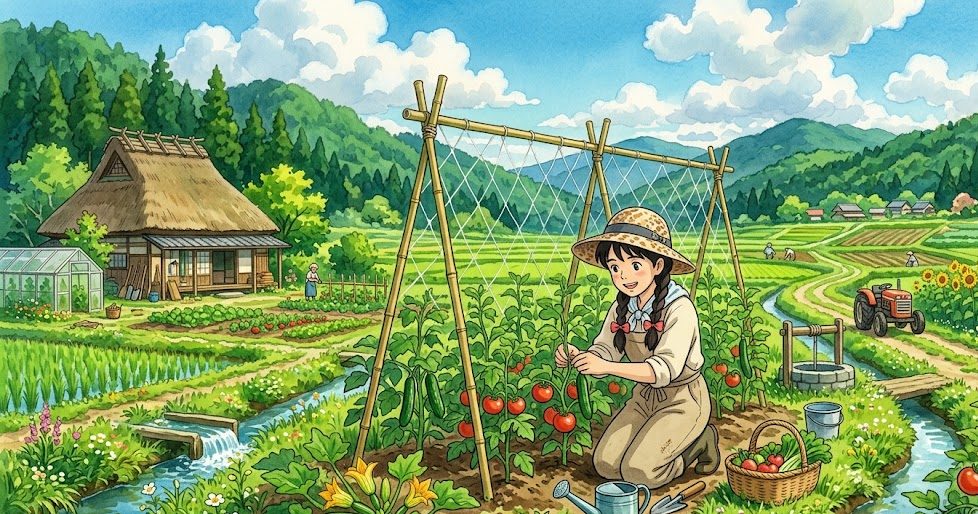
Summer brings longer days and plenty of sunshine, which might sound like the perfect recipe for growing a massive harvest. However, anyone who has spent real time working the land knows the truth: summer is often a high-stakes battle against scorching temperatures and rapid water evaporation. When the heat spikes, a thriving field can go from healthy to severely wilted in a matter of hours.
Surviving the summer growing season requires more than just hoping for rain. It demands a proactive strategy. The secret to summer farming is not simply reacting to the heat when it arrives, but preparing your soil, water systems, and plants long before the first heatwave hits.
Whether you are managing a traditional open field or running a high-efficiency modern growing setup, this guide will walk you through proven methods to protect your crops, save water, and actually improve your production during the hottest months of the year.
Understanding Summer Crop Stress
Before you can protect your crops, you need to understand what happens to them when temperatures soar. Plants cool themselves through a process called transpiration, releasing moisture through tiny pores in their leaves.
When the air is exceptionally hot and dry, plants transpire moisture faster than their roots can pull it from the soil. To prevent themselves from drying out completely, they close these pores. While this saves water, it also completely stops the plant from taking in the carbon dioxide it needs to grow. The plant enters survival mode, dropping blossoms, halting fruit production, and stunting leaf growth. Recognizing this stress cycle is the first step in preventing it.
Master Your Water Management
During the summer, water is your most valuable asset. Overhead sprinklers are highly inefficient in July and August because a massive percentage of the water evaporates into the hot air before it ever reaches the plant’s roots.
Instead, transition to drip irrigation. Drip tape delivers water directly to the base of the plant, minimizing evaporation and keeping the leaves dry, which naturally prevents fungal diseases.
To take this a step further, integrate basic digital soil moisture sensors into your beds. Guessing when the soil is dry often leads to overwatering or underwatering. A simple sensor removes the guesswork, ensuring your automated irrigation only turns on when the root zone actually needs moisture. This kind of targeted watering saves money and keeps plants consistently hydrated.
The Power of Heavy Mulching
If there is one non-negotiable rule for summer farming, it is this: never leave your soil bare. Bare dirt absorbs the sun’s heat, baking the delicate root systems just below the surface.
Applying a thick layer of organic mulch—such as straw, wood chips, or dried leaves—acts like a protective cooler for your soil. A good layer of mulch can lower the soil temperature by several degrees. More importantly, it locks in the moisture from your drip irrigation, stopping the hot summer winds from drying out your beds. As a bonus, as the organic mulch slowly breaks down over the summer, it feeds the vital microbial life living in your soil.
Utilizing Shade and Microclimates
Plants need sun, but they do not always need a relentless, 14-hour physical beating from it. Many crops, particularly leafy greens and certain fruiting vegetables, benefit massively from a slight break in the afternoon heat.
Using agricultural shade cloth is a highly effective way to create a cooler microclimate. A 30% to 40% shade net blocks just enough intense UV light to lower the temperature around the plants without stopping photosynthesis. You can stretch these nets over high tunnels, or build temporary structures over your most sensitive crop rows. It is a simple physical barrier that yields massive returns in plant health.
Practical Tips You Can Apply Today
You do not need a massive budget to improve your summer farming strategy. Here are a few practical habits you can start implementing right now:
- Water Early in the Morning: The absolute best time to run your irrigation is just before sunrise. The soil is cool, meaning evaporation is low, and the plants have time to drink deeply before the midday sun hits.
- Stop Heavy Fertilizing: Do not push your plants to grow rapidly during a severe heatwave. Applying heavy nitrogen fertilizers when a plant is heat-stressed can burn the roots and cause permanent damage. Wait for a cooler stretch of weather to feed them.
- Aggressive Weed Control: Weeds are notorious water thieves. Every weed growing next to your cash crop is stealing valuable moisture from the soil. Keep your beds strictly weeded during the summer months.
- Maintain Airflow: If you are growing in a greenhouse or using high-density vertical setups, stagnant hot air is a killer. Ensure you have proper ventilation or exhaust fans running to pull the hot air out and keep fresh air moving through the plant canopy.
A Real-Life Example: Beating the August Heat Wave
To see how these methods stack up, consider a mid-sized vegetable grower who relied heavily on overhead watering for years. Every August, they lost roughly 20% of their bell pepper crop to sunscald and severe heat stress.
Realizing they were wasting water and losing money, they made a change before the next season. They laid down heavy straw mulch across the entire pepper field and installed a smart drip irrigation system guided by a few strategically placed moisture sensors. Finally, they erected a simple 30% white shade cloth over the rows facing the harsh western afternoon sun.
When a massive two-week heatwave hit that summer, the results were undeniable. The shade cloth kept the peppers from getting sunburned. The mulch kept the soil cool and damp, and the sensors ensured the plants received exactly the right amount of water every morning. While neighboring farms suffered heavy losses, this grower actually harvested a record yield of premium-grade peppers.
Common Mistakes to Avoid
Even experienced growers can make poor decisions when panicked by rising temperatures. Avoid these common traps to keep your farm productive.
First, avoid the temptation to water your plants in the middle of a hot afternoon. While the plants might look wilted and thirsty, watering during peak heat results in massive evaporation loss. Furthermore, water droplets sitting on leaves act like tiny magnifying glasses, which can cause the sun to burn the foliage.
Second, do not over-prune during the summer. While stripping away excess leaves is good for airflow, your fruit needs those leaves for shade. Removing too much foliage exposes your developing tomatoes, peppers, or melons to direct sunlight, leading to rapid sunscald.
Finally, do not harvest in the heat of the day. Produce harvested when the sun is blazing will hold onto that “field heat,” causing it to wilt and rot quickly in storage. Always harvest early in the morning when the vegetables are crisp and cool.
Step-by-Step Guide to Summer Preparation
Preparing your farm for the heat requires structure. Follow this simple step-by-step approach as summer approaches.
Step 1: Audit Your Irrigation. Check every hose, drip line, and valve on your property. Fix any leaks immediately. Summer is not the time to be losing water to broken equipment. Step 2: Apply Your Mulch. Before the extreme heat sets in, cover all exposed soil around your crops with a thick, three-inch layer of organic material. Step 3: Erect Your Structures. If you are using shade cloth, put the poles and wires in place early. It is much easier to pull the cloth over the plants before they reach their full mature height. Step 4: Shift Your Schedule. Change your working hours. Plan to do your heavy physical labor, harvesting, and watering in the early morning or late evening. Keep yourself and your farm workers out of the dangerous midday sun.
Conclusion
Summer farming is undoubtedly a test of endurance for both the grower and the crops. The heat will come, and the dry winds will blow, but these do not have to result in lost harvests.
By shifting your mindset from reaction to prevention, you take control of the season. Focus intensely on protecting your soil with mulch, delivering water efficiently right to the root zone, and utilizing modern tools like moisture sensors to make data-driven decisions. If you provide your plants with the right environment and protection, they will reward you with robust growth and an incredible summer harvest.
Frequently Asked Questions (FAQs)
Q: Can I use hydroponics to grow vegetables during the summer? A: Yes, hydroponics and controlled environment agriculture are excellent for summer production. Because the plants do not compete with soil evaporation, water use is highly efficient. However, you must carefully monitor the temperature of your nutrient water; if the water gets too hot, it loses oxygen, which can drown the plant roots.
Q: What is the difference between a plant wilting from heat and wilting from lack of water? A: Many plants naturally wilt in the afternoon heat as a defense mechanism to reduce sun exposure, even if the soil is wet. If the plant perks back up and looks completely healthy by early the next morning, it was just heat stress. If it is still wilted the next morning, the soil is critically dry.
Q: Does organic mulch attract pests to my crops? A: While thick mulch provides an excellent cool environment that can sometimes attract pillbugs or slugs, the benefits of moisture retention far outweigh this minor risk. Monitoring your beds and keeping the mulch pulled an inch away from the actual stem of the plant usually prevents any serious pest damage.
Q: Is it better to water every day in the summer? A: Not necessarily. It is generally much better to water deeply and less frequently than to water shallowly every single day. Deep watering encourages the plant roots to grow further down into the earth where the soil stays naturally cooler and moister.
Q: What color shade cloth is best for summer farming? A: Black shade cloth is very common and durable, but it can absorb heat. White or aluminized shade cloth is often preferred for intense summer heat because it physically reflects the sun’s rays away from the growing area, keeping the air beneath it significantly cooler.