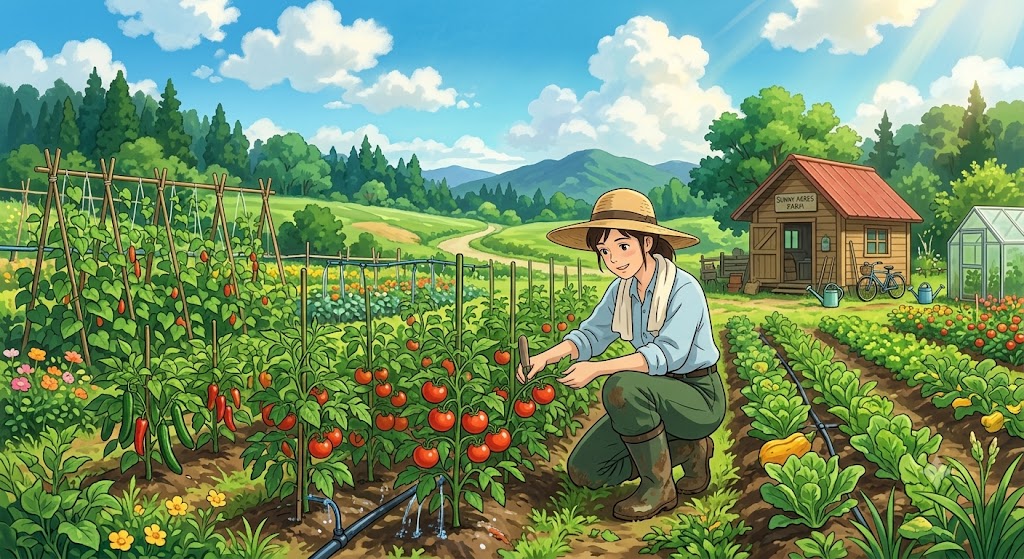
Extreme summer temperatures can create significant challenges for farmers. Prolonged heat waves, intense sunlight, high evaporation rates, and limited water availability often place crops under considerable stress, reducing growth, lowering yields, and affecting overall crop quality. As climate variability increases in many regions, managing crops effectively during hot weather has become an essential skill for modern agricultural producers.
While extreme summer conditions can threaten productivity, proper planning and management strategies can help crops remain healthy and productive. By focusing on water conservation, soil protection, heat-tolerant varieties, and timely field operations, farmers can reduce stress on their crops and improve harvest outcomes even during challenging weather conditions.
This guide explores practical strategies for managing crops successfully during periods of extreme summer heat.
Understanding Heat Stress in Crops
Heat stress occurs when temperatures rise beyond the optimal range for normal plant growth and development.
Excessive heat can affect:
- Photosynthesis
- Water uptake
- Flowering
- Pollination
- Fruit development
- Nutrient absorption
When heat stress becomes severe, crops may experience significant reductions in both yield and quality.
Understanding how crops respond to high temperatures is the first step toward effective management.
Common Effects of Extreme Summer Conditions
High temperatures can cause several problems within agricultural systems.
Common symptoms include:
- Wilting
- Leaf scorching
- Reduced growth
- Flower drop
- Poor fruit set
- Sunburn damage
- Premature maturity
These issues often become more severe when heat is combined with water shortages.
Early identification of stress symptoms allows farmers to take corrective action quickly.
Choose Heat-Tolerant Crop Varieties
Selecting suitable crop varieties is one of the most effective ways to improve summer performance.
Heat-tolerant varieties often provide:
- Better stress resistance
- Improved water-use efficiency
- Greater yield stability
Farmers should consult local recommendations and select varieties adapted to regional climate conditions.
Proper variety selection reduces production risks during hot weather.
Improve Soil Health Before Summer
Healthy soils help crops withstand environmental stress more effectively.
Soil health improvements may include:
- Compost application
- Organic matter incorporation
- Cover cropping
- Reduced tillage
Benefits include:
- Improved moisture retention
- Better root development
- Enhanced nutrient availability
Healthy soils act as natural buffers against heat and drought stress.
Maximize Soil Moisture Retention
Maintaining adequate soil moisture is critical during extreme heat.
Strategies include:
- Organic matter additions
- Mulching
- Reduced soil disturbance
- Cover crop residues
Moisture-retentive soils help plants maintain growth during hot conditions.
Reducing water loss improves crop resilience throughout the growing season.
Utilize Mulching Techniques
Mulching provides several important benefits during summer.
Advantages include:
- Reduced evaporation
- Lower soil temperatures
- Weed suppression
- Improved moisture conservation
Common mulch materials include:
- Straw
- Crop residues
- Compost
- Organic plant materials
Mulch creates a protective barrier that helps maintain favorable root-zone conditions.
Implement Efficient Irrigation Practices
Water management becomes especially important during extreme summer weather.
Effective irrigation strategies include:
Drip Irrigation
Delivers water directly to the root zone while minimizing losses.
Early Morning Irrigation
Reduces evaporation and improves water-use efficiency.
Soil Moisture Monitoring
Helps determine actual crop water requirements.
Efficient irrigation supports healthy growth while conserving water resources.
Avoid Overwatering
While water is essential, excessive irrigation can create additional problems.
Potential issues include:
- Nutrient leaching
- Root diseases
- Poor root development
Irrigation should be based on actual crop needs rather than fixed schedules alone.
Balanced water management improves both productivity and resource efficiency.
Protect Crops From Excessive Sun Exposure
Intense sunlight can damage sensitive crops.
Protective measures may include:
- Shade nets
- Windbreaks
- Protective structures
These tools help reduce leaf temperatures and minimize sunburn damage.
Shade protection is especially useful for high-value crops and vegetables.
Manage Nutrient Applications Carefully
Heat stress can influence nutrient uptake and crop metabolism.
Farmers should focus on:
- Balanced nutrition
- Timely fertilizer applications
- Soil testing
Avoiding excessive fertilizer applications during periods of severe stress helps prevent additional plant damage.
Healthy nutrition supports stronger stress tolerance.
Reduce Weed Competition
Weeds compete with crops for:
- Water
- Nutrients
- Sunlight
During summer heat, this competition becomes even more damaging.
Effective weed management helps ensure crops have access to limited resources.
Reducing weed pressure improves crop performance during stressful conditions.
Monitor Crop Health Regularly
Frequent field inspections are essential during extreme weather.
Farmers should monitor for:
- Wilting
- Nutrient deficiencies
- Pest activity
- Disease symptoms
- Moisture stress
Early detection allows problems to be addressed before significant losses occur.
Regular monitoring improves management decisions.
Adjust Planting Dates When Possible
Strategic planting schedules can help crops avoid the most severe heat periods.
Benefits may include:
- Improved establishment
- Better flowering conditions
- Reduced stress during sensitive growth stages
Planning crop calendars carefully helps improve overall productivity.
Timing is often an important component of climate adaptation.
Utilize Cover Crops and Residue Management
Crop residues and cover crops help protect soil from direct sunlight.
Benefits include:
- Reduced soil temperatures
- Improved moisture retention
- Enhanced organic matter
Protective ground cover supports healthier growing conditions during summer.
These practices contribute to both productivity and sustainability.
Support Strong Root Development
Deep and healthy root systems improve access to water and nutrients.
Practices that support root growth include:
- Soil health management
- Proper irrigation
- Balanced fertility
Strong roots improve a plant’s ability to withstand heat stress and drought conditions.
Healthy root systems are essential for summer resilience.
Manage Pests and Diseases Proactively
Extreme weather can influence pest and disease activity.
Some pests may become more active during hot conditions.
Integrated Pest Management strategies include:
- Monitoring
- Prevention
- Biological controls
- Targeted interventions
Maintaining healthy crops reduces vulnerability to secondary problems.
Preventive management is often more effective than reactive treatments.
Utilize Climate Monitoring Tools
Weather forecasts and monitoring systems help farmers prepare for extreme conditions.
Useful tools include:
- Weather applications
- Climate forecasting services
- On-farm weather stations
Benefits include:
- Improved planning
- Better irrigation scheduling
- Enhanced risk management
Accurate information supports proactive decision-making.
Build Long-Term Heat Resilience
Long-term adaptation strategies may include:
- Soil improvement
- Water conservation infrastructure
- Heat-tolerant crop varieties
- Diversified cropping systems
Building resilience helps farms remain productive despite increasing weather variability.
Preparation is often more effective than emergency responses.
Economic Benefits of Effective Summer Management
Managing crops successfully during extreme heat can result in:
- Higher yields
- Better crop quality
- Reduced losses
- Improved resource efficiency
- Greater profitability
Protecting crops during stressful conditions helps preserve farm income and productivity.
Creating a Summer Crop Management Plan
An effective strategy may include:
- Heat-tolerant variety selection
- Soil health improvement
- Efficient irrigation management
- Mulching and moisture conservation
- Weed control
- Climate monitoring
- Regular crop inspections
Combining these practices creates a comprehensive approach to summer crop management.
Conclusion
Extreme summer conditions present significant challenges for agricultural producers, but careful planning and effective management can greatly reduce their impact. By focusing on soil health, water conservation, heat-tolerant varieties, efficient irrigation, and proactive monitoring, farmers can help crops remain productive even during periods of intense heat and drought.
As climate variability continues to influence agricultural production worldwide, successful summer management will become increasingly important. Farmers who invest in resilience-building strategies today will be better equipped to maintain productivity, protect crop quality, and achieve long-term success in the face of challenging environmental conditions.