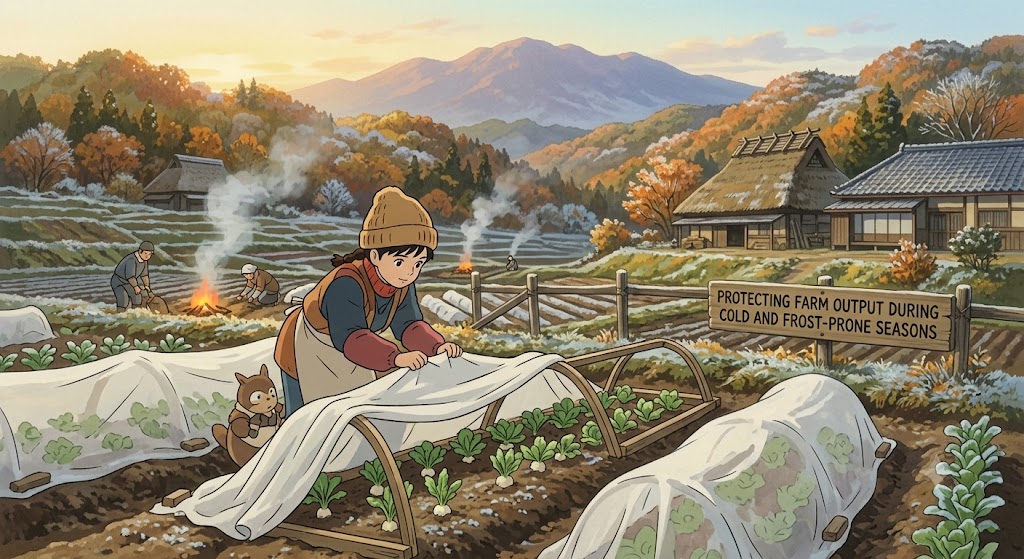
Cold temperatures and frost events can pose serious challenges to agricultural production. While many crops thrive during cooler months, unexpected frost, prolonged cold spells, and freezing conditions can damage plants, reduce yields, and affect overall crop quality. For farmers operating in frost-prone regions, effective cold-weather management is essential for maintaining productivity and protecting farm income.
Frost damage can occur within a single night, affecting flowers, fruits, leaves, and young plants. However, with proper planning, suitable crop selection, and protective farming practices, producers can significantly reduce risks and maintain strong agricultural performance throughout cold seasons.
This guide explores practical strategies that help farmers protect crops and preserve farm output during cold and frost-prone periods.
Understanding Frost and Cold Stress
Frost occurs when temperatures near the ground fall low enough for ice crystals to form on plant surfaces.
Cold stress can affect crops by:
- Damaging plant tissues
- Reducing growth rates
- Interrupting flowering
- Lowering fruit quality
- Delaying crop development
Different crops vary greatly in their ability to tolerate cold conditions.
Understanding crop sensitivity is essential for effective frost protection planning.
Why Frost Protection Matters
Frost damage can result in significant agricultural losses.
Potential impacts include:
- Reduced yields
- Lower product quality
- Increased production costs
- Delayed harvests
- Market supply disruptions
Protecting crops during vulnerable growth stages helps preserve profitability and production stability.
Prevention is often more effective and less expensive than recovering from severe frost damage.
Choose Cold-Tolerant Crop Varieties
One of the most effective risk management strategies is selecting varieties adapted to local conditions.
Cold-tolerant varieties often provide:
- Better survival rates
- Improved growth during cool weather
- Greater yield stability
Farmers should consult regional recommendations and choose varieties suited to expected winter conditions.
Proper variety selection reduces vulnerability to temperature fluctuations.
Understand Local Weather Patterns
Knowledge of local climate conditions helps farmers prepare for seasonal risks.
Important factors include:
- Historical frost dates
- Average winter temperatures
- Cold air drainage patterns
- Frequency of frost events
Understanding local conditions supports better planning and management decisions.
Weather awareness is a key component of successful cold-season farming.
Monitor Weather Forecasts Regularly
Modern forecasting tools provide valuable information for frost management.
Farmers should monitor:
- Overnight temperature predictions
- Frost warnings
- Wind conditions
- Humidity levels
Early warning allows protective measures to be implemented before damage occurs.
Timely preparation often makes a significant difference.
Improve Soil Health
Healthy soils help moderate temperature fluctuations around plant roots.
Practices that improve soil health include:
- Compost application
- Organic matter incorporation
- Cover cropping
- Reduced tillage
Benefits include:
- Better moisture retention
- Improved root development
- Enhanced plant resilience
Healthy soils support stronger crops during periods of environmental stress.
Maintain Adequate Soil Moisture
Moist soils retain heat more effectively than dry soils.
Benefits of proper moisture management include:
- Improved temperature stability
- Reduced frost severity near the soil surface
Farmers should ensure crops have adequate moisture before expected frost events.
Balanced irrigation can contribute to frost protection.
Utilize Mulching Techniques
Mulching helps insulate the soil and protect root systems.
Common mulch materials include:
- Straw
- Crop residues
- Compost
- Organic plant matter
Benefits include:
- Temperature moderation
- Moisture conservation
- Improved soil health
Mulch can reduce stress on crops during cold periods.
Employ Row Covers and Protective Fabrics
Protective coverings create barriers between crops and cold air.
Options include:
- Floating row covers
- Frost blankets
- Agricultural fabrics
Benefits include:
- Increased air temperatures around plants
- Reduced frost exposure
- Improved protection for young crops
These materials are particularly useful for vegetables and specialty crops.
Use Low Tunnels and High Tunnels
Protected cultivation structures help extend growing seasons and reduce frost risks.
Advantages include:
- Temperature protection
- Wind reduction
- Improved crop quality
Low tunnels and high tunnels are commonly used for:
- Vegetables
- Berries
- Specialty crops
These structures provide effective protection against moderate frost events.
Greenhouse Production Systems
Greenhouses offer one of the highest levels of protection from cold weather.
Benefits include:
- Controlled environments
- Year-round production opportunities
- Reduced weather-related risks
Although requiring greater investment, greenhouses can significantly improve production reliability.
Protected cultivation is increasingly important in regions with unpredictable weather.
Improve Air Circulation
Cold air tends to settle in low-lying areas.
Strategies to improve airflow include:
- Proper field design
- Vegetation management
- Wind machine usage where appropriate
Improved air movement can reduce frost accumulation in certain situations.
Site management plays an important role in frost prevention.
Utilize Windbreaks Carefully
Windbreaks can protect crops from harsh winter winds.
Benefits include:
- Reduced wind damage
- Improved microclimates
- Lower moisture loss
However, windbreak placement should be planned carefully to avoid trapping cold air in sensitive areas.
Proper design maximizes protective benefits.
Delay Planting When Appropriate
Timing can help reduce frost exposure.
Adjusting planting schedules may:
- Avoid vulnerable growth stages during high-risk periods
- Improve crop establishment
Farmers should consider local frost patterns when planning seasonal production.
Strategic timing reduces unnecessary risk.
Protect Flowering and Fruiting Crops
Many crops are most vulnerable during flowering and fruit development.
Sensitive crops may require:
- Additional coverings
- Temporary heating systems
- Enhanced monitoring
Protecting reproductive stages is often critical for preserving yields.
Even brief frost exposure can significantly affect crop production.
Use Irrigation for Frost Protection
In some situations, irrigation can help reduce frost damage.
Methods may include:
- Overhead sprinkler systems
- Controlled water applications
As water freezes, it releases heat that can help protect plant tissues.
This technique requires careful management and sufficient water supplies.
Strengthen Plant Health
Healthy plants are generally more resilient to environmental stress.
Important practices include:
- Balanced nutrition
- Proper irrigation
- Disease prevention
- Soil health management
Strong crops are often better equipped to tolerate short periods of cold weather.
Preventive management improves overall resilience.
Diversify Farm Enterprises
Diversification can reduce the impact of frost-related losses.
Examples include:
- Multiple crop types
- Protected cultivation systems
- Livestock integration
Diversified farms often experience greater financial stability during challenging weather conditions.
Risk management remains an important component of successful agriculture.
Develop a Frost Response Plan
Every farm should have a clear plan for responding to frost events.
The plan may include:
- Weather monitoring procedures
- Protection equipment preparation
- Irrigation management strategies
- Labor coordination
- Emergency response measures
Preparedness improves response speed and effectiveness.
Long-Term Strategies for Cold-Season Success
Building resilience involves:
- Selecting appropriate varieties
- Investing in protective infrastructure
- Improving soil health
- Monitoring weather conditions
- Implementing risk management practices
Long-term planning helps reduce vulnerability to future frost events.
Economic Benefits of Frost Protection
Effective cold-weather management can result in:
- Higher yields
- Better crop quality
- Reduced losses
- Greater production reliability
- Improved profitability
Protecting crops during vulnerable periods helps preserve farm income and market opportunities.
Conclusion
Cold weather and frost present significant risks to agricultural production, but proactive management can greatly reduce their impact. Through careful planning, suitable crop selection, protective structures, soil health improvement, weather monitoring, and effective frost-response strategies, farmers can protect crops and maintain productivity during challenging winter conditions.
As climate variability continues to influence agricultural systems, effective frost protection will remain an essential component of successful farm management. Farmers who invest in preventive measures and long-term resilience strategies are better positioned to safeguard yields, improve profitability, and achieve consistent production results year after year.