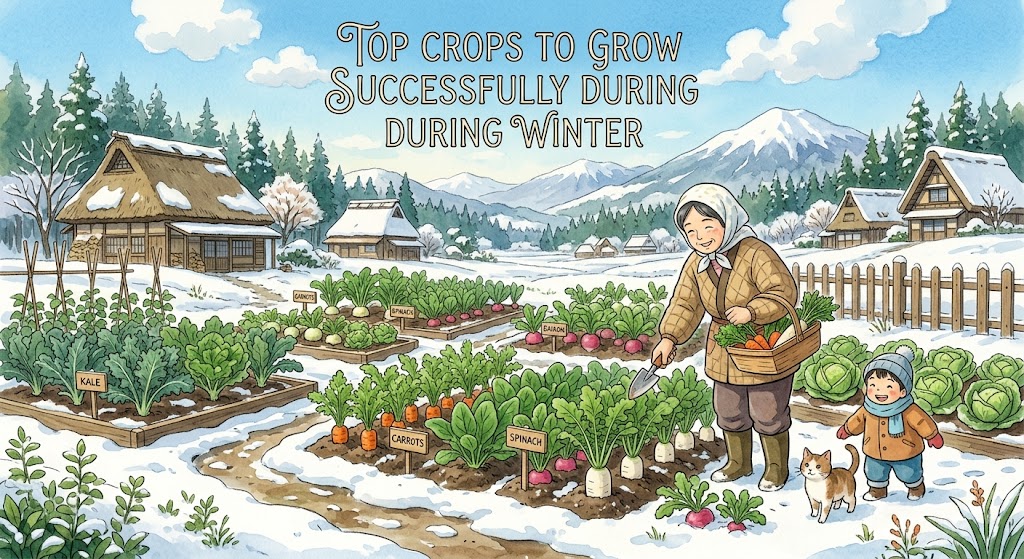
Winter changes the rhythm of farming. Cooler temperatures, shorter days, and slower evaporation create growing conditions that are completely different from summer. While some crops struggle in cold weather, many vegetables, cereals, and legumes actually thrive during this season. Farmers who understand these seasonal differences can turn winter into one of the most productive periods of the year.
Growing winter crops successfully is not simply about planting seeds after the temperature drops. It requires selecting suitable varieties, preparing fertile soil, managing irrigation carefully, and protecting crops from frost when necessary. With the right planning, winter farming can deliver high-quality produce, stable yields, and attractive market returns.
Whether you are managing a small vegetable garden or a commercial farm, understanding which crops perform best during winter is the first step toward a successful harvest.
Why Winter Is an Excellent Growing Season
Many farmers appreciate winter because cooler temperatures reduce stress on certain crops.
Winter farming often provides:
- Better crop quality
- Reduced water evaporation
- Lower weed pressure
- Improved vegetable flavor
- Fewer insect problems for some crops
- Consistent market demand
These conditions create excellent opportunities for profitable crop production.
Wheat
Wheat remains one of the most important winter cereal crops in many parts of the world.
It performs well under cool temperatures and produces stable yields when managed properly.
Why Farmers Grow Wheat
- High market demand
- Reliable production
- Suitable for large farms
- Important food crop
Proper soil preparation and balanced fertilization contribute to better grain quality.
Spinach
Spinach grows exceptionally well during cool weather.
Its rapid growth and nutritional value make it one of the most popular winter vegetables.
Major benefits include:
- Fast harvesting
- Strong consumer demand
- Continuous leaf production
- Rich nutritional content
Regular harvesting encourages fresh leaf growth.
Carrots
Carrots develop excellent flavor and texture in cool temperatures.
They are widely grown for:
- Fresh markets
- Food processing
- Home consumption
- Storage
Well-drained, loose soil supports proper root development.
Cabbage
Cabbage thrives in cool climates and remains an important commercial vegetable.
Farmers value cabbage because it offers:
✔ High productivity
✔ Good shelf life
✔ Strong retail demand
✔ Processing opportunities
Healthy seedlings establish quickly in favorable winter conditions.
Peas
Peas are ideal for winter cultivation because they prefer moderate temperatures.
Advantages include:
- Nitrogen fixation
- High nutritional value
- Fresh and processed markets
- Soil improvement
They also contribute to sustainable crop rotation systems.
Cauliflower
Cauliflower produces compact, high-quality heads when temperatures remain cool.
Commercial growers appreciate:
- Premium market value
- Strong demand
- Excellent eating quality
- Reliable winter production
Maintaining consistent soil moisture supports healthy head development.
Broccoli
Broccoli is another cool-season crop that performs best during winter.
Consumers increasingly purchase broccoli because of its nutritional benefits.
Benefits include:
- Premium pricing
- High vitamin content
- Restaurant demand
- Export opportunities in some regions
Proper spacing improves head formation.
Garlic
Garlic requires a relatively long growing period and develops well during cooler months.
Farmers grow garlic because of:
- Strong market demand
- Good storage life
- High commercial value
- Multiple culinary uses
Healthy seed cloves produce stronger plants.
Onions
Winter onion production supplies both fresh markets and processing industries.
Advantages include:
- Stable demand
- Good storage potential
- Wide culinary use
- Strong commercial opportunities
Balanced fertilization supports bulb development.
Mustard
Mustard is widely cultivated for both leafy vegetables and oilseed production.
It performs well under cool weather and provides:
- Multiple market opportunities
- High nutritional value
- Good adaptability
- Crop diversification benefits
Many farmers include mustard in winter crop rotations.
Comparing Popular Winter Crops
| Crop | Cold Tolerance | Market Demand | Profit Potential |
|---|---|---|---|
| Wheat | High | Very High | High |
| Spinach | High | High | Good |
| Carrots | High | High | Good |
| Cabbage | High | Very High | High |
| Peas | Moderate | High | Good |
| Cauliflower | High | Premium | High |
| Broccoli | High | Premium | Very High |
| Garlic | High | Very High | High |
| Onions | Moderate | High | High |
| Mustard | High | Good | Good |
Preparing Fields for Winter Crops
Healthy crops begin with healthy soil.
Before planting:
- Remove previous crop residues.
- Test soil fertility.
- Add compost or organic manure.
- Prepare fine seedbeds.
- Ensure proper drainage.
- Repair irrigation systems.
Good field preparation improves germination and root development.
Managing Water During Winter
Winter crops usually require less frequent irrigation than summer crops.
However, farmers should still monitor:
- Soil moisture
- Rainfall
- Crop growth stage
- Drainage after heavy rain
Balanced irrigation prevents both drought stress and waterlogging.
Protect Crops From Frost
In colder regions, frost can damage sensitive crops.
Protective measures include:
- Using row covers
- Applying organic mulch
- Irrigating before severe frost events where appropriate
- Choosing frost-tolerant varieties
- Improving field drainage
Preparation helps reduce weather-related losses.
Common Winter Farming Mistakes
Avoid these common problems:
- Delayed planting
- Poor drainage
- Excessive irrigation
- Ignoring soil fertility
- Overcrowding plants
- Delayed harvesting
Careful management often makes the difference between average and excellent yields.
Building a Profitable Winter Cropping Plan
Rather than growing only one crop, many successful farmers combine several complementary crops.
For example:
- Wheat
- Broccoli
- Spinach
- Carrots
- Garlic
Diversification spreads financial risk while creating multiple income opportunities throughout the season.
Future Trends in Winter Farming
Agriculture continues adapting to changing climate conditions.
Emerging developments include:
- Climate-resilient crop varieties
- Precision irrigation
- Smart weather forecasting
- Protected cultivation
- Digital farm monitoring
- Sustainable soil management
These innovations help farmers improve productivity while conserving natural resources.
Final Thoughts
Winter offers excellent opportunities for farmers willing to select crops suited to cooler temperatures and manage them carefully. Wheat, spinach, carrots, cabbage, peas, cauliflower, broccoli, garlic, onions, and mustard are among the most dependable crops for winter cultivation because they combine strong market demand with reliable field performance.
Success during the winter season depends on early planning, healthy soil, proper irrigation, frost protection when necessary, and timely harvesting. By combining good farming practices with smart crop selection, farmers can enjoy productive harvests, improved crop quality, and stronger profits throughout the cooler months.
Frequently Asked Questions
1. Which crop grows best during winter?
Spinach, cabbage, broccoli, carrots, peas, garlic, and wheat are among the most successful winter crops because they thrive in cool temperatures.
2. Why are winter vegetables often higher in quality?
Cooler weather allows many vegetables to develop better flavor, texture, color, and nutritional value while reducing heat-related stress.
3. How can farmers protect winter crops from frost?
Using row covers, mulch, frost-tolerant varieties, proper irrigation management, and good field drainage helps reduce frost damage.
4. Do winter crops require less irrigation?
Yes. Cooler temperatures reduce evaporation, so many winter crops need less frequent watering than summer crops.
5. Is winter farming profitable?
Yes. By selecting high-demand crops, maintaining healthy soil, and managing fields carefully, farmers can achieve excellent yields and attractive market returns during the winter season.