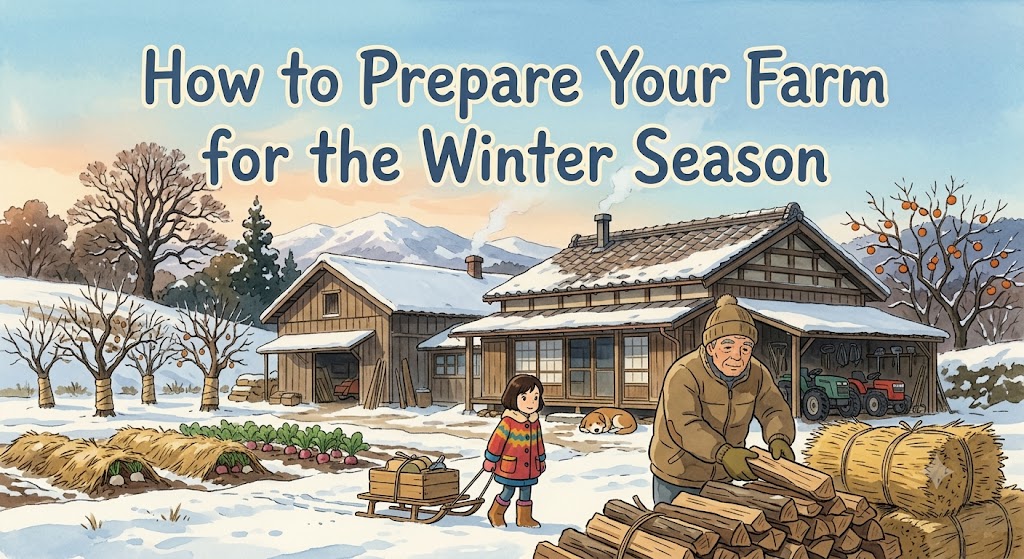
A successful winter harvest doesn’t begin on the first cold morning—it begins weeks before the season arrives. The decisions farmers make during this preparation period often determine whether winter becomes a season of healthy crops and steady profits or one filled with preventable problems.
As temperatures drop and weather patterns change, every part of the farm requires attention. Soil conditions shift, irrigation needs decrease, equipment faces different workloads, and livestock require additional protection. Preparing for these changes helps farmers reduce risks while making the most of the cooler growing season.
Whether you manage a vegetable farm, grain fields, orchards, or a mixed farming operation, taking the time to prepare before winter arrives can improve productivity, reduce maintenance costs, and protect valuable farm resources.
Start With a Complete Farm Inspection
Before making improvements, walk through the entire farm and evaluate its current condition.
Pay attention to:
- Crop fields
- Irrigation systems
- Farm buildings
- Storage facilities
- Equipment
- Livestock shelters
- Drainage channels
A careful inspection helps identify small problems before they become expensive repairs during winter.
Improve Soil Before Planting Begins
Healthy soil supports healthy crops throughout the winter season.
Instead of waiting until planting day, prepare the soil in advance.
Recommended practices include:
- Adding compost
- Incorporating well-rotted manure
- Testing soil fertility
- Correcting pH if needed
- Breaking compacted soil
- Removing stones and debris
Good soil preparation encourages strong root development and better nutrient availability.
Remove Crop Residues Wisely
Fields often contain leftover plant material after harvest.
While some residues can be composted or used as mulch, diseased plant material should be removed to reduce the risk of pests and diseases carrying over into the next season.
Proper residue management helps create a cleaner growing environment.
Service Irrigation Systems
Winter crops usually require less water than summer crops, but irrigation systems should still operate efficiently.
Before planting:
- Check pumps
- Repair leaking pipes
- Clean filters
- Inspect sprinklers or drip lines
- Test water flow
Well-maintained irrigation equipment saves both water and labor during the season.
Prepare for Heavy Rainfall
Some regions experience increased rainfall during winter.
Poor drainage may lead to:
- Waterlogged soil
- Root diseases
- Nutrient loss
- Delayed field operations
Reduce these risks by:
- Cleaning drainage ditches
- Repairing field channels
- Removing blockages
- Leveling uneven areas where water collects
Healthy drainage protects crop roots.
Select Crops That Match Local Conditions
Winter success begins with choosing crops suited to your climate.
Popular winter crops include:
- Wheat
- Barley
- Spinach
- Broccoli
- Cabbage
- Carrots
- Garlic
- Peas
- Onions
- Mustard
Selecting locally adapted varieties increases the likelihood of healthy growth.
Organize Seeds and Planting Materials
Before planting starts, ensure all essential materials are ready.
Check:
✔ Seed quality
✔ Germination rate
✔ Storage conditions
✔ Planting schedules
✔ Availability of replacement seed if needed
Starting with healthy planting material reduces the risk of uneven crop establishment.
Prepare Farm Equipment
Winter field work becomes easier when machinery is serviced in advance.
Inspect:
- Tractors
- Seed drills
- Tillers
- Harvesting tools
- Sprayers
- Hand equipment
Regular maintenance improves reliability and reduces unexpected breakdowns.
Protect Livestock From Cold Weather
Mixed farms should also prepare animals for winter.
Important steps include:
- Repairing shelters
- Providing dry bedding
- Protecting water supplies from freezing where necessary
- Ensuring adequate ventilation
- Increasing feed where appropriate
Healthy livestock remain more productive during colder months.
Review Pest and Disease Risks
Although some pests become less active in winter, others remain a concern.
Prepare by:
- Cleaning storage areas
- Removing weeds
- Monitoring previous disease hotspots
- Planning integrated pest management strategies
Preventive action is usually more effective than emergency treatment.
Strengthen Farm Storage Facilities
Harvested crops, seeds, fertilizers, and equipment require proper protection during winter.
Storage buildings should be:
- Dry
- Clean
- Well ventilated
- Protected from rodents
- Organized for easy access
Good storage preserves product quality and reduces waste.
Plan Labor and Farm Activities
Winter work often follows a different schedule than summer farming.
Prepare a seasonal plan covering:
| Farm Activity | Suggested Preparation |
|---|---|
| Soil preparation | Complete before planting |
| Seeding | Follow recommended planting windows |
| Irrigation | Adjust to cooler weather |
| Pest monitoring | Inspect regularly |
| Harvest planning | Organize labor and storage |
Planning reduces confusion during busy periods.
Keep Accurate Farm Records
Successful farms learn from previous seasons.
Review records including:
- Crop yields
- Fertilizer use
- Irrigation schedules
- Weather conditions
- Disease outbreaks
- Production costs
These records help improve future decision-making.
Mistakes to Avoid Before Winter
Many farmers experience avoidable losses because of poor preparation.
Common mistakes include:
- Delaying field preparation
- Ignoring drainage problems
- Planting poor-quality seed
- Neglecting equipment maintenance
- Failing to inspect livestock housing
- Overlooking storage conditions
Addressing these issues before winter saves both time and money.
Prepare for Long-Term Climate Changes
Weather patterns continue changing in many agricultural regions.
Modern farms increasingly invest in:
- Climate-resilient crop varieties
- Water conservation systems
- Precision weather monitoring
- Sustainable soil management
- Diversified cropping systems
Preparing for future conditions improves long-term farm resilience.
Final Thoughts
Preparing a farm for winter is much more than getting ready for colder weather. It is a complete process that includes improving soil, servicing irrigation systems, selecting suitable crops, protecting livestock, maintaining equipment, strengthening storage facilities, and planning seasonal operations. Farmers who prepare early often experience smoother field management, healthier crops, lower production risks, and better overall productivity.
Rather than reacting to winter challenges after they appear, proactive preparation allows farms to operate more efficiently throughout the season. With careful planning and consistent management, winter can become one of the most productive and rewarding periods of the agricultural year.
Frequently Asked Questions
1. Why is winter farm preparation important?
Preparing before winter helps improve soil health, protect crops and livestock, reduce production risks, and increase overall farm efficiency.
2. What should farmers inspect before winter begins?
Fields, irrigation systems, drainage channels, farm buildings, storage facilities, machinery, and livestock shelters should all be inspected carefully.
3. Which crops are commonly planted during winter?
Wheat, barley, spinach, cabbage, broccoli, carrots, peas, garlic, onions, and mustard are among the most popular winter crops.
4. How can farmers protect their fields from heavy winter rainfall?
Maintaining proper drainage, cleaning channels, leveling fields, and preventing waterlogging help protect crops during wet conditions.
5. What is the biggest advantage of preparing a farm early?
Early preparation reduces unexpected problems, improves productivity, protects valuable resources, and creates better conditions for healthy crop growth throughout the winter season.