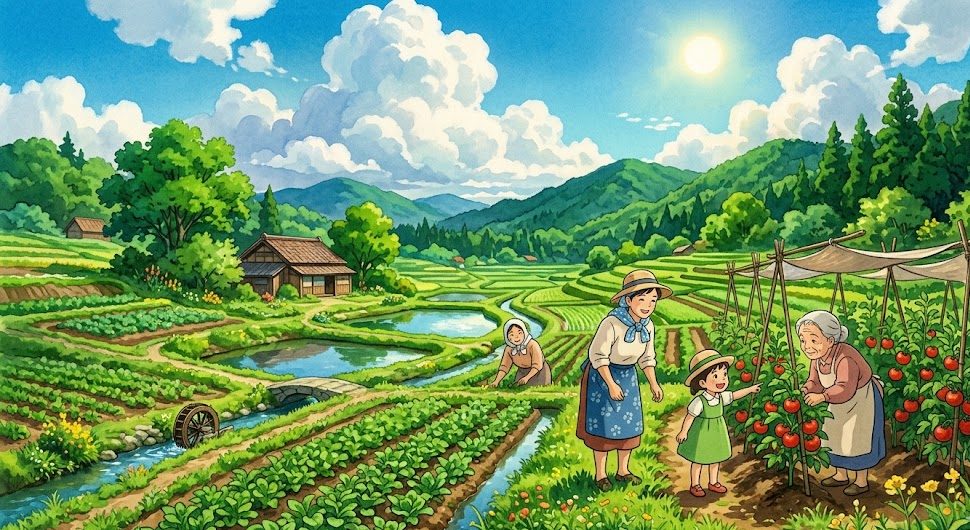
Summer brings with it the promise of growth and abundance, but for the agricultural sector, it also presents a formidable adversary: the intense heat. As temperatures soar, the delicate balance of plant physiology can be disrupted, leading to stunted growth, yield loss, and, in extreme cases, total crop failure.
To turn the tide in your favor, a strategic approach to summer crop management is not just an advantage—it is a necessity. This guide outlines the essential pillars of maintaining a thriving farm during the hottest months of the year.
1. Mastering Water Management: The Lifeblood of Summer
Water is the most critical factor during the summer months. Excessive heat increases the rate of evapotranspiration, meaning plants lose water faster than they can absorb it.
- Implement Drip Irrigation: Unlike overhead sprinklers that lose much of their water to evaporation, drip irrigation delivers water directly to the root zone. This minimizes water loss and keeps foliage dry, reducing the risk of fungal diseases.
- Optimize Irrigation Timing: Water your crops during the early morning (before 8 AM) or late evening (after sunset). This allows the water to soak deep into the soil profile before the day’s heat causes rapid evaporation.
- Prioritize Mulching: Apply a layer of organic mulch—such as straw, wood chips, or dried leaves—around the base of your plants. Mulch acts as a thermal barrier, keeping the soil cool, retaining moisture, and suppressing weeds that compete for nutrients.
2. Soil Health: The Foundation of Resilience
Healthy, nutrient-rich soil is better equipped to handle stress. If your soil structure is compromised, your plants will be the first to suffer under a heatwave.
- Increase Organic Matter: Incorporate compost and well-rotted manure into your soil before the summer season peaks. High organic matter content improves soil porosity and water-holding capacity, acting like a sponge that releases moisture to plants as needed.
- Prevent Soil Compaction: Avoid working the soil when it is too dry, as this can destroy soil structure. Use cover crops in the off-season to keep soil protected and maintain microbial activity.
3. Protective Strategies: Shielding Crops from Solar Stress
Just like humans, plants can suffer from “sunburn.” Excessive solar radiation can damage leaves, scorch fruits, and increase the internal temperature of the plant.
- Use Shade Cloths: For sensitive crops like tomatoes, peppers, and leafy greens, installing shade netting (typically providing 30% to 50% shade) can significantly lower ambient temperatures around the plant canopy.
- Strategic Intercropping: Use taller, robust crops (like corn or sunflowers) to provide natural dappled shade for lower-growing, heat-sensitive plants. This multi-layered approach maximizes land use and provides a microclimate buffer.
- Foliar Nutrition: Applying seaweed-based extracts or calcium-based foliar sprays can help strengthen cell walls and increase plant resistance to heat stress.
4. Selection and Planning: Choosing the Right Warriors
The most effective way to beat the heat is to work with nature, not against it.
- Select Heat-Tolerant Varieties: Invest in seeds specifically bred for high-temperature resilience. These varieties often have deeper root systems, thicker leaves, or mechanisms to keep their stomata open longer under stress.
- Adjust Planting Schedules: In regions with extreme heat, it is often wise to avoid the “peak” weeks of the hottest month. Plan your planting cycles to ensure the most vulnerable growth stages of your crop occur either before or after the most intense heatwaves.
5. Monitoring and Proactive Care
A successful farmer is a vigilant observer. By catching signs of stress early, you can intervene before irreversible damage occurs.
- Monitor for Pests: Heat often triggers population explosions in pests like aphids, spider mites, and whiteflies. These insects thrive in dry, dusty conditions. Regular scouting and integrated pest management (IPM) are vital.
- Recognize Early Wilting: If you see your crops wilting during the day, this is often a natural defensive mechanism to reduce water loss. However, if they remain wilted in the early morning, it is a clear signal that your soil moisture levels are insufficient and immediate action is required.
Final Thoughts: Building a Resilient Future
Successful summer farming is a game of mitigation. By managing moisture, protecting the soil, providing shade, and selecting the right plant genetics, you can create a microclimate that allows your crops to flourish even when the mercury rises.
Remember, every summer season provides data. Keep a log of which techniques worked best for your specific soil type and crop variety. Continuous learning and adaptation are the keys to long-term agricultural success in an ever-warming world. Stay proactive, keep your soil covered, and watch your harvest thrive despite the heat.