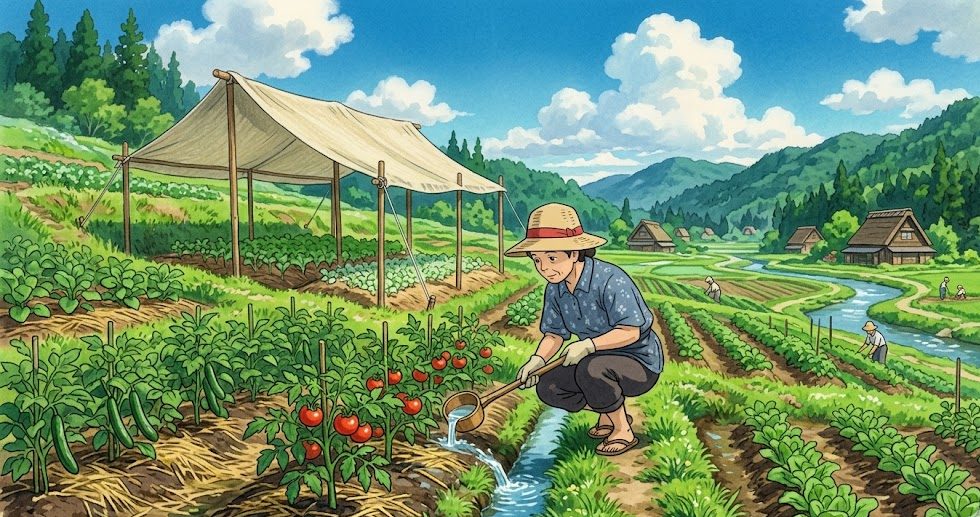
For generations, summer was welcomed by farmers as a season of peak growth, abundant sunlight, and vibrant harvests. However, in recent years, rising global temperatures have transformed summers into a period of extreme climate anxiety. Intense heatwaves, plunging water tables, and prolonged periods of drought are becoming the new normal.
When ambient temperatures cross a crop’s comfort threshold, plants experience severe thermal stress. Photosynthesis slows down, blossoms drop prematurely, evaporation strips the soil of every drop of moisture, and final crop yields can plummet by over 50%.
To survive the harshest months of the year, modern agriculture must shift from reactive management to proactive protection. Here is a practical, science-backed guide on how to protect your crops from extreme heat and safeguard your farm against drought.
1. Upgrade to Precision Smart Irrigation
When a drought hits, water becomes a luxury asset. Traditional flood irrigation—where water is pumped across open fields—is highly inefficient during summer. Up to 40% to 50% of that water evaporates into the hot air before it ever reaches the plant roots.
Subsurface Drip Irrigation (SDI)
To combat extreme evaporation, switch to subsurface drip irrigation. This system features porous tubes buried several inches beneath the soil crust. Water and liquid nutrients are delivered directly to the root zone, keeping the surface soil dry. This not only saves immense volumes of water but also prevents weed seeds from germinating.
Thermal Shock Management (Irrigation Timing)
Never water your fields during the absolute peak heat of the afternoon (12:00 PM to 4:00 PM). Dropping cold water onto scorching hot plants can induce severe thermal shock, damaging fragile root tissues. Instead, automate your irrigation cycles to run during the early morning hours (4:00 AM to 7:00 AM) or late evening, allowing plants to absorb moisture efficiently before the sun begins to bake the ground.
2. Deploy the Dual Shield: Mulching and Cover Crops
Bare soil is defenseless against summer heat. When direct sunlight hits uncovered earth, the soil temperature can easily rocket past 45°C, effectively sterilizing the topsoil and killing off the beneficial microbes that keep plants alive.
Bare Soil + Noon Sun = Microbial Die-off & Rapid Evaporation
Organic Mulch Shield = Cool Root Zone & 70% Moisture Retention
Organic Mulching
Applying a thick, 3-to-4-inch layer of organic mulch (such as wheat straw, dry grass clippings, shredded leaves, or wood chips) acts as a literal sunshield for your ground.
- The Benefits: It lowers soil temperatures by up to 10°C, cuts down evaporation losses by 70%, and slowly breaks down into rich organic matter over time.
Living Cover Crops
If you have fallow patches of land during summer, never leave them bare. Plant heat-tolerant cover crops like cowpeas, sunn hemp, or pearl millet. These living roots hold the soil matrix together, preventing wind erosion while creating a cooler micro-climate across your fields.
3. Install Shade Netting and Micro-Sprinklers
For high-value cash crops like colored capsicum, tomatoes, or delicate leafy greens, open-field summer exposure can cause severe fruit scorch—a condition where direct UV radiation creates bleached, unsellable spots on the produce.
- Agro-Shade Nets: Installing temporary or permanent 30% to 50% green/black shade nets over vulnerable crop rows filters out harsh, burning solar radiation while letting in enough light for healthy photosynthesis.
- Micro-Sprinklers / Misters: Setting up automated overhead misters inside your shade structures can lower the ambient temperature around the plant canopy by 5°C to 8°C. Running these misters for just 2 to 3 minutes during peak heat creation provides immediate evaporative cooling, keeping the plants from wilting.
4. Focus on Potassium and Soil Organics
Protecting crops from heat isn’t just an external battle; it is also a chemical and biological balance within the plant itself.
- The Power of Potassium ($K$): Potassium is the element responsible for regulating the opening and closing of a plant’s stomata (the microscopic pores on leaves used for gas and water exchange). Applying an optimal dose of potassium before a heatwave hits allows the plant to close its stomata efficiently, locking in internal moisture and preventing dehydration.
- Humic and Fulvic Acids: Adding these organic compounds to your irrigation system increases the soil’s water-holding capacity. They behave like micro-sponges, retaining water molecules tightly within the root zone so plants can access moisture even during extended dry spells.
Summer Crop Protection Strategy Matrix
To help you plan your summer farm management budget effectively, here is a breakdown of how different protective measures perform:
| Protective Measure | Implementation Cost | Resource Target | Long-Term Sustainable Benefit |
| Subsurface Drip Irrigation | Medium to High | Water Conservation | Eliminates evaporation losses entirely |
| Thick Organic Mulching | Low to Medium | Soil Temperature | Protects microbial activity and cuts weed growth |
| 30%-50% Shade Netting | Medium | UV / Sunburn Protection | Prevents fruit scorch on premium crops |
| Early Morning Watering | Zero Cost (Operational) | Thermal Shock | Maximizes plant water uptake efficiency |
| Potassium & Amino Sprays | Low | Internal Plant Health | Strengthens cellular resistance against heat stress |
5. Transition to Heat-Tolerant, Deep-Rooted Varieties
If you are farming in a region where long, dry summers are guaranteed every year, it is time to reassess your seed selection. Continuing to plant water-guzzling, shallow-rooted crop varieties is a recipe for financial strain.
Invest heavily in drought-resilient hybrids or indigenous heirloom varieties that are naturally adapted to arid climates. Crops with deep taproot systems (like certain varieties of sorghum, millet, okra, and pigeon pea) can drill deep into lower subsoil layers to fetch water long after the topsoil has dried up completely.
Conclusion
We cannot stop summer heatwaves from arriving, but we can completely alter how our land and crops handle the thermal stress. Protecting your farm from extreme heat and drought requires a shift toward smart resource management.
By upgrading to drip systems, keeping the soil continuously covered with organic mulch, providing physical shade where needed, and boosting internal plant immunity, you can future-proof your agricultural business. The most profitable farms of tomorrow will not be those with the most water, but those that know how to protect and respect every single drop.