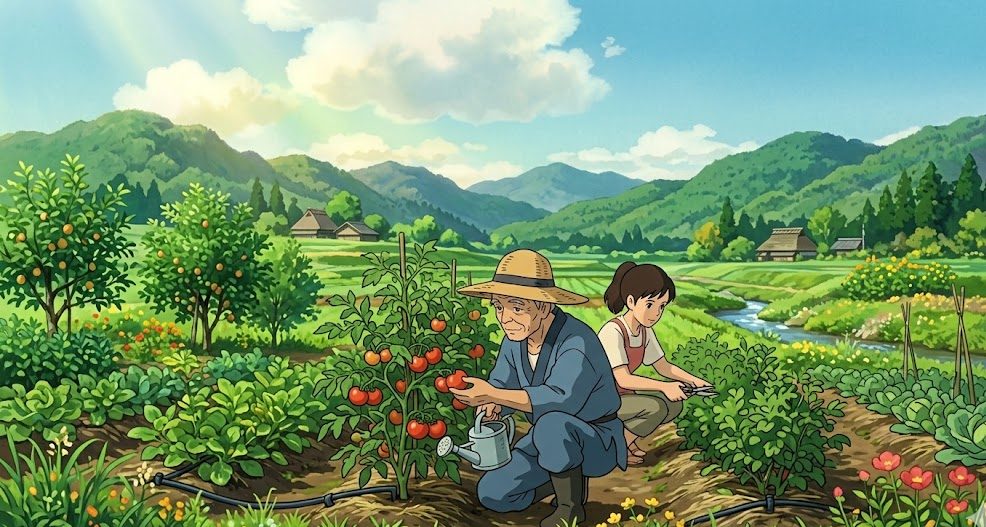
As global temperatures continue to climb, farmers are no longer just fighting the seasons; they are fighting a changing climate. Summer farming has shifted from a routine cycle of planting and harvesting into a high-stakes game of resource management and heat mitigation. To ensure a productive yield when the mercury rises, adopting a “climate-resilient” mindset is essential.
This guide explores the foundational strategies required to protect your crops, conserve your soil, and maintain profitability during the harshest months of the year.
1. Soil Health: The First Line of Defense
The secret to heat resistance isn’t in the plant itself, but in the ground beneath it. Healthy soil acts as a thermal buffer and a water reservoir.
- Mulching is Mandatory: Think of mulch as sunscreen for your soil. Applying organic matter like straw, wood chips, or dried grass clippings reduces soil surface temperatures by up to 10°C. It also prevents evaporation, keeping moisture where the roots can actually reach it.
- Cover Cropping: During the off-season or between rows, planting cover crops (like clover or cowpeas) prevents the sun from “baking” the soil biology. This keeps the microbial ecosystem alive, which is crucial for nutrient uptake during heat stress.
- Minimal Tillage: Turning the soil exposes deep moisture to the air, causing it to evaporate instantly. No-till or low-till methods keep the soil structure intact, allowing it to hold water like a sponge.
2. Precision Irrigation Management
In a heatwave, how you water is just as important as how much you water. Traditional overhead spraying is highly inefficient in summer, as a large percentage of water evaporates before it even hits the ground.
- Drip Irrigation: This is the gold standard for climate-resilient farming. By delivering water directly to the root zone, you minimize waste and prevent leaf diseases caused by wet foliage in high humidity.
- Timing the Intake: Always water in the early morning (4:00 AM to 8:00 AM). This allows plants to fully hydrate before the sun reaches its peak. Avoid evening watering if possible, as lingering moisture overnight can encourage fungal growth.
- Deep vs. Frequent: It is better to water deeply twice a week than to provide a light sprinkle every day. Deep watering encourages roots to grow further down into the cooler, moister layers of the earth.
3. Choosing Climate-Resilient Varieties
Not all crops are created equal. If your region is experiencing consistent heat spikes, it may be time to transition to “heat-tolerant” cultivars.
- Short-Season Varieties: Choosing crops with a shorter “days to maturity” cycle allows you to harvest before the most intense heat of late summer arrives.
- Native and Heirloom Species: Often, local heirloom varieties have evolved over centuries to handle the specific stressors of your geography.
- Heat-Set Tomatoes and Peppers: Look specifically for varieties labeled “heat-set,” which are bred to produce fruit even when nighttime temperatures remain high (a common cause of blossom drop in standard varieties).
4. Physical Protection: Shade and Airflow
When the sun becomes a liability, providing physical relief can save a crop that would otherwise wither.
- Shade Cloths: Installing 30% to 50% shade cloth can reduce ambient temperatures around the plant significantly. This is particularly vital for leafy greens like spinach or lettuce, which “bolt” (go to seed) and become bitter when overheated.
- Strategic Intercropping: Use taller, heat-loving crops (like corn or sunflowers) to provide natural “living shade” for shorter, more sensitive plants (like peppers or herbs).
- Ventilation: In greenhouse or high-tunnel setups, airflow is critical. Use fans or roll-up sides to ensure that hot air doesn’t become trapped, effectively cooking the plants.
5. Managing Nutrient Stress
Heat changes how plants “eat.” When a plant is stressed by temperature, its metabolic processes slow down, and its ability to transport nutrients via transpiration is impaired.
- Avoid High-Nitrogen Fertilizers: Rapid growth spurred by nitrogen is often “soft” and highly susceptible to heat damage. Stick to balanced or potassium-rich fertilizers during peak summer to strengthen cell walls.
- Seaweed and Kelp Extracts: These act as “biostimulants.” Foliar sprays containing kelp have been shown to help plants recover faster from abiotic stress (heat and drought) by boosting their internal antioxidant systems.
6. Pest and Disease Vigilance
Heat-stressed plants emit chemical signals that act like a dinner bell for pests. Furthermore, many pests—like spider mites and aphids—reproduce significantly faster in hot, dry conditions.
- Regular Scouting: Check the undersides of leaves daily. Catching an infestation early is the difference between a minor setback and a total loss.
- Integrated Pest Management (IPM): Encourage predatory insects (ladybugs, lacewings) by planting pollinator strips. A balanced ecosystem is more resilient than one dependent solely on chemical interventions.
Summary of Summer Resilience Strategies
| Strategy | Key Action | Benefit |
|---|---|---|
| Soil | Heavy Mulching | Reduces soil temp & saves water |
| Water | Drip Irrigation | Delivers moisture to roots; avoids evaporation |
| Crops | Heat-Tolerant Cultivars | Ensures fruit set during high heat |
| Protection | Shade Cloths | Prevents leaf burn and bolting |
| Nutrients | Kelp/Seaweed Extracts | Increases internal heat tolerance |
Export to Sheets
Conclusion: Adapting for the Future
Summer farming in the era of climate change requires a move away from “business as usual.” By focusing on soil moisture retention, precise water delivery, and protective infrastructure, farmers can mitigate the risks of extreme heat.
Resilience is not built in a single day; it is the result of consistent, small adjustments to your farming ecosystem. As the climate evolves, our methods must evolve with it—turning the challenge of a hot summer into an opportunity for innovation and sustainable growth.
Remember: A stressed farmer makes for stressed crops. Plan your heavy labor for the cooler parts of the day, stay hydrated, and let your resilient systems do the heavy lifting when the sun is at its peak.