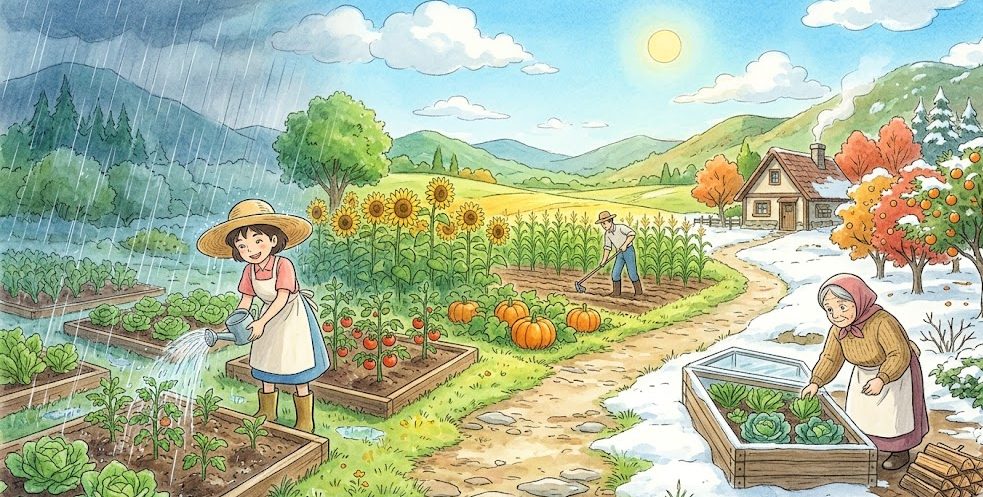
Achieving year-round farming success is the ultimate goal for modern growers. Whether you are managing a small homestead or a commercial enterprise, the ability to maintain consistent production regardless of the season is a hallmark of an efficient, profitable, and sustainable agricultural operation.
While seasonal transitions can be challenging, they also offer unique opportunities to diversify crops and optimize land use. This guide explores essential strategies for navigating the rainy, summer, and winter seasons to keep your fields productive throughout the year.
1. Mastering the Kharif Season (Rainy/Monsoon)
The rainy season is characterized by high moisture levels and warm temperatures. While this provides natural irrigation, it also presents challenges like waterlogging, soil erosion, and increased pest activity.
Indochem Agrovet
- Effective Water Management: Focus on ridge-and-furrow systems or raised beds to prevent water accumulation at the plant roots, which can lead to root rot. Indochem Agrovet
- Preventing Soil Erosion: Utilize cover crops or mulching materials to protect the topsoil from heavy rainfall. Indochem Agrovet
- Pest and Disease Control: High humidity makes crops vulnerable to fungal infections. Practice regular field scouting and utilize integrated pest management (IPM) techniques, such as neem-based sprays and pheromone traps, to address issues before they escalate. Indochem Agrovet
- Strategic Crop Selection: Choose varieties that are moisture-tolerant. Crops like paddy, maize, and certain millets thrive during this period and are well-adapted to high-rainfall patterns. AgriPlast
2. Thriving in the Summer (Zaid Season)
Summer is often a test of resilience for both the farmer and the crops. High temperatures and water scarcity require a shift in strategy toward conservation and heat-resistant practices.
- Precision Irrigation: This is the time to leverage micro-irrigation. Drip irrigation delivers water directly to the root zone, significantly reducing water waste compared to traditional flood irrigation. AgriPlast
- Heat Mitigation: Use shade nets for sensitive crops like cucurbits and leafy vegetables to protect them from scorching sun exposure. Indochem Agrovet
- Mulching for Moisture: Apply organic or plastic mulch to keep the soil cool and reduce the rate of evaporation. This preserves precious moisture for the plants during the hottest parts of the day. Lagos Business News
- Nutrient Management: High temperatures increase nutrient evaporation. Ensure your fertilization schedule is light but consistent, favoring methods that promote slow nutrient release. Indochem Agrovet
3. Optimizing the Rabi Season (Winter)
Winter brings cooler, drier conditions. While this period is ideal for many high-value crops, it requires careful timing and frost protection.
- Strategic Sowing Windows: Timing is everything in winter. For wheat, mustard, and chickpeas, planting during the optimal temperature window is crucial for maximizing yield.
- Frost Protection: In areas prone to extreme cold or frost, use row covers or greenhouses to maintain a stable micro-climate for temperature-sensitive crops.
- Balanced Fertilization: Since weed growth is typically slower in the winter, fertilizer application should be precise and based on soil testing. Avoid over-fertilization, as cold-stressed plants may have reduced nutrient uptake capacity. Indochem Agrovet
- Residue Management: Incorporating crop residues back into the soil can improve organic matter levels and help the soil retain heat and nutrients for the upcoming planting cycles.
The Foundation of Year-Round Productivity
Regardless of the season, three foundational practices will always be the pillars of a successful farm:
Soil Health and Testing
Never skip soil testing. Conducting a test at least once a year helps you understand the nutrient profile of your land. By knowing exactly what your soil needs, you can apply fertilizers efficiently, saving money and improving plant health simultaneously.
Indochem Agrovet+ 1
Crop Rotation and Intercropping
Avoid planting the same crop in the same field consecutively. Crop rotation breaks the life cycles of pests and diseases that are specific to certain plants. Similarly, intercropping—growing two or more crops in proximity—improves soil fertility (especially when legumes are involved) and maximizes land utilization.
AgriPlast
Technology Integration
Modern agriculture relies on data. Whether it is using a simple farm diary to track weather patterns or investing in basic sensors for soil moisture, tracking your progress allows you to make evidence-based decisions rather than relying on guesswork.
Conclusion
Year-round farming is not just about hard work; it is about smart planning and adaptive management. By understanding the unique environmental stressors of the rainy, summer, and winter seasons and implementing the right countermeasures—such as precision irrigation, proper soil testing, and consistent pest monitoring—you can transform your farm into a reliable, high-yield operation.
Sustainability starts with preparation. By building a resilient system today, you ensure a more profitable and secure agricultural future for your business.
Disclaimer: This article is for informational purposes. Always consult with local agricultural extension offices or experts regarding specific crop varieties and climatic conditions in your region to achieve the best results.