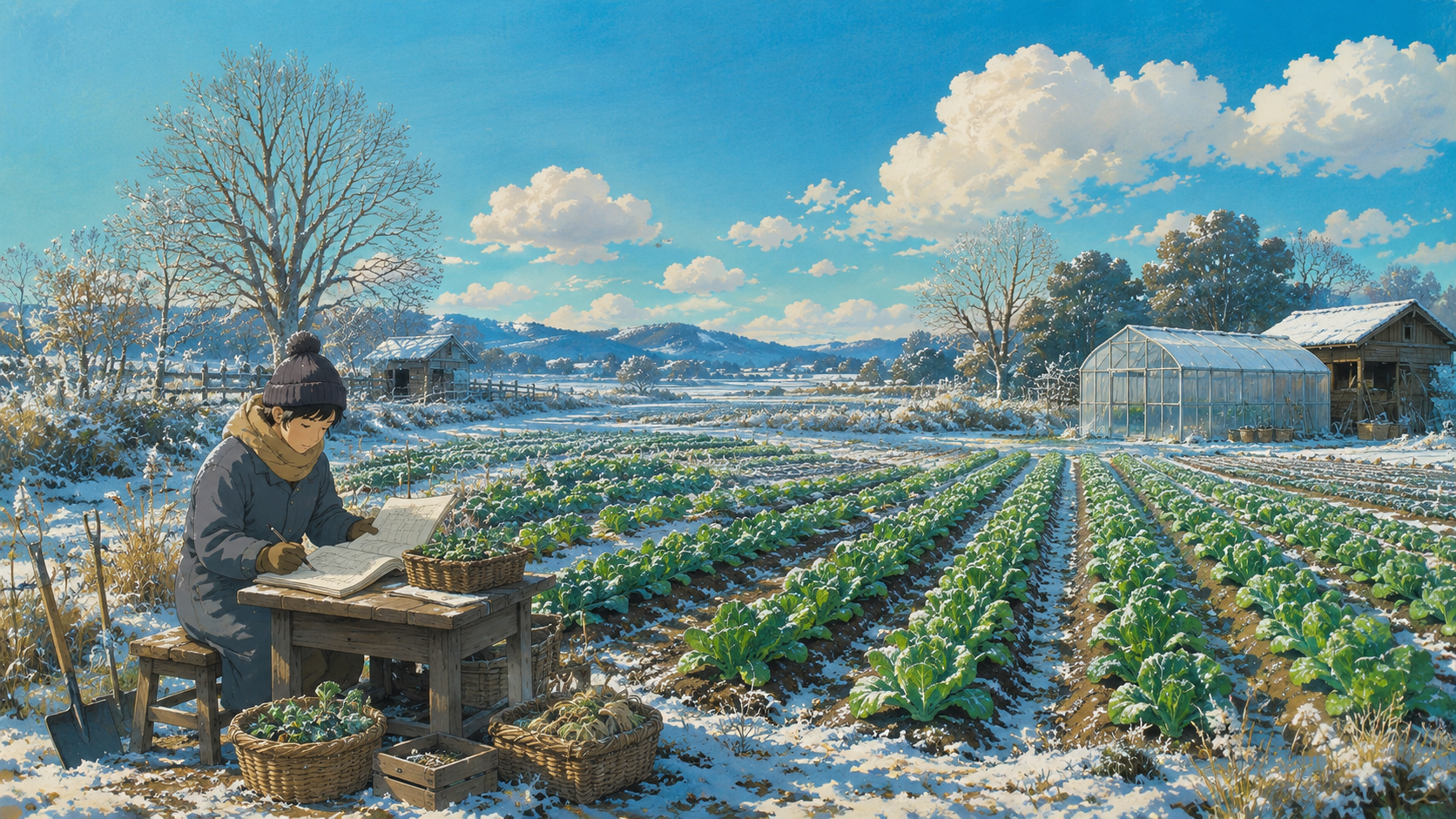
For a long time, the arrival of frost signaled the end of the farming season. Tractors were parked, fields were left bare, and growers simply waited for the spring thaw. However, this outdated approach ignores one of the most valuable windows in the agricultural calendar. Winter is not a dead season; it is a time of quiet growth, deep soil restoration, and untapped profit potential.
Modern, sustainable farming requires us to view the entire year as a continuous cycle. Allowing your land to sit empty and exposed to harsh winter winds degrades your soil quality and invites massive erosion. By actively managing your farm during the colder months, you protect your primary asset—the earth—while creating opportunities for early spring harvests and off-season cash flow.
Whether you are managing a large commercial operation or a dedicated small-scale farm, winter crop planning is the secret to a thriving, resilient agricultural business. This complete guide will walk you through everything you need to know to keep your farm productive, healthy, and protected through the coldest months of the year.
The Core Value of Winter Farming
Many growers hesitate to plant in the winter because they fear losing seeds to freezing temperatures. While it is true that winter farming requires different techniques than summer farming, the benefits far outweigh the risks.
First, winter farming is the ultimate defense against topsoil erosion. Heavy winter rains and snowmelt can wash away thousands of pounds of valuable topsoil per acre if the ground is left bare. Living plant roots hold the soil tightly in place. Second, winter farming drastically reduces your weed pressure. By maintaining a dense canopy of cold-hardy plants, you starve early spring weeds of the sunlight they need to germinate, saving you immense labor and chemical costs later in the year.
Finally, growing winter cash crops allows you to enter the market when supply is at its lowest. Fresh, locally grown greens and root vegetables command premium prices during the winter months, providing a reliable income stream when other farms have completely shut down.
Top Crops for Cold Weather
Success in winter farming depends entirely on selecting the right seed varieties. You cannot force a summer tomato to survive a frost, but many plants actively prefer the cold.
Robust Root Vegetables
Root crops are the champions of the winter farm. Carrots, turnips, and parsnips actually become sweeter after a frost. The cold temperatures trigger the plants to convert their stored starches into sugars, acting as a natural antifreeze. Harvesting these roots mid-winter provides a highly desirable, premium product for local markets.
Cold-Hardy Leafy Greens
Spinach, kale, and Swiss chard are incredibly resilient. With the protection of a simple low tunnel or agricultural fleece, these greens can survive freezing temperatures and continue producing fresh leaves. Winter spinach, in particular, is prized for its thick, crisp texture and deep flavor.
Winter Garlic and Onions
These are planted in the late fall, well before the ground freezes tight. They establish strong root systems underground during the winter, go dormant during the hardest freezes, and then explode with rapid growth at the first sign of spring. This allows for a massive, early summer harvest that clears the field just in time for your standard warm-weather cash crops.
Step-by-Step Guide: Preparing Your Farm for the Cold
Transitioning your farm from the summer heat to the winter freeze requires a systematic approach. Follow this step-by-step plan to secure your fields.
Step 1: Clear the Summer Debris Do not leave dead, rotting summer plants in the field. Old tomato vines or pepper stalks act as winter homes for harmful pests and fungal diseases. Clear the fields completely and move the healthy plant residue to an active compost pile.
Step 2: Apply Deep Soil Amendments Winter is the perfect time to feed your soil. Once the field is clear, spread a heavy layer of high-quality compost or aged manure. The freezing and thawing action of the winter weather will naturally work these nutrients deep into the soil profile without the need for heavy plowing.
Step 3: Plant Your Winter Cover or Cash Crop Timing is critical. You must plant your winter seeds early enough in the autumn so they can establish strong roots before the days become too short and the hard freezes begin. Ensure you have good seed-to-soil contact for maximum germination.
Step 4: Install Winter Protection If you are growing delicate cash crops, install your high tunnels, low caterpillar tunnels, or row covers before the snow falls. Ensure the plastic is pulled tight to shed heavy snow, and secure the edges firmly to the ground with sandbags or soil to prevent freezing winter winds from ripping them away.
Practical Tips You Can Apply This Season
You can dramatically improve your winter farming success by making a few simple adjustments to your daily routine.
- Adjust your watering schedule: Plants drink far less water in the cold. Overwatering in winter leads to root rot and frozen, dead roots. Only water when the soil feels completely dry, and always water mid-morning so the moisture can absorb before the nighttime freeze.
- Double up on mulch: If you are not using plastic row covers, use organic mulch. A thick, six-inch layer of clean straw over your winter garlic or root beds acts like a heavy blanket, insulating the ground from wild temperature swings.
- Ventilate your tunnels: On a sunny winter day, the temperature inside a plastic high tunnel can quickly reach 80 degrees, even if there is snow outside. You must manually vent the sides of the tunnel during the day to prevent your cold-weather crops from overheating and bolting to seed.
- Service your equipment: Use the slower pace of winter to perform deep maintenance on your machinery. Change the oil in your tractors, sharpen your plow blades, and clean your seeders. A well-maintained fleet ensures you are ready to move the moment spring arrives.
Real-Life Example: The Winter Spinach Strategy
Consider a practical example from a farmer who transformed a dead winter season into a highly profitable venture. For years, this grower left his vegetable beds bare from November to April. He noticed his soil was becoming compacted and lifeless, requiring massive amounts of fertilizer every spring.
He decided to invest in three simple, unheated high tunnels. In late September, he seeded the tunnels densely with a cold-hardy spinach variety. By November, the plants were established. As the deep winter hit, the spinach went dormant, but the tunnel kept the worst of the ice and wind away.
Starting in January, whenever there was a string of sunny days, the internal temperature of the tunnel would rise just enough to thaw the plants. The farmer would harvest the crisp, dark green leaves and sell them to local chefs who were desperate for fresh, local produce mid-winter. He commanded double the summer price for this spinach. When spring arrived, he simply tilled the remaining spinach roots into the earth, adding rich green manure to the soil right before planting his summer tomatoes. The strategy protected his soil, utilized idle land, and brought in excellent off-season cash.
Common Mistakes to Avoid
Even experienced growers can struggle with winter farming if they overlook these frequent pitfalls.
Planting Too Late in the Year The biggest mistake is waiting until it is already cold to plant winter crops. Plant growth is dictated by daylight. Once daylight drops below ten hours a day, plant growth stops almost entirely. You must get your winter crops in the ground early in the fall so they reach a mature, harvestable size before the “dark period” begins.
Ignoring Snow Load on Structures If you use high tunnels or greenhouses, you cannot simply ignore them after a heavy snowstorm. Wet snow is incredibly heavy and can easily collapse metal frames. You must gently push the snow off the roof of your structures from the inside to prevent thousands of dollars in damage.
Leaving the Ground Bare Even if you decide not to grow a winter cash crop, leaving the soil completely bare is a major error. If you cannot plant vegetables, you must plant a cheap winter cover crop like winter rye. It costs very little but provides immense protection for your topsoil.
Conclusion
Embracing winter farming transforms your agricultural operation from a seasonal job into a year-round, sustainable business. It requires a shift in mindset—moving away from the idea that cold weather means a dead farm.
By planning ahead, choosing the right cold-hardy seed varieties, and protecting your soil with covers and mulch, you can maintain a vibrant, living ecosystem even under a blanket of snow. The effort you put into your fields during the freezing months directly translates into richer soil, fewer weeds, and a much more profitable harvest when the warm weather returns.
Frequently Asked Questions (FAQ)
1. Do I need an expensive heated greenhouse for winter farming? No. Many successful winter farms operate using unheated high tunnels, low caterpillar tunnels, or even simple fabric row covers. The goal is to protect the crops from harsh wind and ice, not necessarily to keep them perfectly warm. Cold-hardy crops can survive freezing ambient temperatures as long as the wind is blocked.
2. What is the best cover crop to plant before winter? Winter rye is widely considered the best overall winter cover crop. It germinates easily even in cool late-fall soils, grows an aggressive root system that prevents soil erosion, and reliably survives the harshest winter freezes.
3. Will the ground freezing kill my planted seeds? Not if you plant the right varieties. Crops like winter wheat, garlic, and specific cover crops are designed by nature to go dormant when the ground freezes solid. They patiently wait out the winter and resume rapid growth the moment the soil thaws in the spring.
4. How often do I need to water crops in an unheated tunnel during winter? Very rarely. Because the temperatures are low and the days are short, evaporation is minimal. You might only need to water once every three to four weeks, and only when the top few inches of the soil are noticeably dry.
5. When is the exact right time to plant winter garlic? The ideal time to plant winter garlic is approximately four to six weeks before your region experiences its first hard, ground-freezing frost. This gives the garlic cloves enough time to grow strong roots downward without sending tender green shoots upward where they would be damaged by the incoming cold.