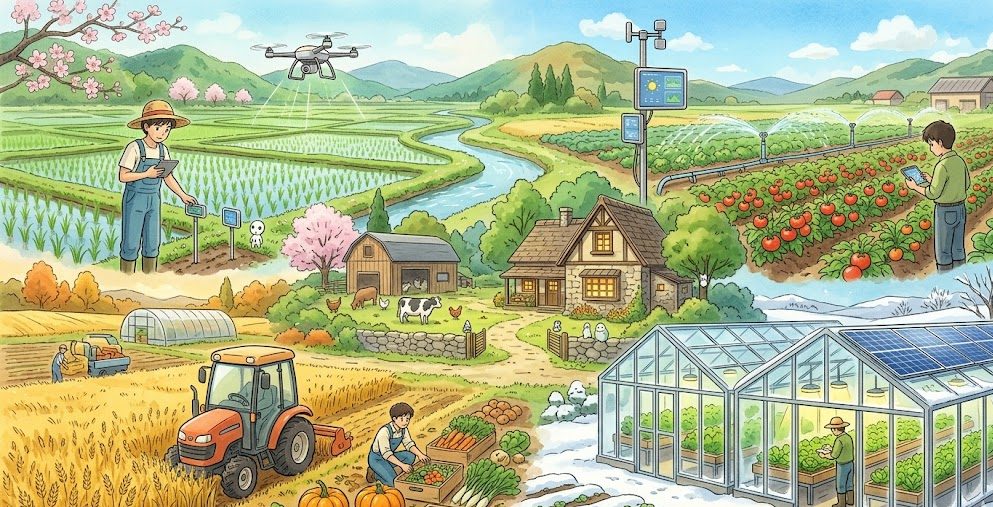
Agriculture is the backbone of civilization, and its success is deeply rooted in the mastery of seasonal cycles. Whether you are a small-scale gardener or an aspiring commercial farmer, understanding the nuances of Rainy (Kharif), Winter (Rabi), and Summer (Zaid) seasons is the key to maximizing yields, ensuring food security, and achieving profitability.
Nature follows a rhythmic pattern, and aligning your farming practices with these rhythms is not just traditional wisdom—it is a scientific necessity for sustainable agriculture.
1. The Rainy Season (Kharif): The Monsoon Powerhouse
The Kharif season is synonymous with the arrival of the monsoon, typically spanning from June to October. This season is characterized by high humidity and substantial rainfall, making it the most critical period for major food grain production.
Key Characteristics
- Water Source: Primarily dependent on monsoon rainfall.
- Ideal Conditions: Crops in this season require hot and humid weather for germination and rapid growth.
- Major Crops: Rice, maize, pearl millet (bajra), pigeon pea (arhar), cotton, and soybean.
Best Practices for Kharif Farming
- Drainage Management: Excessive water is the biggest challenge during the monsoon. Ensure your fields have proper drainage channels to prevent waterlogging, which can cause root rot and fungal infections.
- Weed Control: High moisture levels promote aggressive weed growth. Early and frequent weeding is essential to prevent weeds from competing with your crops for essential nutrients.
- Disease Prevention: Humid conditions are breeding grounds for pathogens. Monitor crops regularly for signs of blight or mildew and implement preventative measures early.
2. The Winter Season (Rabi): The Irrigation-Dependent Cycle
Following the monsoon, the Rabi season (from October to April) brings cooler temperatures and drier conditions. This is the period of the “second crop,” and it contributes significantly to total food grain output, particularly for staple crops.
Key Characteristics
- Water Source: Primarily dependent on irrigation (canals, tube wells, and groundwater).
- Ideal Conditions: A cool, dry climate that is perfect for grain maturation.
- Major Crops: Wheat, barley, mustard, chickpea (gram), peas, and winter vegetables like potatoes and cauliflower.
Best Practices for Rabi Farming
- Precision Irrigation: Since you cannot rely on rainfall, efficient irrigation techniques like drip or sprinkler systems are highly recommended to optimize water usage and reduce labor costs.
- Soil Nutrient Management: Rabi crops often follow heavy-feeding Kharif crops. It is vital to perform a soil test before sowing to determine if you need to replenish nitrogen, phosphorus, or potassium levels.
- Mulching: Use organic mulch to retain soil moisture and regulate soil temperature, protecting sensitive root systems from extreme cold.
3. The Summer Season (Zaid): The Short-Duration Opportunity
The Zaid season is a brief but intense period falling between the Rabi and Kharif seasons, typically from March to June. It is a short-duration cycle focused on quick-growing crops that thrive in intense heat.
Key Characteristics
- Water Source: Fully irrigation-dependent.
- Ideal Conditions: High temperatures and long daylight hours.
- Major Crops: Cucurbits (watermelon, muskmelon, cucumber, pumpkin), moong dal (green gram), and fodder crops.
Best Practices for Zaid Farming
- Water Conservation: Evaporation rates are extremely high in summer. Use mulching and early-morning or late-evening irrigation to minimize water loss.
- Heat-Resistant Varieties: Select crop varieties specifically bred for heat tolerance to ensure that your harvest does not succumb to thermal stress.
- Market Planning: Because Zaid crops mature quickly, they are perfect for filling the market gap, often fetching premium prices. Research local demand before you plant to ensure you grow what the market needs.
Sustainable Success: Universal Tips for Every Season
Regardless of the season, certain agricultural principles remain constant. Implementing these will help you stay ahead of the curve:
| Practice | Why it Matters |
|---|---|
| Crop Rotation | Prevents soil depletion and breaks pest/disease cycles. |
| Soil Testing | Provides a roadmap for accurate fertilization. |
| Integrated Pest Management (IPM) | Reduces reliance on harsh chemicals by using natural traps. |
| Record Keeping | Helps you track what works year-over-year. |
The Role of Technology
Modern agriculture is increasingly data-driven. Utilize weather forecasting tools to time your sowing and harvesting. Remote sensing and soil moisture sensors can provide real-time data, allowing you to react to environmental changes before they impact your yield.
Conclusion
Mastering seasonal agriculture is a blend of respecting ancient farming cycles and adopting modern, efficient management techniques. By understanding the unique requirements of the Rainy, Winter, and Summer seasons, you can transform your land into a resilient and productive ecosystem.
Remember, farming is not just about the harvest; it is about building a foundation of healthy soil, efficient water management, and climate-smart planning. Start small, track your results, and watch your agricultural venture flourish across all three seasons.
Are you currently planning your crop rotation for the upcoming season, and if so, what is your primary challenge—water management, soil health, or market selection?