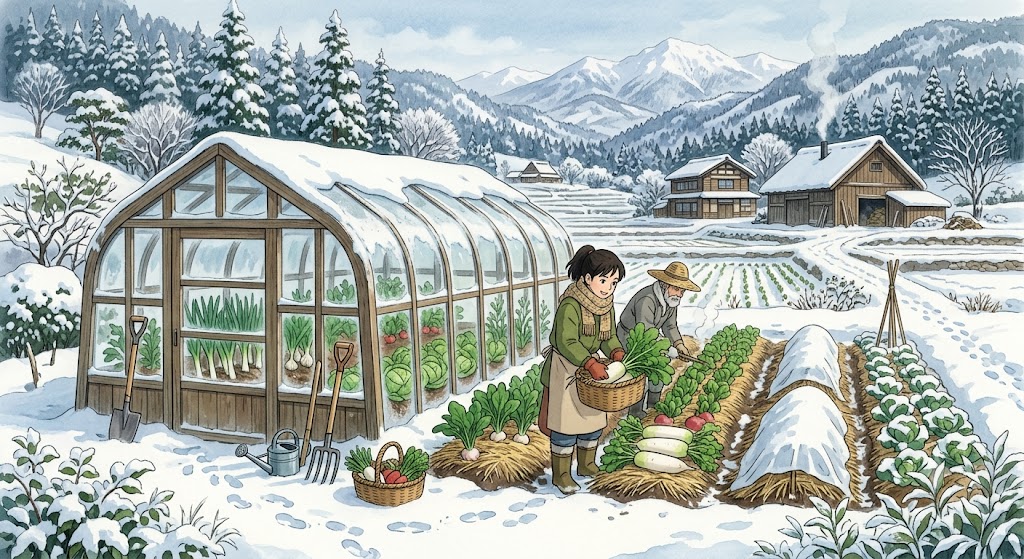
Winter is often viewed as a challenging season for agriculture, but with proper planning and management, it can be highly productive. While colder temperatures and shorter daylight hours can slow plant growth, many crops thrive in cool conditions and can provide excellent yields during the winter months. In fact, winter farming helps farmers make better use of their land year-round while supplying fresh produce when market availability is often lower.
Successful winter farming requires selecting suitable crops, preparing the soil properly, protecting plants from extreme weather, and managing water and nutrients effectively. Farmers who understand the unique requirements of winter agriculture can maintain productivity, improve soil health, and generate consistent income even during colder seasons.
This guide explores the essential practices and strategies needed for a healthy and productive winter harvest.
Why Winter Farming Is Important
Winter farming offers several advantages beyond simply extending the growing season.
Benefits of Winter Farming
- Year-round food production
- Additional farm income
- Better land utilization
- Reduced weed pressure
- Improved soil protection
- Diversified crop production
By keeping fields productive during winter, farmers can maximize the value of available resources while meeting consumer demand for fresh produce.
Understanding Winter Growing Conditions
Winter farming conditions vary by region, but common characteristics include:
- Lower temperatures
- Shorter daylight hours
- Slower plant growth
- Frost risks
- Reduced evaporation rates
These factors influence crop selection and management decisions throughout the season.
Understanding local weather patterns is essential for successful winter crop production.
Choosing the Right Winter Crops
Selecting cold-tolerant crops is one of the most important steps in winter farming.
Many vegetables actually perform better in cooler temperatures and may develop improved flavor after exposure to mild frost.
Popular Winter Crops
- Spinach
- Lettuce
- Kale
- Cabbage
- Broccoli
- Cauliflower
- Carrots
- Radishes
- Turnips
- Peas
These crops can tolerate cooler weather while maintaining strong growth and productivity.
Leafy Greens for Winter Production
Leafy vegetables are among the most reliable winter crops.
Best Winter Greens
- Spinach
- Kale
- Swiss chard
- Mustard greens
- Lettuce
Benefits
- Fast growth cycles
- High market demand
- Good cold tolerance
- Nutritional value
Many farmers harvest leafy greens continuously throughout the winter season.
Root Crops for Cold Weather Farming
Root vegetables are particularly well suited to winter cultivation.
Popular choices include:
- Carrots
- Beets
- Radishes
- Turnips
- Parsnips
Advantages
- Cold tolerance
- Good storage life
- Strong market demand
- Reliable yields
Some root crops may even develop sweeter flavors after exposure to cooler temperatures.
Soil Preparation Before Winter Planting
Healthy soil is the foundation of successful winter farming.
Soil Preparation Steps
- Remove weeds and crop residues
- Incorporate compost or organic matter
- Improve drainage if necessary
- Conduct soil testing
- Apply recommended nutrients
Proper soil preparation promotes healthy root development and stronger crop growth.
Improving Soil Health with Organic Matter
Organic matter helps protect and improve soil during winter.
Common sources include:
- Compost
- Well-rotted manure
- Cover crop residues
- Plant materials
Benefits
- Better moisture retention
- Improved soil structure
- Enhanced nutrient availability
- Increased microbial activity
Healthy soil supports stronger crops throughout the growing season.
Using Cover Crops During Winter
Cover crops play an important role in sustainable winter farming.
Popular winter cover crops include:
- Rye
- Clover
- Vetch
- Winter wheat
Benefits of Cover Cropping
- Prevents soil erosion
- Improves soil fertility
- Suppresses weeds
- Enhances soil structure
- Protects bare ground
Cover crops help maintain soil productivity even when fields are not producing commercial crops.
Protecting Crops from Frost
Frost is one of the biggest challenges in winter agriculture.
Frost Protection Methods
- Row covers
- Low tunnels
- Mulching
- Greenhouses
- Cold frames
These protective measures help reduce plant stress and improve crop survival during cold weather.
Mulching for Winter Crop Protection
Mulch serves as an insulating layer that protects both soil and crops.
Common mulch materials include:
- Straw
- Dry leaves
- Grass clippings
- Wood chips
Advantages of Mulching
- Temperature regulation
- Moisture conservation
- Weed suppression
- Soil protection
Mulching is one of the simplest and most effective winter farming practices.
Winter Irrigation Management
Although water requirements are often lower during winter, crops still need adequate moisture.
Best Practices
- Monitor soil moisture regularly
- Avoid waterlogging
- Irrigate during warmer parts of the day
- Ensure proper drainage
Balanced irrigation helps maintain healthy growth while preventing root problems.
Greenhouse and Protected Cultivation
Greenhouses allow farmers to extend production even in regions with harsh winters.
Benefits of Greenhouse Farming
- Controlled growing environment
- Frost protection
- Extended growing seasons
- Improved crop quality
- Increased productivity
Protected cultivation can significantly enhance winter farming success.
Managing Winter Pests and Diseases
Pest pressure is often lower during winter, but problems can still occur.
Common issues include:
- Aphids
- Fungal diseases
- Slugs
- Mildew
Prevention Strategies
- Maintain proper spacing
- Improve air circulation
- Monitor crops regularly
- Remove infected plant material
Early detection helps prevent serious outbreaks.
Fertilization During Winter
Winter crops require adequate nutrition to support healthy growth.
Nutrient Management Tips
- Base applications on soil tests
- Use compost and organic amendments
- Avoid excessive fertilization
- Monitor crop performance
Balanced nutrition contributes to better yields and crop quality.
Harvesting Winter Crops
Harvest timing depends on crop type and market requirements.
Harvesting Tips
- Harvest during dry conditions when possible
- Handle crops carefully
- Use clean harvesting tools
- Store produce properly after harvest
Proper harvesting practices help maintain freshness and market value.
Benefits of Winter Farming for Long-Term Sustainability
Winter farming provides advantages that extend beyond immediate crop production.
Long-Term Benefits
- Better soil health
- Reduced erosion
- Improved resource utilization
- Additional income opportunities
- Greater farm resilience
Maintaining productive fields during winter helps strengthen overall farm performance.
Common Winter Farming Challenges
Farmers may encounter several obstacles during winter production.
These include:
- Frost damage
- Reduced daylight hours
- Slow plant growth
- Excess moisture
- Cold stress
Planning ahead and using protective measures can help minimize these risks.
Tips for a Successful Winter Harvest
To improve winter farming results:
- Select cold-tolerant crops
- Prepare soil thoroughly
- Use mulch and row covers
- Monitor weather forecasts
- Maintain proper irrigation
- Practice regular crop inspections
These simple steps can significantly improve crop performance and productivity.
Frequently Asked Questions
1. What crops grow best during winter?
Spinach, kale, cabbage, broccoli, cauliflower, carrots, radishes, and turnips are among the most popular winter crops.
2. How can farmers protect crops from frost?
Row covers, mulching, greenhouses, cold frames, and low tunnels are effective frost protection methods.
3. Do winter crops require irrigation?
Yes. Although water requirements are generally lower, winter crops still need adequate moisture for healthy growth.
4. Why are cover crops important in winter?
Cover crops protect soil from erosion, improve fertility, suppress weeds, and enhance soil health.
5. Can winter farming be profitable?
Yes. Winter farming can generate additional income, improve land utilization, and supply fresh produce when market availability is often limited.
Conclusion
Winter farming offers valuable opportunities for farmers willing to adapt to seasonal conditions. By selecting suitable crops, preparing soil carefully, protecting plants from frost, and maintaining proper water and nutrient management, growers can achieve healthy and productive harvests even during colder months.
In addition to providing fresh produce and additional income, winter farming contributes to improved soil health, reduced erosion, and greater farm sustainability. With thoughtful planning and effective management practices, farmers can successfully extend their growing season and make the most of agricultural opportunities throughout the year.
Explore more helpful articles on our website for additional farming guides, seasonal crop strategies, and sustainable agriculture tips.