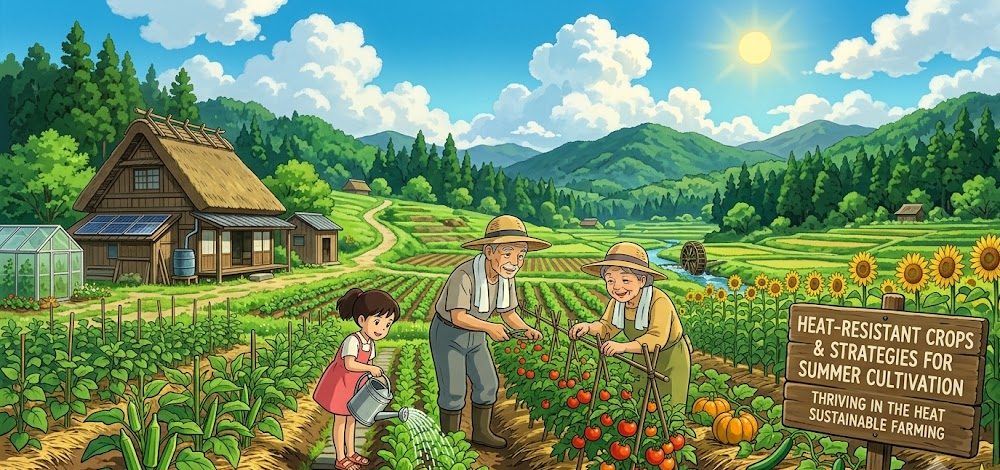
Summer presents both opportunities and challenges for farmers. Longer daylight hours and abundant sunlight can support strong crop growth, but excessive heat, water stress, and prolonged dry conditions can significantly affect productivity. In many agricultural regions, rising temperatures have increased the importance of selecting crops that can tolerate heat while implementing management practices that protect plants from environmental stress.
Heat-resistant crops and effective summer cultivation strategies allow farmers to maintain productivity even during periods of extreme temperatures. By choosing suitable varieties and adopting smart farming practices, growers can improve yields, conserve water, and reduce crop losses during the hottest months of the year.
This guide explores the best heat-tolerant crops and practical techniques for successful summer farming.
Understanding the Challenges of Summer Farming
High temperatures can affect crops in several ways.
Common challenges include:
- Increased water loss
- Reduced pollination success
- Heat stress
- Soil moisture depletion
- Reduced fruit quality
- Higher pest pressure
Extreme heat may slow plant growth, reduce yields, and increase production costs if proper management strategies are not implemented.
Understanding these challenges helps farmers prepare more effectively for summer cultivation.
Why Heat-Resistant Crops Matter
Heat-resistant crops are naturally adapted to warm growing conditions.
These crops often possess characteristics such as:
- Deep root systems
- Efficient water use
- Heat-tolerant physiology
- Strong drought resistance
- Rapid growth cycles
Benefits of growing heat-tolerant crops include:
- Improved survival rates
- Better yields during hot weather
- Reduced irrigation requirements
- Greater production stability
Selecting suitable crops is one of the most effective ways to improve summer farming success.
Factors to Consider Before Summer Planting
Before choosing crops, farmers should evaluate:
Local Climate Conditions
Consider:
- Average summer temperatures
- Rainfall patterns
- Humidity levels
- Length of the growing season
Water Availability
Reliable water access is critical during hot weather.
Soil Conditions
Healthy soils with good organic matter content retain moisture more effectively.
Market Demand
Choose crops that align with local market opportunities and consumer preferences.
Careful planning improves both productivity and profitability.
Best Heat-Resistant Vegetable Crops
Several vegetables perform exceptionally well in high temperatures.
Okra
Okra is one of the most heat-tolerant vegetables available.
Advantages include:
- Excellent drought tolerance
- Strong productivity in hot climates
- Continuous harvest potential
Eggplant
Eggplants thrive under warm conditions and maintain productivity throughout summer.
Peppers
Many pepper varieties tolerate heat well and continue producing under high temperatures.
Sweet Potatoes
Sweet potatoes grow successfully in warm weather and require relatively low maintenance.
Cowpeas
Cowpeas are highly drought-resistant and provide both food and soil fertility benefits.
These vegetables are excellent choices for summer cultivation.
Heat-Tolerant Fruit Crops
Several fruit crops perform well during warm growing conditions.
Examples include:
Watermelon
Requires abundant sunlight and warm temperatures for successful production.
Muskmelon
Performs best in hot climates with good drainage.
Papaya
Thrives in tropical and subtropical environments.
Pomegranate
Known for its ability to tolerate drought and high temperatures.
These fruits often produce strong yields when managed properly during summer.
Drought-Resistant Grain Crops
Many grain crops are naturally adapted to dry and hot environments.
Examples include:
Sorghum
One of the most drought-tolerant cereal crops.
Millet
Performs well under limited rainfall conditions.
Maize (Certain Varieties)
Heat-tolerant hybrids can maintain productivity during warm weather.
These crops are valuable options for regions with frequent summer droughts.
Improve Soil Health Before Planting
Healthy soil helps crops withstand heat stress more effectively.
Soil improvement practices include:
- Compost application
- Organic matter incorporation
- Cover cropping
- Reduced tillage
Benefits include:
- Better water retention
- Improved root development
- Enhanced nutrient availability
Healthy soil serves as a natural defense against extreme weather conditions.
Mulching for Moisture Conservation
Mulching is one of the most effective summer farming techniques.
Common mulch materials include:
- Straw
- Dry leaves
- Grass clippings
- Crop residues
Benefits include:
- Reduced evaporation
- Lower soil temperatures
- Weed suppression
- Improved moisture retention
Mulching helps maintain favorable growing conditions during hot weather.
Efficient Irrigation Management
Water management is critical during summer cultivation.
Recommended practices include:
Drip Irrigation
Provides water directly to plant roots while minimizing waste.
Early Morning Watering
Reduces evaporation losses and improves water efficiency.
Soil Moisture Monitoring
Helps farmers irrigate only when necessary.
Efficient irrigation reduces water costs and improves crop performance.
Use Shade Management Techniques
Some crops benefit from temporary shade protection during extreme heat.
Options include:
- Shade nets
- Agroforestry systems
- Temporary covers
Shade management can reduce plant stress and improve overall crop quality.
This is especially useful for sensitive vegetable crops.
Select Heat-Tolerant Varieties
Many modern crop varieties have been developed specifically for hot climates.
Benefits include:
- Improved heat tolerance
- Better drought resistance
- Enhanced productivity
- Reduced stress sensitivity
Farmers should consult local agricultural experts when selecting varieties suited to regional conditions.
Adjust Planting Dates Strategically
Proper timing helps crops avoid the most stressful periods of the season.
Planting schedules should consider:
- Temperature forecasts
- Rainfall patterns
- Crop maturity periods
Strategic planting often improves establishment and final yields.
Manage Weeds Effectively
Weeds compete with crops for water and nutrients.
During summer, this competition can become particularly damaging.
Effective weed management includes:
- Mulching
- Mechanical cultivation
- Cover crops
- Timely removal
Reducing weed pressure helps crops utilize available resources more efficiently.
Monitor Pest and Disease Activity
Warm temperatures can increase pest populations and disease risks.
Farmers should regularly inspect crops for:
- Insect damage
- Leaf discoloration
- Disease symptoms
- Growth abnormalities
Early intervention helps prevent significant yield losses.
Integrated Pest Management (IPM) strategies are especially valuable during summer production.
Integrated Farming Approaches
Diversified farming systems can improve resilience during hot weather.
Examples include:
- Crop-livestock integration
- Agroforestry systems
- Mixed cropping
These systems improve resource efficiency and reduce environmental stress.
Integrated approaches often strengthen long-term farm sustainability.
Building a Successful Summer Cultivation Plan
A productive summer farming strategy may include:
- Selecting heat-resistant crops
- Improving soil health
- Conserving moisture through mulching
- Using efficient irrigation systems
- Monitoring crop health regularly
- Managing pests proactively
- Choosing suitable planting dates
Combining these practices creates stronger and more resilient cropping systems.
Future Considerations for Summer Farming
Climate change is increasing the frequency of extreme heat events in many regions.
Future farming strategies may focus on:
- Advanced drought-resistant varieties
- Smart irrigation technologies
- Climate-resilient production systems
- Precision agriculture tools
Adaptation will become increasingly important for maintaining productivity under changing environmental conditions.
Conclusion
Heat-resistant crops and effective summer cultivation strategies provide valuable solutions for maintaining agricultural productivity during hot weather conditions. By selecting suitable crop varieties, improving soil health, conserving water, managing pests, and implementing climate-smart farming practices, growers can achieve successful harvests even during challenging summer seasons.
As temperatures continue to rise in many agricultural regions, the ability to adapt and manage heat stress effectively will play a critical role in future farming success. Farmers who invest in resilient cropping systems today are better prepared to achieve consistent yields, improved profitability, and long-term sustainability in the years ahead.