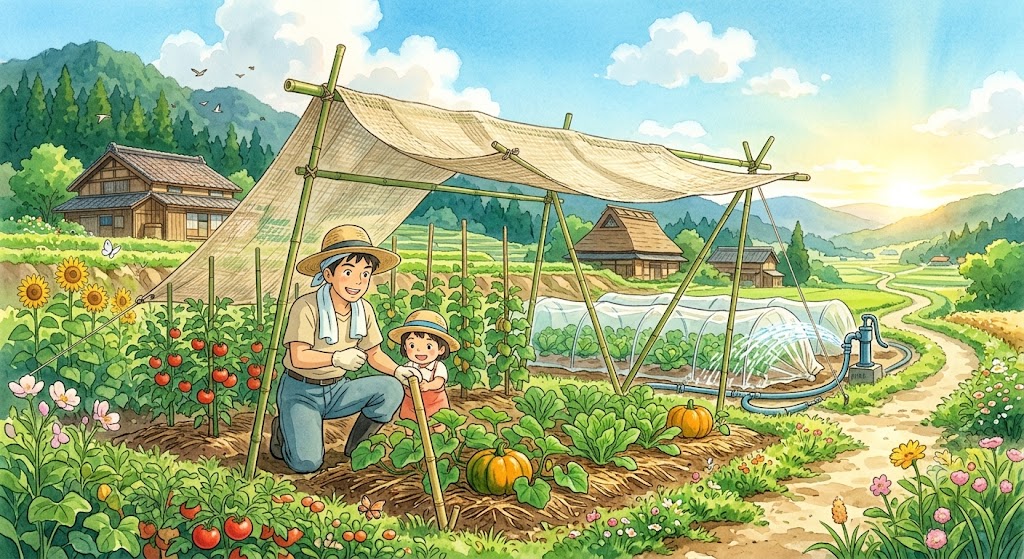
Extreme summer heat has become one of the biggest challenges facing modern agriculture. Rising temperatures, prolonged heatwaves, reduced rainfall, and increasing evaporation can place significant stress on crops, leading to lower yields and poor-quality harvests. Even healthy plants can suffer if they are exposed to excessive heat without proper protection.
Fortunately, farmers can reduce the impact of high temperatures by adopting practical farming techniques that improve soil moisture, protect plant roots, and create healthier growing conditions. Proper irrigation, mulching, crop selection, soil management, and timely field operations all play an important role in protecting crops during hot weather.
Whether you manage a small vegetable garden or a large commercial farm, understanding how heat affects crops and applying effective management practices can help maintain productivity throughout the summer season.
How Extreme Heat Affects Crops
Plants require sunlight for photosynthesis, but excessive heat can interfere with normal growth and development.
High temperatures may cause:
- Rapid moisture loss
- Wilting
- Flower drop
- Poor fruit development
- Reduced pollination
- Leaf scorching
- Nutrient imbalance
- Slow root growth
- Lower crop yields
Heat stress often becomes more severe when high temperatures are combined with drought or strong winds.
Recognizing these risks early allows farmers to take preventive action before significant crop damage occurs.
1. Choose Heat-Tolerant Crop Varieties
The first step in protecting crops is selecting varieties that are naturally adapted to high temperatures.
Many improved crop varieties have been developed to tolerate:
- Heat stress
- Drought
- Water shortages
- Intense sunlight
Consult local agricultural experts or certified seed suppliers for varieties recommended for your region.
Heat-tolerant plants generally maintain better growth and produce higher yields under hot conditions.
2. Improve Soil Organic Matter
Healthy soil acts like a natural water reservoir.
Adding organic matter improves:
- Moisture retention
- Soil structure
- Root development
- Nutrient availability
- Beneficial microbial activity
Useful organic materials include:
- Compost
- Farmyard manure
- Vermicompost
- Green manure
- Crop residues
Soils rich in organic matter lose moisture more slowly during periods of extreme heat.
3. Apply Mulch Around Crops
Mulching is one of the most effective methods for reducing heat stress.
Organic mulch materials include:
- Straw
- Dry grass
- Leaves
- Wood chips
- Sugarcane trash
- Crop residues
Mulch helps by:
- Conserving soil moisture
- Lowering soil temperature
- Reducing evaporation
- Suppressing weeds
- Improving soil fertility
It also protects the soil surface from direct sunlight.
4. Use Efficient Irrigation Methods
Water management becomes critical during hot weather.
Instead of applying large amounts of water occasionally, farmers should irrigate according to crop requirements.
Efficient irrigation systems include:
- Drip irrigation
- Micro-sprinklers
- Controlled sprinkler systems
These methods reduce water loss while delivering moisture directly to the root zone.
Avoid unnecessary runoff and excessive evaporation.
5. Irrigate at the Right Time
The timing of irrigation is just as important as the amount of water applied.
The best times are:
- Early morning
- Late evening
These cooler periods reduce evaporation and allow plants to absorb moisture more efficiently.
Avoid irrigating during the hottest part of the day whenever possible.
6. Maintain Proper Plant Spacing
Overcrowded crops compete for:
- Water
- Nutrients
- Sunlight
- Air circulation
Proper spacing improves airflow and allows roots to access available moisture more effectively.
Healthy air circulation also reduces disease pressure.
7. Reduce Soil Moisture Loss
Moisture conservation should be a priority throughout summer.
Farmers can reduce water loss by:
- Applying mulch
- Reducing unnecessary tillage
- Eliminating weeds
- Improving soil organic matter
- Using cover crops
These practices help maintain consistent soil moisture for longer periods.
8. Control Weeds Promptly
Weeds consume valuable water needed by crops.
During summer they grow rapidly and compete aggressively.
Regular weed control:
- Conserves soil moisture
- Improves nutrient availability
- Reduces pest habitat
- Increases crop growth
Mechanical cultivation and mulching are effective weed management options.
9. Protect Soil Structure
Compacted soil limits root development and reduces water infiltration.
Avoid unnecessary machinery traffic during hot weather.
Healthy soil structure allows:
- Better root growth
- Improved drainage
- Increased water storage
- Greater drought resistance
Adding organic matter further improves soil quality.
10. Monitor Soil Moisture
Do not rely only on visual observation.
Regularly monitor soil moisture using:
- Soil moisture sensors
- Hand sampling
- Simple field tests
Irrigate only when necessary.
Overwatering wastes water while underwatering increases heat stress.
Balanced irrigation supports healthier plants.
11. Apply Balanced Fertilizers
Proper nutrition strengthens crops against environmental stress.
Healthy plants tolerate heat better than nutrient-deficient crops.
Use balanced fertilizers based on soil test recommendations.
Essential nutrients include:
- Nitrogen
- Phosphorus
- Potassium
- Calcium
- Magnesium
- Sulfur
- Micronutrients
Avoid excessive nitrogen because it may encourage weak, overly lush growth during extreme heat.
12. Install Shade Protection for Sensitive Crops
Some high-value vegetables benefit from temporary shade during extremely hot periods.
Shade structures may reduce:
- Leaf scorching
- Flower drop
- Fruit damage
- Excessive water loss
Nurseries and young vegetable crops particularly benefit from partial shading.
13. Monitor Pests and Diseases
Heat-stressed plants often become more vulnerable to insects and diseases.
Regular field inspections help identify:
- Aphids
- Whiteflies
- Spider mites
- Caterpillars
- Leaf diseases
Integrated Pest Management allows farmers to respond quickly while minimizing unnecessary pesticide use.
14. Practice Crop Rotation
Healthy soils support healthier crops.
Crop rotation helps:
- Improve nutrient balance
- Reduce disease pressure
- Increase organic matter
- Support beneficial soil organisms
Legume crops also contribute nitrogen naturally.
Better soil health improves drought resilience.
15. Use Windbreaks
Strong hot winds accelerate moisture loss.
Trees, shrubs, or specially designed windbreaks reduce wind speed around crop fields.
Benefits include:
- Reduced evaporation
- Less soil erosion
- Improved crop protection
- Better moisture conservation
Windbreaks also support biodiversity.
16. Harvest at the Right Time
Extreme heat may reduce crop quality if harvesting is delayed.
Harvest during:
- Early morning
- Late afternoon
Cooler temperatures reduce moisture loss and preserve product quality.
Prompt harvesting also prevents sun damage in many fruits and vegetables.
17. Keep Farm Records
Documenting weather conditions helps improve future planning.
Record:
- Temperature
- Rainfall
- Irrigation schedules
- Crop performance
- Pest activity
- Harvest yields
Analyzing previous seasons helps farmers identify successful heat management practices.
Benefits of Proper Heat Management
Protecting crops from extreme temperatures offers many long-term advantages.
Benefits include:
- Higher crop yields
- Better fruit quality
- Reduced water consumption
- Stronger root systems
- Improved nutrient efficiency
- Lower production costs
- Reduced crop losses
- Better soil health
- Greater farm profitability
- Improved climate resilience
Healthy crops recover more quickly from periods of environmental stress.
Common Mistakes to Avoid
Many farmers unintentionally increase heat damage through poor management.
Common mistakes include:
- Delayed irrigation
- Overwatering
- Poor drainage
- Ignoring soil health
- Excessive fertilizer application
- Allowing weeds to compete for moisture
- Planting unsuitable crop varieties
- Delayed pest control
Avoiding these mistakes significantly improves crop performance during summer.
Frequently Asked Questions
Why do crops wilt during extreme heat?
High temperatures increase water loss through transpiration. When roots cannot absorb water quickly enough, plants wilt to reduce moisture loss.
Is drip irrigation better during summer?
Yes. Drip irrigation delivers water directly to the root zone, reducing evaporation and improving water-use efficiency.
Does mulch really reduce heat stress?
Yes. Mulch lowers soil temperature, conserves moisture, suppresses weeds, and improves soil health, making it one of the most effective summer farming practices.
Which crops tolerate high temperatures best?
Crops such as sorghum, pearl millet, sunflower, cowpea, okra, and certain improved maize varieties generally tolerate heat better than many cool-season crops.
Can healthy soil help crops survive heatwaves?
Absolutely. Soil rich in organic matter stores more moisture, improves root development, and supports healthier plants that can better withstand periods of extreme heat.
Conclusion
Extreme summer heat can significantly reduce crop productivity, but careful planning and proper farm management can greatly minimize its impact. Choosing heat-tolerant crop varieties, improving soil organic matter, applying mulch, using efficient irrigation, maintaining balanced nutrition, controlling weeds, and monitoring crop health all contribute to stronger plants and better harvests. These practices not only protect crops during periods of high temperatures but also improve long-term soil health and resource efficiency.
As climate conditions continue to become more unpredictable, adopting sustainable heat-management strategies will be increasingly important for farmers. By preparing fields before temperatures rise and responding quickly to signs of heat stress, growers can safeguard their crops, improve yields, and maintain profitable agricultural production throughout the summer season.